


 Let Us Call You


Pimples are a common dermatological condition, clinically referred to as acne vulgaris, that develops as a result of clogged hair follicles, inflammation, and the accumulation of sebum. Most individuals encounter this condition at some point in their lives, particularly during adolescence. It occurs when skin pores become obstructed by dead skin cells, oil, and bacteria. Acne is most frequently observed on the face, back, and shoulders. With an appropriate and consistent skincare routine, the formation of acne can be reduced.
Key Takeaways
- Acne is a common skin condition that develops when pores become clogged with oil, dead skin cells, and bacteria.
- In addition to non-inflammatory forms such as blackheads and whiteheads, acne may also present with more painful inflammatory lesions, including papules, pustules, nodules, and cysts.
- Hormonal fluctuations, genetic predisposition, certain medications, and mechanical pressure applied to the skin can all act as triggering factors in the development of acne.
What Are Pimples?
Pimples are small, inflamed bumps on the skin caused when hair follicles become plugged with dead skin cells and sebum, which is the skin's natural oil. This common skin condition is known medically as acne vulgaris and typically presents as whiteheads, blackheads, or larger, tender lesions. The process begins when the body produces too much sebum, leading to a clog that can become infected with the Propionibacterium acnes bacteria, resulting in swelling and redness.
Types of Pimples
Understanding the various types of pimples is crucial for choosing the right skincare and medical approach, as they fall into two main categories: non-inflammatory and inflammatory. Non-inflammatory blemishes include:
- Blackheads (open clogged pores)
- Whiteheads (closed, flesh-colored bumps)
Inflammatory lesions, which are usually more painful, include:
- Papules (small, red, tender bumps)
- Pustules (papules with pus at their tips)
- Nodules (large, solid, painful lumps deep under the skin)
- Cysts (painful, pus-filled lumps that can cause scarring)
What Causes Pimples (Acne)?
The primary cause of acne involves a combination of excess oil production, dead skin cells, and bacteria. The condition is triggered by several internal and external factors:
- Hormonal Fluctuations: Rising androgen levels during puberty stimulate the sebaceous glands to enlarge and produce more sebum. Hormonal changes related to the menstrual cycle or pregnancy can also trigger breakouts.
- Medications: Certain drugs, particularly corticosteroids, lithium, or some anticonvulsants, are known to contribute to acne development.
- Friction and Pressure: Repeated pressure, rubbing, or friction on the skin (e.g., from helmets, backpack straps, or tight clothing) can cause a type of breakout known as acne mechanica.
- Genetics: If your parents had acne, you are more likely to develop it.
Acne (Pimples) Treatment
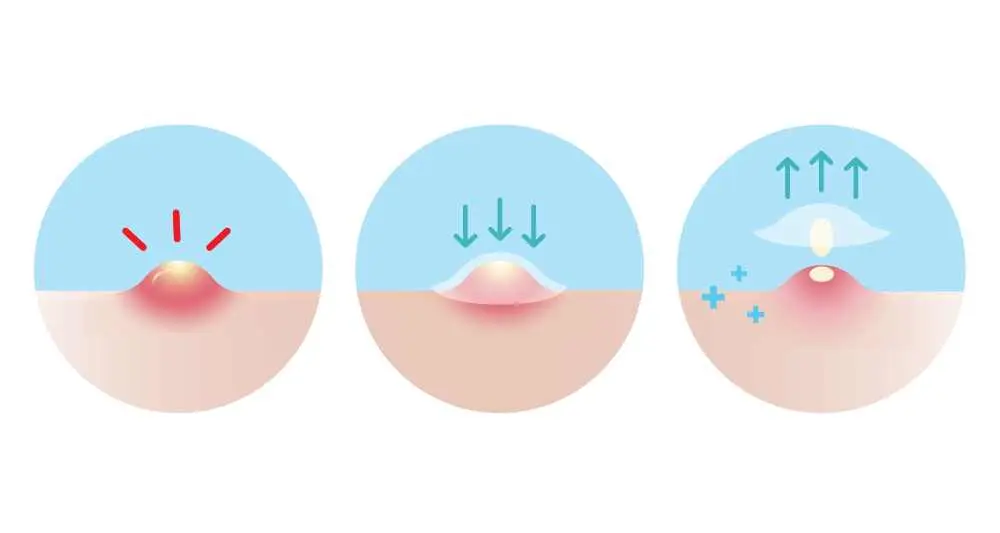
Effective acne treatment options range from gentle, over-the-counter products to prescription-strength oral and topical medications. The goal of treatment is generally to reduce oil production, increase cell turnover to prevent blockages, and control bacterial infection and inflammation.
Common over-the-counter topical ingredients include benzoyl peroxide and salicylic acid, while dermatologists often prescribe retinoids, topical or oral antibiotics, or hormonal therapies for more moderate to severe cases.
How to Treat Pimples
You can treat mild pimples with non-prescription topical products that contain benzoyl peroxide or salicylic acid to help reduce oil and unclog pores. For deeper or persistent pimples, a healthcare provider may prescribe stronger retinoids, antibiotics to eliminate bacteria, or oral medication to regulate hormones. Always remember that any regimen requires consistency and may take several weeks or months to show a significant improvement.
This content is for informational purposes only and is not a substitute for medical advice. If you’re experiencing any of these symptoms, please contact us for professional help.
Which medical department should be consulted for acne?
For skin conditions such as acne, individuals should seek care from the Department of Dermatology. The diagnosis and treatment of these conditions are carried out within this medical specialty.


