


 Let Us Call You


Epilepsy is a chronic neurological disorder characterized by recurrent, unprovoked seizures that result from abnormal electrical activity in the brain. This condition affects people of all ages and can impact various aspects of daily life, including safety, employment, and social interactions. Because the brain controls every function of the body, the manifestations of this disorder can vary widely depending on which part of the brain is affected. Modern medicine offers various ways to manage the condition, allowing many individuals to lead full and productive lives.
What is Epilepsy Disease?
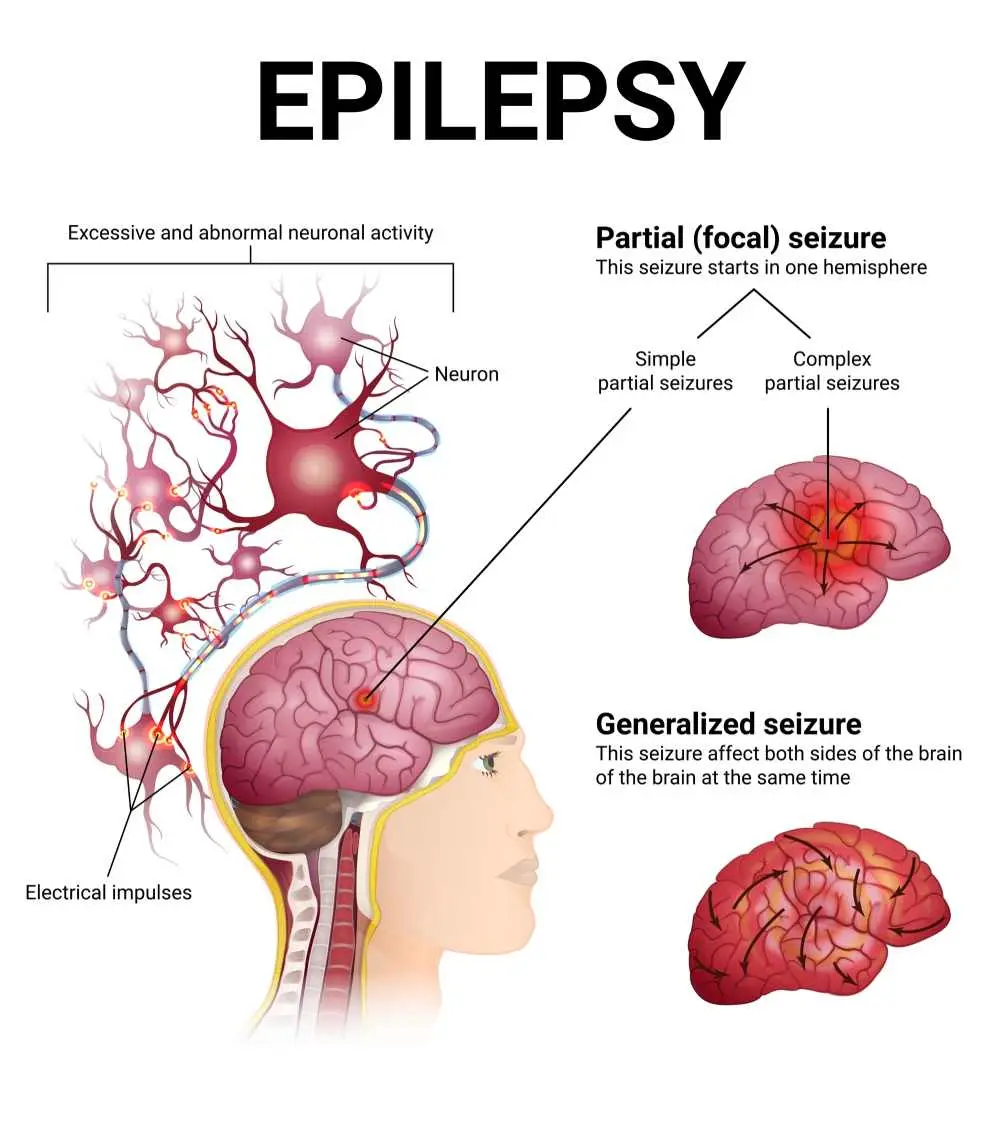
Epilepsy definition refers to a central nervous system disorder where brain activity becomes irregular, causing seizures or periods of unusual behavior, sensations, and sometimes loss of awareness. It is not a single disease but rather a spectrum of disorders with many possible causes and varying degrees of severity. To be diagnosed, an individual typically requires at least two unprovoked seizures occurring more than 24 hours apart.
What is seizures ın epilepsy?
In the context of this condition, epilepsy behavior during a seizure can range from a simple blank stare for a few seconds to full-body convulsions and rhythmic jerking of the limbs. These episodes occur because a burst of electrical energy disrupts the normal communication between neurons. While some people may experience a specific sensation or "aura" before an event, others have no warning at all before the seizure begins.
Epilepsy Causes
Specific epilepsy causes can range from genetic influences and head trauma to brain abnormalities. In many cases, roughly half of those with the condition have no identifiable cause, a category often referred to as idiopathic.
Common causes and risk factors include:
- Genetic Influence: Certain types of epilepsy run in families, suggesting a linked genetic factor.
- Head Trauma: Brain injuries resulting from car accidents, falls, or other traumatic impacts.
- Brain Abnormalities: Structural issues such as brain tumors, cysts, or vascular malformations.
- Stroke and Vascular Diseases: Stroke is a leading cause of epilepsy in adults over age 35 as it restricts blood flow to the brain.
- Infectious Diseases: Conditions like meningitis, HIV, viral encephalitis, and some parasitic infections.
- Prenatal Injury: Brain damage occurring before birth due to infection, poor nutrition, or oxygen deficiencies.
- Developmental Disorders: Strong associations exist between epilepsy and disorders like autism or neurofibromatosis.
Epilepsy Symptoms
The variety of epilepsy symptoms depends on the type of seizure, but common indicators include temporary confusion, staring spells, and uncontrollable jerking movements of the arms and legs. Because symptoms vary based on which part of the brain is involved, they are generally categorized as follows:
- Staring spells
- Uncontrollable movements
- Temporary confusion
- Loss of consciousness
- Psychological symptoms
- Sensory changes
Signs of Epilepsy
A common epilepsy warning sign often includes a sudden change in sensory perception, such as smelling a strange odor or feeling a "rising" sensation in the stomach. These signs, sometimes called "auras," act as an early indicator before a larger seizure occurs.
The most recognizable signs include:
- Sensory Aura: Sudden, unexplained changes in smell, taste, or vision.
- Automatisms: Repetitive, unconscious movements like lip-smacking, swallowing, or rubbing the hands together.
- Stomach Sensations: A distinct "rising" feeling or butterflies in the stomach.
- Behavioral Changes: Unexplained periods of non-responsiveness or staring into space.
- Sudden Muscle Loss: Unexpectedly dropping objects or falling due to a sudden loss of muscle tone.
- Altered Consciousness: Repeatedly losing track of time or experiencing frequent "blackouts."
Epilepsy Types
There are several epilepsy syndromes and types, often classified by where the seizure activity begins in the brain and how it affects the person. Temporal lobe epilepsy is the most common form of focal epilepsy, often beginning in childhood or adolescence and involving the area of the brain responsible for emotions and short-term memory. Other types include generalized epilepsy, which affects both sides of the brain simultaneously, and absence seizures, which are more common in children.
Epilepsy Diagnostic Methods
The Epilepsy Diagnostic process involves a thorough review of the patient's medical history followed by tests like an Electroencephalogram (EEG) to record electrical patterns. To identify structural issues, epilepsy radiology plays a crucial role in providing detailed images of the brain's anatomy. Specifically, an epilepsy mri is the preferred imaging tool to look for scars, tumors, or malformations that might be triggering the electrical disruptions.
Epilepsy Treatment
Most epilepsy treatment plans focus on the use of anti-seizure medications to eliminate or reduce the frequency of episodes. While many patients respond well to the first or second medication tried, others may explore epilepsy currents through neuromodulation techniques like Vagus Nerve Stimulation (VNS). In cases where medication is ineffective, specialized diets like the ketogenic diet or surgical interventions to remove the seizure-producing area of the brain may be considered.
Which medical department should be consulted for Epilepsy?
Patients should consult the Neurology department, where specialists can perform the necessary tests and develop a customized management plan for seizure control.


