


 Let Us Call You


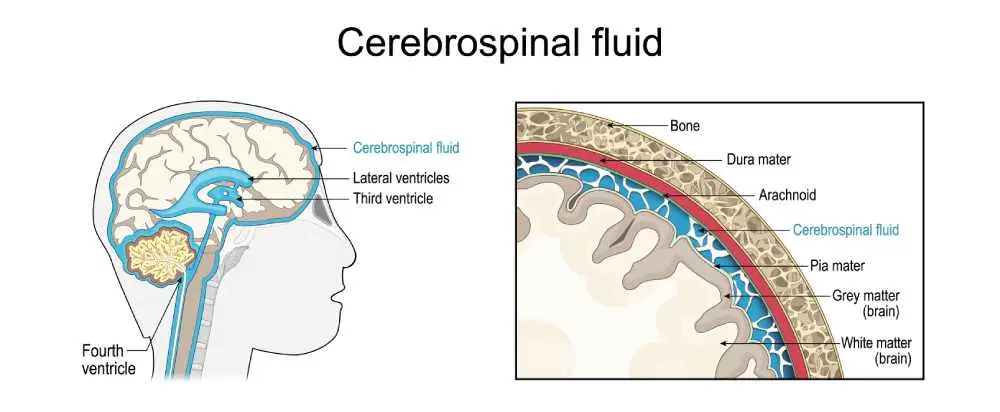
Cerebrospinal fluid leak (CSF leak) occurs when a tear or hole forms in the dura mater the tough, outermost layer of the protective membrane (meninges) surrounding the brain and spinal cord allowing the clear fluid that cushions the central nervous system to escape. This condition, which often leads to severe, positional headaches, compromises the brains crucial protective buffer and, if untreated, poses a significant risk of infection.
What is a Cerebrospinal Fluid (CSF) Leak?
A cerebrospinal fluid (CSF) leak refers to the leakage of the fluid that surrounds and protects the brain and spinal cord from its normal location. This leakage occurs as a result of a tear or defect, allowing the fluid to escape. One of the most common symptoms is headache. Depending on whether the tear is closer to the brain or the spinal cord, additional symptoms may also be observed in the body.
Cerebrospinal fluid (CSF) functions as a cushioning medium for the brain and spinal cord. Excessive loss of this fluid can be dangerous for the individual, potentially leading to brain injury or infections.
What are the Symptoms of a CSF leak?
Recognizing the symptoms of a CSF leak is key to prompt diagnosis, though the presentation of the condition differs depending on whether the leak is cranial or spinal.
Spinal CSF Leaks
Symptoms of spinal csf leaks are typically caused by reduced pressure (intracranial hypotension) when standing or sitting.
- Positional Headaches: Pain that dramatically worsens within minutes of sitting or standing up and improves rapidly when lying flat.
- Neck pain and stiffness
- Nausea and vomiting
- Tinnitus (ringing in the ears) or muffled hearing
- Dizziness or imbalance (brain fog)
Cranial CSF Leaks
Symptoms of cranial csf leaks are typically related to the fluid draining from the head into the surrounding cavities.
- Clear, watery drainage from one side of the nose (rhinorrhea)
- Clear fluid draining from the ear (otorrhea)
- Salty or metallic taste in the mouth
CSF Leak Causes
Cranial CSF leak often results from trauma or surgery that creates a breach in the skull base, although spontaneous leaks can also occur. The loss of the cushioning fluid that aids in Cerebrospinal fluid movement can be triggered by various factors that compromise the protective dura mater.
- Trauma: Head or spine injuries, falls, or severe whiplash.
- Iatrogenic (Procedure-Related): Complications following procedures like spinal surgery, brain surgery, epidural anesthesia, or lumbar punctures (spinal taps).
- High Pressure: Conditions like Idiopathic Intracranial Hypertension (IIH) can weaken the skull base, leading to spontaneous leaks.
- Connective Tissue Disorders: Conditions such as Marfan or Ehlers-Danlos syndromes that compromise the strength of the dura mater.
- Bone Spurs: Calcified spinal discs or bone spurs that erode the dura.
CSF Leak How To Diagnose?
The proper diagnosis often requires advanced imaging and specialized laboratory analysis to confirm the presence of CSF and pinpoint the exact location of the tear.
- Fluid Analysis: Laboratory testing of any nasal or ear discharge to confirm the presence of beta-2 transferrin, a protein found almost exclusively in cerebrospinal fluid analysis.
- Brain Imaging: CSF leak mri of the brain and entire spine to look for signs of low pressure, such as brain sagging or fluid collections outside the dura.
- CT Myelography: Injecting a contrast dye into the spine followed by a CT scan to visualize the exact site of the leak in the dura.
- Digital Subtraction Myelography (DSM): A dynamic imaging study used to capture the rapid flow of the leak.
- Intrathecal Fluorescein Study: Injecting a fluorescent dye into the CSF to confirm the leak during an endoscopic procedure.
CSF Leak Treatment
Initial csf leak treatment is often conservative, focused on encouraging the tear in the dura to heal naturally by managing intracranial pressure. This conservative approach is attempted first for many leaks, especially those resulting from a minor procedure. The regimen includes mandatory and strict bed rest, where the patient must lie flat for several days to reduce the gravitational pull on the dura and allow the leak site to heal effectively.
Additionally, managing hydration and increasing caffeine intake may be employed, as caffeine can stimulate CSF production and alleviate the symptoms of low intracranial pressure. Anti-inflammatory medications are used primarily to manage the associated pain and inflammation until the dura can spontaneously seal.
CSF Leak Surgery
If conservative management fails, csf leak surgery or minimally invasive procedures are required to seal the breach and restore normal fluid pressure. Repair techniques often utilize grafts and specialized patches. The success of the procedure depends on accurately locating the leak site and permanently sealing it to normalize Cerebrospinal fluid circulation.
A common minimally invasive technique is the Epidural Blood Patch (EBP), where the patient's own blood is injected into the epidural space near the leak site, forming a clot that acts as a patch over the dural tear. This can be enhanced by injecting Fibrin Glue, a tissue sealant, which is often guided by CT imaging for precise placement.
For cranial leaks, an Endoscopic Repair may be performed through the nose or ear to patch the hole with tissue taken from the patient. In cases unresponsive to patches, a neurosurgeon may perform a Direct Surgical Repair to expose the dura and suture the tear, reinforcing it with a durable dural graft.
Which department should be consulted for Cerebrospinal Fluid (CSF) Leakage?
For cerebrospinal fluid (CSF) leakage, the neurology department is the appropriate specialty to consult. This department is responsible for the evaluation of the brain, spinal cord, and nervous system, as well as related disorders, and oversees the diagnostic, treatment, and follow-up processes.


