


 Let Us Call You


Alzheimer's Disease is a progressive neurological disorder that causes the brain to shrink and brain cells to eventually die, leading to a continuous decline in thinking, behavioral, and social skills. It is a specific brain disease characterized by the accumulation of abnormal proteins that disrupt communication between neurons. As the condition advances, it interferes with a person's ability to function independently, making early recognition and professional support essential for managing the long-term challenges faced by patients and their families.
What is Alzheimer's Disease?
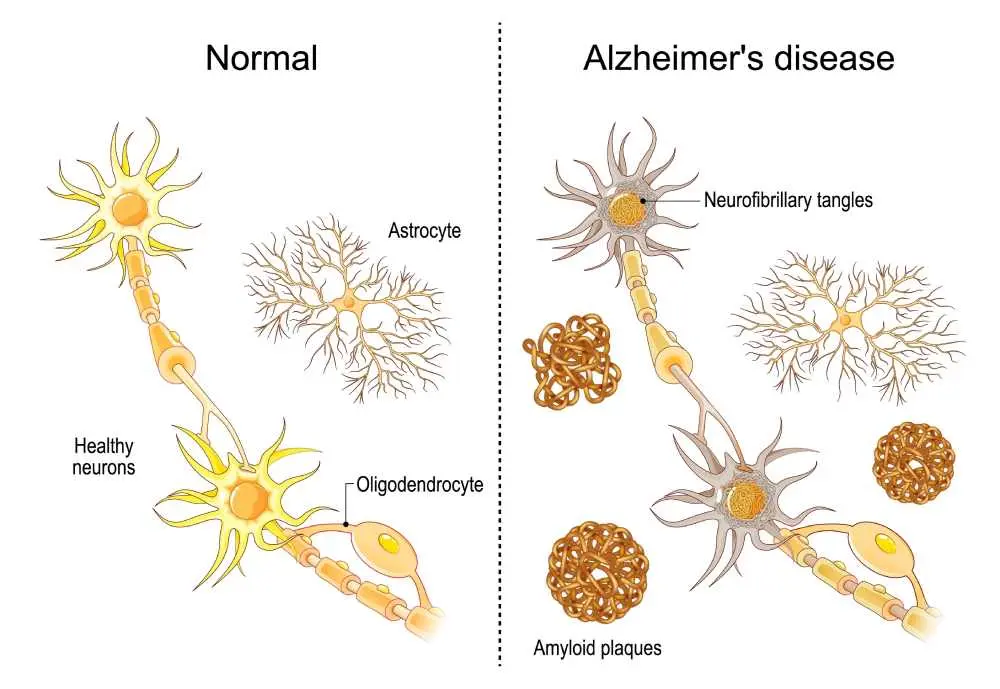
The alzheimer's disease meaning refers to a specific brain disease characterized by the buildup of amyloid plaques and neurofibrillary tangles that disrupt communication between nerve cells.
Unlike normal age-related forgetfulness, this condition is a degenerative process that destroys neurons in parts of the brain involved in memory, including the entorhinal cortex and hippocampus. Over time, the damage spreads to the cerebral cortex, which is responsible for language, reasoning, and social behavior.
What Causes Alzheimer's Disease?
Determining the precise Alzheimer's disease life expectancy and progression often depends on how early underlying causes begin to affect the brain. Scientists believe the disease stems from a combination of the following factors:
- Protein Accumulation: The buildup of amyloid plaques and tau tangles that disrupt cell communication.
- Genetic Factors: Specific genes, such as APOE-e4, that increase a person's risk.
- Brain Atrophy: Significant shrinking of brain tissue caused by the death of neurons.
- Environmental & Lifestyle Factors: Issues like lack of exercise, smoking, and poor sleep patterns over time.
Alzheimer's Disease Symptoms
Typical alzheimer's disease symptoms manifest as persistent memory loss that interferes with daily life. Common indicators include:
- Memory loss
- Disorientation
- Language struggles
- Misplacing ıtems
- Mood changes
Early Signs of Alzheimer's Disease
Identifying the early signs of alzheimer's disease is critical for planning future care and intervention. Watch for these subtle warning signs:
- Struggling to complete routine chores or drive to a familiar location.
- Making unusually bad decisions, such as neglecting personal hygiene or financial safety.
- Avoiding social activities, hobbies, or work projects once enjoyed.
- Forgetting where they are or how they got there.
- Trouble following a plan or working with numbers and sequences.
Diagnosing Alzheimer's Disease
A definitive Alzheimer's disease test does not exist in a single format; instead, doctors use a variety of tools including mental status testing, physical exams, and brain imaging to reach a diagnosis.
In clinical settings and insurance documentation, the alzheimer's disease icd 10 code (G30) is utilized to accurately categorize the condition and its associated behavioral disturbances. Physicians may also order blood tests to rule out other potential causes of memory loss, such as thyroid disorders or vitamin deficiencies.
Stages of Alzheimer's Disease
Throughout the various alzheimer's disease stages, the patient moves from mild forgetfulness to severe cognitive impairment as the condition progresses.
- Early Stage (Mild): The individual may still function independently but experiences frequent memory lapses, such as forgetting familiar words or the location of everyday objects.
- Middle Stage (Moderate): Typically the longest stage, where the patient requires more care; symptoms include increased confusion, frustration, difficulty performing routine tasks, and noticeable personality changes.
- Late Stage (Severe): In this final phase, individuals lose the ability to respond to their environment, carry on a conversation, and eventually, control physical movements.
- Total Dependency: As the brain significantly shrinks, around-the-clock professional care becomes necessary for all basic needs, including eating and personal hygiene.
Alzheimer's Disease Treatment
Currently, alzheimer's disease treatment focuses on managing symptoms and improving quality of life through medications such as cholinesterase inhibitors and memantine. While these drugs do not stop the underlying damage to brain cells, they can help stabilize or improve cognitive symptoms for a period of time.
Additionally, creating a supportive environment and establishing a routine can significantly reduce behavioral issues and help the patient maintain their independence for as long as possible.
Frequently Asked Questions About Alzheimer
What is the main cause of Alzheimer's?
The main cause is the abnormal buildup of proteins in and around brain cells, which is influenced by a combination of genetics, age, and lifestyle factors.
How does Alzheimer's affect daily life?
It impairs the ability to remember information, make decisions, communicate effectively, and eventually perform basic physical tasks like eating or dressing.
How to prevent alzheimer's disease?
While there is no guaranteed prevention, maintaining a heart-healthy diet, staying physically active, and engaging in social and mental stimulation may reduce the risk.
What is the main difference between Dementia and Alzheimer's?
Dementia is a general "umbrella" term used to describe symptoms of cognitive decline, whereas Alzheimer’s is a specific brain disease that serves as the most common cause of those symptoms.
Which medical department should be consulted for Alzheimer's Disease?
Patients should consult the Neurology or Geriatrics department for specialized evaluation, diagnosis, and long-term management of cognitive disorders.


