


 Let Us Call You


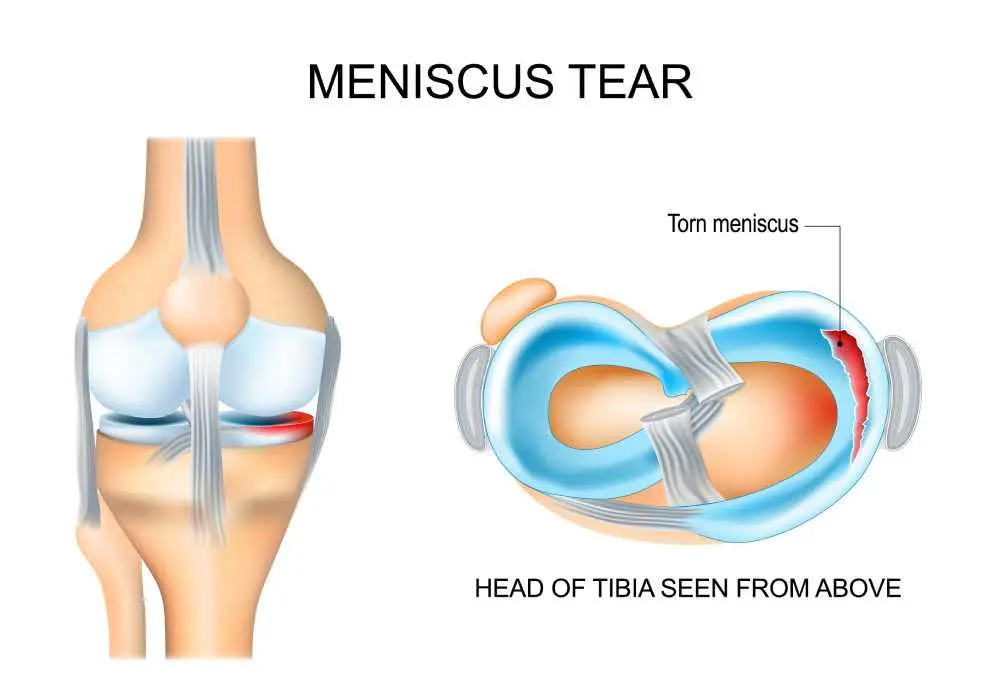
Meniscus tear is one of the most common knee injuries, occurring when the C-shaped pieces of cartilage that act as cushions between your shinbone and thighbone are damaged.
This injury frequently affects athletes involved in contact sports, but it can also happen to anyone during daily activities that involve sudden twisting or pivoting. Because the meniscus plays a vital role in shock absorption and joint stability, a tear can significantly impact mobility and long-term joint health if not addressed properly.
What is Meniscus Tear?
A tear of meniscus cartilage occurs when the knee joint is subjected to forceful rotation while the foot is firmly planted on the ground. This tissue damage disrupts the smooth gliding motion of the knee, often leading to pain and mechanical issues like catching or locking. While some tears are the result of sudden trauma, others develop gradually over time as the cartilage loses its elasticity and becomes more brittle with age.
What Causes Meniscus Tear?
A medial meniscus tear is the most frequent variety of this injury, often caused by a sudden twist or a direct blow to the inner side of the knee. In addition to sports-related trauma, degenerative changes in the knee joint are a leading cause in older adults, where even a simple movement like squatting or getting out of a chair can cause the tissue to fray. Occupations that require frequent kneeling or heavy lifting also place repetitive stress on the cartilage, increasing the risk of a rupture.
Meniscus Tear Symptoms
The primary meniscus tear knee symptoms often include a distinct "popping" sensation at the moment of injury followed by a gradual onset of stiffness and swelling. Recognizing these symptoms early can help prevent further joint damage:
- Popping Sensation: A felt or heard "pop" inside the knee at the exact moment the injury occurs.
- Gradual Swelling: The knee often becomes stiff and swollen over the first 24 to 48 hours.
- Joint Line Pain: Persistent pain specifically located along the inner or outer edge of the knee joint.
- Instability: A feeling that the knee is "giving way" or buckling, especially under weight or during pivots.
- Restricted Motion: Difficulty fully straightening or deeply bending the leg due to pain or internal blockage.
Signs Of Meniscus Tear
Consistent signs of meniscus tear are often discovered during a physical exam when the knee is put through its range of motion. If you are experiencing knee discomfort, look for these specific clinical signs:
- Locked Knee: A physical inability to fully straighten or extend the leg due to cartilage fragments blocking the joint.
- Joint Effusion: Significant swelling caused by excess fluid accumulating inside the knee capsule.
- Joint Line Tenderness: Sharp pain when a doctor applies pressure directly to the space between the thighbone and shinbone.
- Mechanical Catching: A distinct sensation of clicking or snapping within the joint during movement.
- Positive McMurray Test: Pain or a "thunk" felt during provocative maneuvers where the doctor rotates the knee while flexing it.
Meniscus Tear Types
Understanding meniscus tear types is essential for determining the prognosis, as the location and shape of the tear dictate how well the tissue can heal. These injuries are generally categorized based on their pattern, often identified through meniscus tear radiology to guide surgical planning. The most common classifications include:
- Longitudinal Tear: A vertical tear that runs parallel to the long axis of the meniscus; these are often amenable to repair if located in the vascular "red zone."
- Bucket Handle Tear: A severe subtype of longitudinal tear where the inner portion of the meniscus flips into the center of the joint, often causing the knee to lock.
- Radial Tear: A tear that extends from the inner edge toward the outer rim; these are common but difficult to heal because they cut across the cartilage fibers.
- Parrot-Beak Tear: An oblique type of radial tear that creates a curved flap resembling a bird's beak, which often catches or clicks during movement.
- Horizontal Tear: A tear that splits the meniscus into upper and lower layers, typically associated with degenerative changes in older adults.
- Complex Tear: An injury involving a combination of different tear patterns (e.g., both horizontal and radial), usually seen in worn or aged cartilage.
- Root Tear: A tear occurring where the meniscus anchors to the shinbone, which can lead to rapid joint breakdown if not treated.
Meniscus Tear Diagnostic Methods
The process of meniscus tear classification begins with a clinical evaluation but relies heavily on advanced imaging to confirm the extent of the damage. Doctors typically use X-rays to rule out bone fractures, followed by a more detailed assessment of the soft tissues. The gold standard for diagnosis is meniscus tear radiology, specifically MRI (Magnetic Resonance Imaging), which allows specialists to visualize the internal structure of the cartilage and identify the specific tear pattern.
Meniscus Tear Treatment
Non-surgical meniscus tear treatment is often the first line of defense for small, stable tears located in the outer "red zone" of the cartilage where blood supply is plentiful. This approach typically involves the RICE protocol—rest, ice, compression, and elevation—alongside physical therapy to strengthen the surrounding leg muscles. Anti-inflammatory medications are also commonly used to manage pain and reduce the swelling that occurs within the joint capsule.
Meniscus Tear Surgery
A surgery of meniscus tear may be necessary when conservative methods fail or when the tear is severe enough to cause persistent mechanical symptoms. Most modern procedures are performed arthroscopically, using a small camera and miniature instruments through tiny incisions. Depending on the meniscus tear grade and location, the surgeon will either perform a meniscectomy to trim away the damaged tissue or a meniscus repair to stitch the torn pieces back together.
Frequently Asked Questions About Meniscus Tear
Can a torn meniscus heal on its own?
Small tears in the outer portion of the meniscus may heal with rest and physical therapy due to the rich blood supply in that specific area.
How do you treat a torn meniscus?
Treatment involves a combination of the RICE method, physical therapy to stabilize the joint, and in more severe cases, surgical intervention to repair or trim the cartilage.
Can you still walk with a torn meniscus?
Many people can walk immediately after the injury, but the pain usually intensifies over the following days, making weight-bearing and rotation increasingly difficult.
What is the recovery time for a meniscus tear?
A standard meniscus tear recovery time varies from four to six weeks for non-surgical cases, while surgical repairs may require three to six months for full return to sports.
What does a meniscus tear feel like?
It typically feels like a sharp pain along the joint line accompanied by a sensation of the knee catching, clicking, or being physically unable to move.
Which medical department should be consulted for meniscus tear?
Patients should consult the Orthopedics department, as these specialists are trained to diagnose and treat bone, joint, and ligament disorders.


