


 Let Us Call You


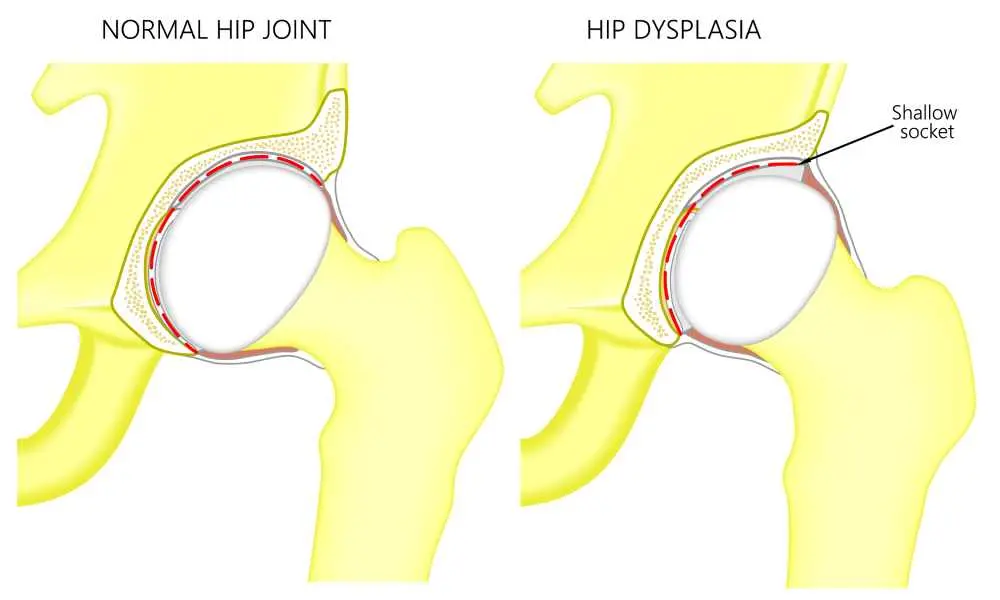
Hip Dysplasia is a medical condition where the hip socket doesn't fully cover the ball portion of the upper thighbone, allowing the hip joint to become partially or completely dislocated. Most people with this condition are born with it, though symptoms might not appear until later in life when wear and tear on the joint increases. If left untreated, it can lead to early-onset osteoarthritis or a labral tear, making early diagnosis and specialized management essential for preserving long-term mobility and joint health.
What is Hip Dysplasia?
The clinical hip dysplasia orthobullets definition describes a spectrum of disorders ranging from subtle shallowing of the acetabulum to a total dislocation of the femoral head.
This structural abnormality means the ball and socket joint does not fit together perfectly, causing the socket to wear out much faster than a normal joint.Hip dysplasia in adults often presents as a primary cause of hip pain, especially in active young women who may have had undetected mild instability since childhood.
Hip Dysplasia Causes
Specific hip dysplasia causes are often related to factors that limit the space in the womb or affect the position of the fetus during pregnancy.
- First Pregnancy: The uterus is tighter, which can restrict the baby's movement.
- Breech Position: Babies positioned feet-first have a higher risk due to the stress placed on the hip joints.
- Large Birth Weight: Larger babies have less room to move, potentially impacting joint development.
- Family History: The condition tends to run in families, suggesting a genetic predisposition.
- Oligohydramnios: Low levels of amniotic fluid can contribute to restricted fetal positioning.
Hip Dysplasia Symptoms
The most common hip dysplasia symptoms involve pain in the groin area or the side of the hip, which often worsens with physical activity.
- Groin pain
- Joint instability
- Limping
- Limited range of motion
Hip Dysplasia Signs
Identifying hip dysplasia signs early is crucial, as late-stage symptoms often involve mechanical issues that can damage the joint surface.
- Developing an unusual gait or "waddling" walk to compensate for joint instability.
- One leg appearing noticeably shorter than the other when standing.
- Audible or felt mechanical sounds within the joint during movement.
- Pain that increases significantly during sports or prolonged periods of standing.
- The pelvis dropping on the opposite side when standing on the affected leg due to muscle weakness.
Hip Dysplasia In Babies Signs
Early screening for hip dysplasia in infants is a standard part of newborn care to check for hip stability and proper joint formation.
- Leg Length Discrepancy: One leg may appear shorter than the other.
- Uneven Skin Folds: Extra or asymmetrical folds of skin on the thigh or buttocks.
- Limited Flexibility: Difficulty fully moving the baby's legs outward (abduction) during diaper changes.
- Clicking Sounds: A "clunking" sensation felt by the doctor during a physical hip examination.
Hip Dysplasia Diagnostic Methods
A definitive hip dysplasia ultrasound is the preferred diagnostic tool for infants under six months old, as their hip joints are still largely made of cartilage.
- Physical Examination: Doctors use the Barlow and Ortolani maneuvers to check for joint displacement in newborns.
- Hip Dysplasia Radiology: X-rays are the gold standard for diagnosing older children and adults once the bones have mineralized.
- MRI Scans: Used to check for damage to the labrum or the cartilage lining the joint.
- Hip Dysplasia Test: Clinical assessments like the impingement test help determine if the socket is rubbing against the femoral neck.
Hip Dysplasia Treatment
The primary goal of hip dysplasia treatment is to reposition the hip joint so the ball and socket fit together correctly to prevent future damage. For infants, a Pavlik harness is often used to hold the hips in a stable position while the joint matures.
In older children and adults, physical therapy plays a vital role in strengthening the stabilizer muscles around the hip to provide better joint support. Lifestyle modifications, such as choosing low-impact exercises, can help preserve the remaining cartilage and delay the progression of wear and tear. Additionally, weight management is recommended to reduce the mechanical load placed on the shallow hip socket during daily activities.
Hip Dysplasia Surgery
When conservative methods are insufficient, hip dysplasia surgery may be necessary to realign the bones or repair damaged tissues within the joint. A periacetabular osteotomy (PAO) is a common procedure for young adults where the socket is cut and repositioned to provide better coverage of the femoral head.
Hip arthroscopy is another minimally invasive option used to repair a torn labrum or remove loose cartilage fragments that cause catching or pain. For infants whose hips do not stay in place, a closed or open reduction may be performed to manually guide the ball back into the socket. In advanced cases where severe osteoarthritis has already set in, a total hip replacement becomes the most effective way to restore mobility and eliminate chronic pain.
Frequently Asked Questions About Hip Dysplasia
How do you know if you have hip dysplasia?
In adults, the condition usually presents as persistent groin pain, a limp, or a clicking sensation during activity, which is then confirmed through professional imaging.
Can hip dysplasia be cured?
While the structural deformity is permanent, early intervention and surgical correction can effectively restore joint function and prevent the progression of painful arthritis.
How to fix hip dysplasia in adults?
Treatment for adults typically involves a periacetabular osteotomy to realign the socket or, in cases of severe joint wear, a total hip replacement.
How do you test for hip dysplasia in adults?
Doctors use a combination of physical impingement tests and weight-bearing X-rays to measure the angles of the hip socket and assess joint coverage.
Which medical department should be consulted for Hip Dysplasia?
You should consult the Orthopedics department, specifically an orthopedic surgeon who specializes in hip preservation or pediatric orthopedics depending on the patient's age.


