


Oncological Surgery


 Let Us Call You

Oncological surgery is a type of specialization in medicine, which deals with surgical treatment of cancer. It entails staging, diagnosis, and excising tumors as well as leaving as much normal tissue as possible. The aim is to destroy all the cancerous growths and avoid their recurrence. Surgery of the oncology is usually used in combination with chemotherapy, radiotherapy and targeted therapies. It is a holistic and individualized method of enhancing survival and quality of life among cancer patients.
Oncological surgery is the surgical specialty that deals with treatment of cancer by means of operation. It focuses on eliminating the tumours, the lymph nodes surrounding the tumours and possibly the tissues that may have been affected to prevent further proliferation of the cancer. This field is a hybrid of both accurate surgery and comprehensive knowledge of oncology. Oncological surgeons work hand in hand with oncologists, radiologists, and pathologists. This is not only to treat but also to diagnose and stage the disease correctly to proceed with the treatment.
Oncological surgery is also advised in the case of a localized and safely resected cancerous tumor. It is most commonly used as the first-line therapy of most solid tumors including breast, colon, lung, and prostate cancers. Surgery could also be applied to have diagnostic biopsies, reconstruction or palliative treatment to ease the symptoms. In other instances, it is carried out either prior to or subsequent to chemotherapy or radiotherapy in order to maximize treatment effects. The choice is determined by the type, the stage and the overall health of the patient.
Oncologic surgery is explored on a broad spectrum of cancer cases that are studied in which the optimal opportunity of recovery or control of a disease is achieved through the surgical removal of the tumor. It is best used in solid tumors which can be localized and safely removed. The process can be curative with the aim of eliminating the whole cancer or palliative, which is aimed at alleviating the symptoms and enhancing the quality of life. Oncologic surgery is used together with chemotherapy, radiotherapy or immunotherapy to enhance the success of treatment. This particular method varies according to the type, location, and stage of the tumor.
Examples of common diseases that are treated with oncologic surgery include:
Oncologic surgery may be done with reconstruction surgery to either restore the appearance or functions in most instances. The given procedures are customized to accommodate the stage of cancer, the general condition of a patient, and the purpose of treatment.
Individuals eligible in oncological surgery include those with localized and operable tumors or cancers. The age, the overall condition of health, and the stage of cancer are critical aspects in establishing the eligibility of the patient. Imaging and biopsy findings assist in assessing tumor size and growth before surgery. Consumers of early-stage cancer have a better success rate in cancer surgery. Nonetheless, surgery can be used to remove the tumor mass and enhance quality of life even in the advanced stages.
Common candidates include:
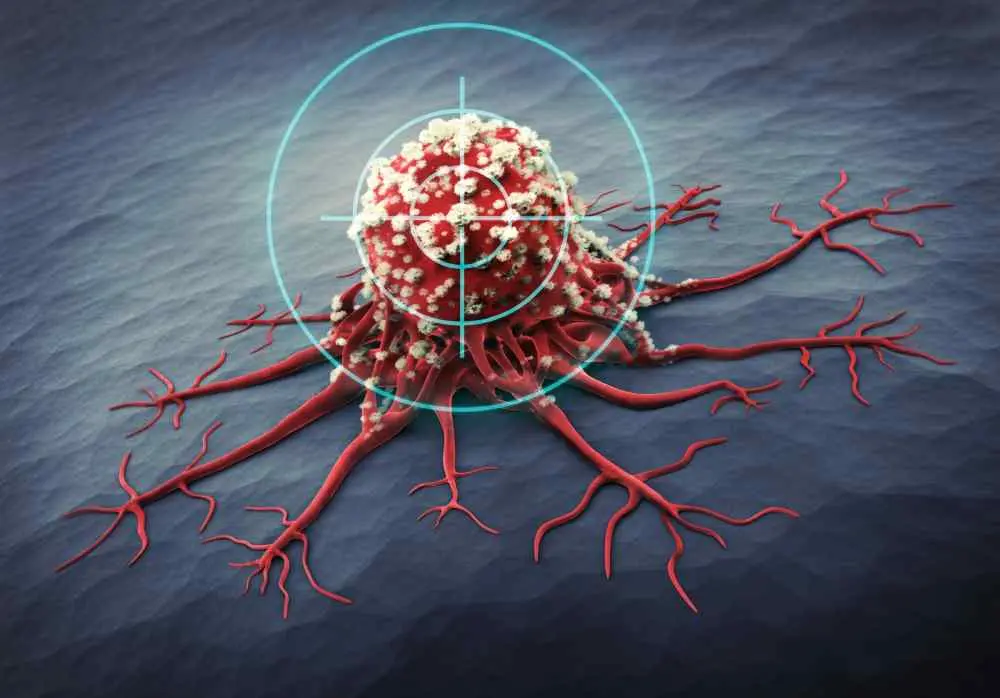
Oncological surgery generally has a systematic plan in medicine which remains secure and precise. It begins with preoperative assessment which involves imaging, blood tests and assessment of anesthesia. The operation phase consists of the excision of the tumor and the lymph nodes. Tissue specimens are examined in order to identify the type and margins of cancer. Post-operative care is done to guarantee recovery and avoid complications after the procedure. Follow up treatment is vital to determine the outcome and identify any evidence of reoccurrence.
Main stages include:
The success of the oncological surgery depends on several factors which are the stage, cancer type and location. Early diagnosis has a high probability of full removal of tumor. It is also improved through the knowledge of the surgeon as well as the use of sophisticated technology. The general health condition of a patient, his or her immune system, and compliance with post-surgery treatment are significant factors. Surgery coupled with chemotherapy or radiotherapy also increase the survival rates.
Key success factors include:
In spite of the fact that oncological surgery is supposed to save the lives, it has possible risks as any other major operation. The risks are usually bleeding, infection, and slow healing of the wounds. Surgery can also impact functional limitations in the nearby organs or temporarily limit their functionality in some instances. Cancer recurrence is also a risk that has chances to be observed in case of remaining microscopic cells. The contemporary methods like the minimally invasive and robot surgeries considerably decrease these risks.
Potential complications are:
Correct care after the operation is crucial in recovery and success in the long term. Infection, pain, or complications are monitored effectively in patients. The aid of nutrition, mobility, and mental health promote a speedier recovery. Depending on the type of surgery, the rehabilitation program can be comprised of physiotherapy or reconstructive care. Frequent follow-up and imaging are also used to diagnose recurrence at an early stage. Surgical and medical oncology teams will coordinate with each other to ensure that patients are continuously handled.
Aftercare recommendations:
Patients are advised to have sufficient rest, attend follow up appointments, and take all the post-surgery care guidelines to help them heal and assess their recovery.
The time taken to recover is dependent on the type of cancer and the form of surgery done, although it is generally a few weeks to several months.
The pain is prevalent at first but can be dealt with successfully via a prescription of a drug and good aftercare.
Surgery may be done in the initial stages resulting in total removal of the cancer although further treatment and continuous check up may be required to avoid recurrence.
The recurrences depend on the type and stage of the cancer; frequent check-ups will reveal and cure any recurrence in its early stages.
Created at
11.11.2025 10:51
Updated at
11.11.2025 05:13
Editor
Semih PEKENGİN
