


 Let Us Call You


Coenzyme Q10 (CoQ10) is a naturally occurring compound in the body that helps produce cellular energy and acts as an antioxidant. It is found in mitochondria, where it supports energy metabolism and may help protect cells from oxidative stress. In addition, due to its antioxidant properties, it may help protect cells from damage caused by free radicals.
The human body is capable of producing a certain amount of CoQ10. It can also be obtained from certain foods. However, as people age, the levels of CoQ10 in the body may decrease. For this reason, some individuals may prefer to obtain CoQ10 through dietary sources or supplements under medical supervision.
How Does Coenzyme Q10 Work in the Body?
Coenzyme Q10 is a coenzyme naturally present in the body that plays an important role in cellular energy production. It contributes to maintaining energy metabolism by participating in the production of ATP, which is the primary energy source of cells. At the same time, it acts as a powerful antioxidant and may help reduce oxidative stress caused by free radicals. Reducing oxidative stress contributes to protecting cells and maintaining balance in certain biological processes.
Potential Benefits of Coenzyme Q10
Research on Coenzyme Q10 has explored several potential CoQ10 benefits related to cellular energy production and oxidative balance. It is particularly known to play a role in mechanisms related to energy metabolism and oxidative stress. However, it should be noted that these effects may vary from person to person and that current research findings do not constitute definitive medical treatment.
Some potential effects associated with Coenzyme Q10 include:
- May support cellular energy production
- May have antioxidant effects
- May be associated with heart health
- Research related to migraine
- May be associated with exercise performance
May support cellular energy production
Coenzyme Q10 is a compound involved in the mitochondria, which are responsible for cellular energy production. In this process, it may contribute to the production of ATP, the primary energy source of cells. Therefore, adequate levels of CoQ10 may be important for maintaining cellular energy metabolism.
May have antioxidant effects
Coenzyme Q10 is known to have antioxidant properties. Antioxidants help reduce oxidative stress caused by free radicals in the body. This may contribute to protecting cells and maintaining balance in certain biological processes.
May be associated with heart health
The heart muscle is a tissue with high energy demand. For this reason, CoQ10 is found in high concentrations in heart cells. Some studies suggest that there may be a relationship between CoQ10 levels and heart health. However, more scientific studies are needed to evaluate the clinical significance of this relationship.
Research related to migraine
Some studies suggest that CoQ10 supplementation may influence the frequency or duration of migraine attacks. This may be related to the potential role of CoQ10 in energy metabolism and nervous system processes.
May be associated with exercise performance
Since Coenzyme Q10 is involved in energy production processes, it is considered one of the compounds that may be associated with physical performance. Some studies indicate that CoQ10 may be related to energy production and muscle functions during exercise. However, there are also studies reporting different findings regarding its effects on sports performance.
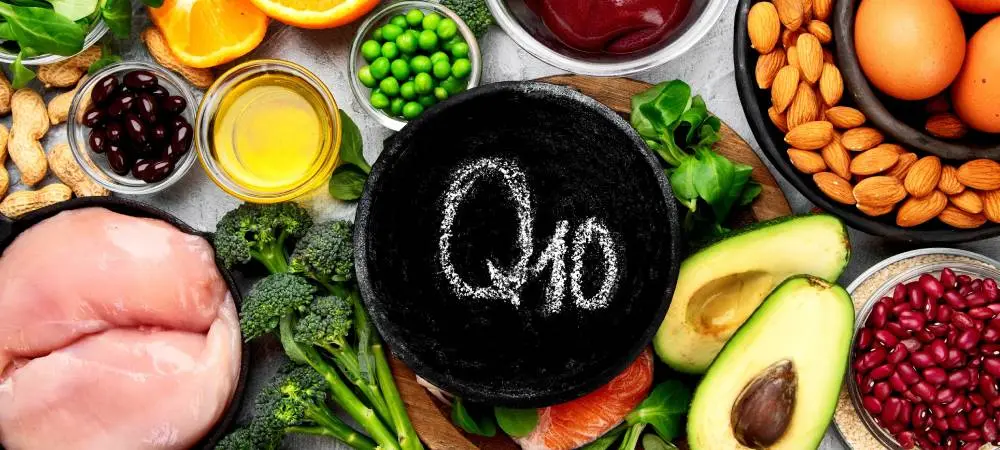
Which Foods Contain Coenzyme Q10?
Coenzyme Q10 can be produced by the body and is also naturally present in certain foods. Although the amounts obtained through diet are generally low, a balanced diet may contribute to the intake of this compound.
Some foods containing CoQ10 include:
- Red meat and organ meats
- Fatty fish
- Liver
- Nuts (such as hazelnuts and walnuts)
- Whole grains
- Spinach and broccoli
The amount of CoQ10 found in foods is generally limited. For this reason, some individuals may prefer supplements. However, consulting a healthcare professional before using supplements is recommended.
Coenzyme Q10 Levels and Risk Factors
Since Coenzyme Q10 is produced by the body, a clear deficiency is relatively rare. However, certain conditions may lead to decreased levels of CoQ10 in the body.
Some factors that may contribute to lower CoQ10 levels include:
- Advanced age
- Certain chronic diseases
- Nutritional deficiencies
- High oxidative stress
- Long-term use of certain medications
In such situations, decreased CoQ10 levels may affect energy production or cellular processes.
Use of Coenzyme Q10 and Possible Side Effects
Coenzyme Q10 supplements are generally considered well tolerated. However, mild side effects may occur in some individuals. Therefore, it is not recommended to use them without medical advice.
Reported possible side effects may include:
- Stomach discomfort
- Nausea or loss of appetite
- Headache
- Sleep disturbances
- Dizziness
In addition, CoQ10 may interact with certain medications. Individuals who use blood-thinning medications are particularly advised to consult their doctor before taking supplements.