


 Let Us Call You


Sunscreen is one of the most important steps in any skincare routine, yet it is often misunderstood or skipped. It is designed to protect the skin from the harmful effects of ultraviolet (UV) radiation. These rays can damage skin cells, accelerate aging, and increase the risk of skin cancer. Many people assume sunscreen is only necessary on sunny days, but UV exposure occurs year-round. Understanding how sunscreen works can help you use it more effectively and protect your skin in the long term.
Key Takeaways
- Sunscreen helps protect the skin from harmful UV radiation that can cause damage and skin cancer.
- Daily use may help prevent premature aging, discoloration, and other skin concerns.
- Choosing the right type and applying it correctly is essential for effective protection.
What is Sunscreen?
Sunscreen is a topical product that helps protect the skin from ultraviolet (UV) radiation, including UVA and UVB rays. These rays can penetrate the skin and cause both short-term and long-term damage. UVA rays are mainly responsible for premature aging, while UVB rays are associated with sunburn and skin cancer risk.
Sunscreen works as a protective barrier that either absorbs or reflects these harmful rays before they can damage the skin. Regular use is considered one of the most effective ways to reduce UV-related skin damage.
How Does Sunscreen Work?
Sunscreens work in two main ways depending on their formulation. Some absorb UV radiation and convert it into heat, while others reflect and scatter the rays away from the skin.
This protective action helps reduce the amount of UV radiation that reaches deeper layers of the skin. As a result, it plays a key role in preventing cellular damage and maintaining skin health over time.
What Are the Benefits of Sunscreen?
Using sunscreen regularly offers multiple benefits beyond sunburn protection. It is a key preventive measure in both dermatology and everyday skincare.
Key benefits include:
- Reducing the risk of skin cancer
- Preventing premature aging such as wrinkles
- Helping fade or prevent discoloration
- Supporting overall skin health
- Protecting against environmental damage
- Daily use may also help improve skin appearance over time by reducing cumulative sun damage.
Clinical Insight: Research on Sunscreen Use
What Are the Types of Sunscreen?
Sunscreens are generally divided into two main categories based on how they protect the skin. Each type has different characteristics and may suit different skin types.
Types include:
- Chemical sunscreen: Absorbs UV rays and converts them into heat
- Mineral (physical) sunscreen: Sits on the skin and reflects UV rays
- Some products combine both types to provide broader protection. Choosing the right type depends on skin sensitivity, preference, and lifestyle.
What Does SPF Mean?
SPF, or Sun Protection Factor, indicates how well a sunscreen protects against UVB rays. Higher SPF numbers provide greater protection, but no sunscreen blocks 100% of UV radiation.
For example, SPF 30 blocks about 97% of UVB rays, while higher values offer slightly more protection. However, proper application and reapplication are just as important as the SPF number itself.
How to Use Sunscreen Correctly
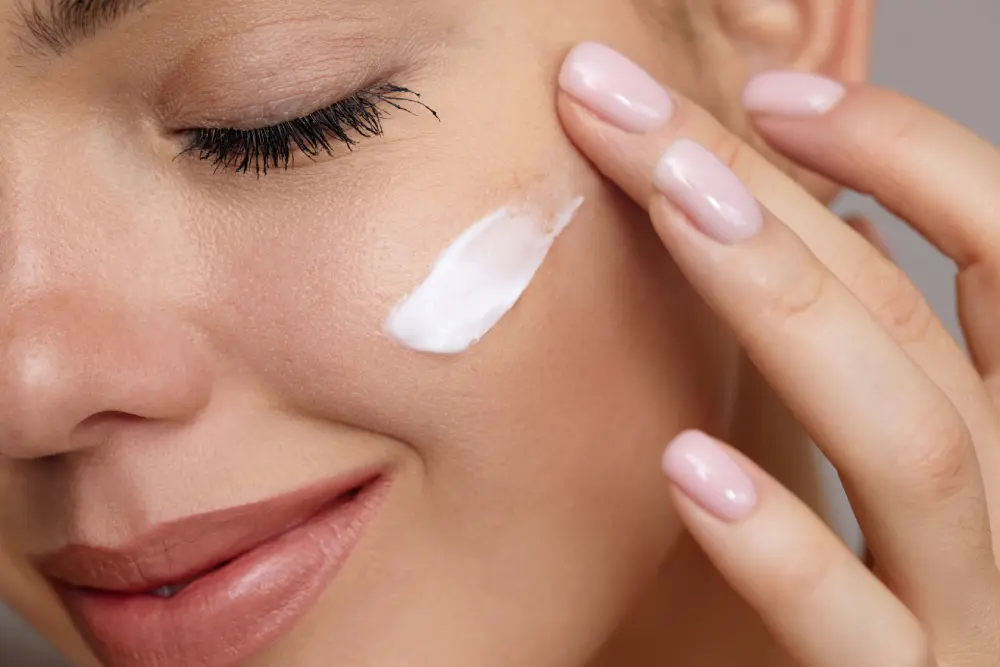
Using sunscreen correctly is essential to get the full protective benefit. Many people apply too little or forget to reapply it during the day.
Best practices include:
- Apply sunscreen generously to all exposed skin
- Use it every day, even when it’s cloudy
- Reapply every two hours when outdoors
- Apply after moisturizer and before makeup
- Use broad-spectrum sunscreen (UVA + UVB protection)
- Consistent and correct use is key to effective protection.
Do You Need Sunscreen Every Day?
Sunscreen should be used daily regardless of weather conditions. UV rays can penetrate clouds and even windows, exposing the skin to damage throughout the year.
Daily use helps protect against both immediate and long-term skin damage. It is considered a fundamental part of maintaining healthy skin.
Are There Any Risks or Considerations?
Sunscreen is generally safe for most people, but choosing the right formulation is important. Some individuals may prefer mineral sunscreens if they have sensitive skin.
It is also important to note that sunscreen alone is not enough. Combining it with protective clothing, shade, and sunglasses can provide more complete sun protection.
Which department should I visit?
If you have concerns about your skin or sun exposure, you can consult the Dermatology department. A specialist can recommend suitable products and routines based on your skin type.