


 Let Us Call You


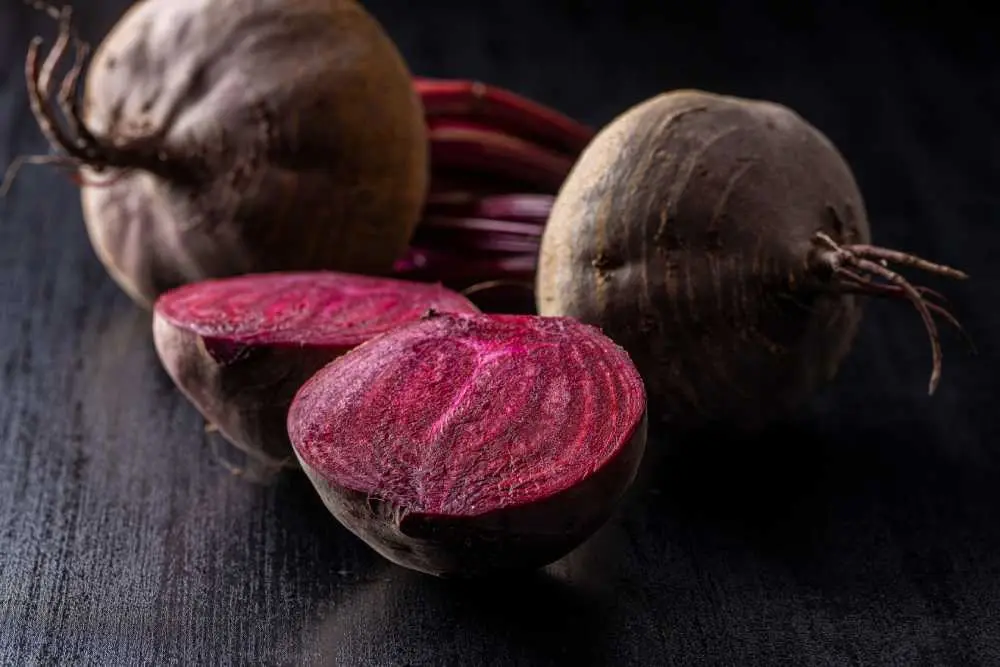
Discover the health benefits of beetroot, including heart health support, exercise performance, antioxidants, and nutritional value. Beetroot, commonly known as beet, is a colorful root vegetable widely recognized for its nutritional value and potential health benefits. It contains fiber, antioxidants, vitamins, and naturally occurring nitrates that may support cardiovascular health and physical performance. Thanks to its vibrant color and nutrient profile, beetroot is frequently included in balanced and wellness-focused diets.
Beets can be consumed in several forms, including whole vegetables, beetroot juice, smoothies, and salads. Research continues to explore the possible effects of beetroot on blood pressure, circulation, inflammation, and exercise recovery.
Key Takeaways
- Beetroot is rich in nitrates, antioxidants, vitamins, and minerals that support overall health.
- Research suggests beets may help support heart health, blood flow, and exercise performance.
- Beetroot can be consumed in multiple forms, including roasted beets, juice, and salads.
What Makes Beetroot Nutritious?
Beetroot is low in calories while providing several important nutrients and plant compounds. It contains betalains, which are natural pigments with antioxidant properties that give beets their deep red-purple color.
Beetroot contains:
- Fiber
- Folate
- Potassium
- Iron
- Vitamin C
- Natural nitrates
- Antioxidants
These nutrients may help support circulation, energy metabolism, and overall wellness.
May Support Heart Health
One of the most researched benefits of beetroot is its potential role in cardiovascular health. Beetroot contains dietary nitrates, which the body converts into nitric oxide. Nitric oxide helps relax and widen blood vessels, supporting healthy blood flow.
Some studies suggest that beetroot juice may help support healthy blood pressure levels and vascular function. Researchers continue to study how nitrate-rich vegetables may contribute to long-term heart health.
May Improve Exercise Performance
Beetroot is commonly associated with sports nutrition because of its nitrate content. Nitric oxide may help improve oxygen delivery and blood circulation during exercise.
Some studies suggest that beetroot juice may help improve endurance and reduce fatigue during physical activity. Because of these potential effects, beetroot is often consumed before workouts or athletic performance.
May Help Reduce Oxidative Stress and Inflammation
Beetroot contains antioxidants and anti-inflammatory compounds that may help protect cells from oxidative stress. Chronic oxidative stress and inflammation have been associated with aging and several chronic conditions.
Betalains, the natural pigments found in beetroot, are among the compounds studied for their potential antioxidant effects. Including antioxidant-rich vegetables in a balanced diet may help support long-term health.
May Support Brain Function
Healthy blood flow is important for brain function and cognitive performance. Because nitric oxide helps support circulation, researchers have explored whether beetroot may contribute to brain health by improving blood flow to certain brain regions.
Although more studies are needed, some findings suggest that nitrate-rich foods such as beetroot may support cognitive performance in older adults.
Clinical Insight: Research on Beetroot and Blood Pressure
Review suggests that dietary nitrate from beetroot may help support blood pressure regulation by increasing nitric oxide production in the body. Researchers observed that beetroot juice consumption was associated with improvements in vascular function and circulation in some studies. However, experts emphasize that beetroot should be considered part of a balanced diet rather than a replacement for medical treatment.
Beetroot Juice vs. Whole Beets
Both beetroot juice and whole beets provide nutritional benefits, but there are differences between them. Whole beets generally contain more fiber, while beetroot juice may provide more concentrated nitrates.
Benefits of Whole Beets
- Higher fiber content
- Better satiety support
- Slower sugar absorption
Benefits of Beetroot Juice
- Concentrated nitrate intake
- Convenient consumption before exercise
- Hydration support
Choosing minimally processed beetroot products may help preserve nutritional value.
Are There Any Side Effects of Beetroot?
Beetroot is generally considered safe for most people when consumed in moderation. However, some individuals may notice temporary changes after eating beets.
Possible considerations include:
- Pink or red urine/stool
- Digestive discomfort if consumed excessively
- High oxalate content, which may be relevant for some kidney stone conditions
Individuals with chronic medical conditions or dietary restrictions should consult a healthcare professional regarding nutritional changes.
How Can You Add Beetroot to Your Diet?
Beetroot can be consumed in many different ways as part of a balanced diet.
Popular ways to eat beetroot include:
- Roasted beet salads
- Beetroot juice or smoothies
- Adding beets to grain bowls
- Pickled beetroot
- Beet-based soups
Combining beetroot with other vegetables and balanced meals may help increase overall nutrient intake.
Which department should I visit?
Individuals seeking nutritional guidance related to heart health, exercise nutrition, or balanced dietary planning may consult the Nutrition and Dietetics or Internal Medicine department.