


 Let Us Call You


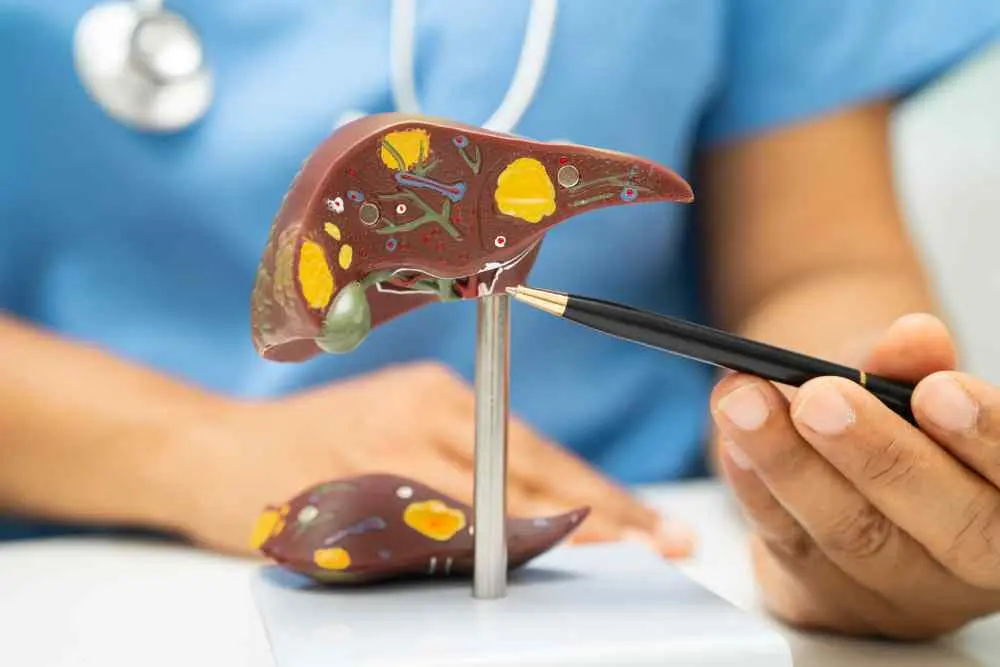
Cirrhosis of the liver occurs when healthy liver cells are replaced by scar tissue due to long-term damage. This scarring disrupts normal liver function, reducing the organ’s ability to filter toxins, produce proteins, and process nutrients. Over time, cirrhosis can lead to life-threatening complications if untreated.
What is Cirrhosis of the Liver?
Cirrhosis represents the end result of chronic liver injury. Every time the liver repairs itself after some form of injury, some scar tissue develops. As this builds up, blood flow through the liver is restricted, with impairment of its function. The possible causes are chronic alcohol misuse and chronic viral hepatitis, fatty liver disease. If not managed early, cirrhosis may progress to liver failure.
Why Does Cirrhosis of the Liver Occur?
The liver can sustain repeated injury from infections, toxins, or metabolic stress. Over time, these injuries lead to fibrosis and scarring.
Main causes include:
- Chronic Alcohol Abuse: Long-term alcohol use damages liver cells and calls forth inflammation.
- Hepatitis B and C: It is the most important cause of cirrhosis due to chronic viral infection.
- NAFLD, or Nonalcoholic Fatty Liver Disease: Fat accumulation within the liver due to obesity or diabetes.
- Autoimmune Hepatitis: The immune system mistakenly attacks healthy liver cells.
- Genetic Disorders: Such as hemochromatosis (iron overload) or Wilson’s disease - copper buildup.
- Chronic use of medication or toxins: This can eventually cause scarring to the liver.
Symptoms of Liver Cirrhosis
Symptoms of liver cirrhosis usually develop gradually. In the beginning, many people do not recognize signs. As the disease progresses, symptoms become more apparent and serious.
Usual symptoms of cirrhosis include:
- Fatigue and weakness are usually the earliest but most persisting symptom
- Loss of appetite and weight loss involuntarily
- Nausea, vomiting, and abdominal pains
- Yellowing of the skin and eyes (jaundice) due to bilirubin buildup
- Edema in the lower extremities, ankles, or ascites
- Itchy skin and easy bruising
- Spider-like vascular formations on the skin (spider angioma)
- Confusion or difficulty concentrating (hepatic encephalopathy) due to toxin buildup
Early Symptoms of Cirrhosis
The early symptoms might be light but can be a serious warning. Early symptoms of cirrhosis:
- Mild fatigue or lethargy
- Abdominal bloating or discomfort
- Loss of appetite
- Itchy skin or dry patche
- Slight yellowing of the eyes-early jaundice
- Early detection may prevent severe liver damage and can help in better treatment outcomes.
How Is Cirrhosis of the Liver Diagnosed?
Diagnosis typically involves a combination of medical history, physical exams, blood tests, and imaging scans. Physicians seek to establish the liver scarring, the extent, and what the cause is.
Common diagnostic procedures include:
Blood Tests (Liver Function Tests): Measure liver enzymes (ALT, AST), bilirubin, and albumin levels to assess liver health
Imaging Studies:
- Ultrasound: Can identify scarring, enlargement, or fatty changes
- CT or MRI: These provide detailed images of liver structure and blood flow
- FibroScan (elastography): Measures liver stiffness to estimate fibrosis severity
- Liver Biopsy: A small sample of the tissue is studied under a microscope to confirm cirrhosis
- Endoscopy: To identify enlarged veins (varices) in the esophagus due to portal hypertension.
Treatment of Cirrhosis of the Liver
There is no complete cure for cirrhosis, but early treatment can prevent further scarring. The main aims are the alleviation of symptoms and the management of the cause.
Treat the Root Cause:
- Anti-viral medication against hepatitis
- Complete alcohol cessation for alcohol-related disease
- Medications: To control complications like fluid buildup (diuretics) or high pressure in veins (beta-blockers)
- Life-style Modification: Low-sodium diet, proper nutrition, and regular exercise
- Liver Transplant: Indicated for advanced cases where liver failure sets in
Can Cirrhosis Be Prevented?
Most cases of cirrhosis can easily be avoided by keeping the liver healthy and reducing the risk factors. All it requires is some adjustment in lifestyle and a few precautionary measures.
Prevention tips include:
- Avoid excessive alcohol consumption
- Get Hepatitis B vaccination and Hepatitis
- A vaccination, when available
- Maintain a healthy body weight by involving in exercises and healthy feeding
- Control underlying conditions that involve diabetes and high cholesterol
- Avoid unnecessary medications and always follow prescribed doses
- Get regular health check-ups if you have risk factors or a family history of liver disease
This content is for informational purposes only and is not a substitute for medical advice. If you’re experiencing any of these symptoms, please contact us for professional help.
Which department diagnoses and treats liver cirrhosis?
The diagnosis and treatment of cirrhosis are carried out by the Gastroenterology Department.


