


 Let Us Call You


Misophonia is a disorder in which certain everyday noises attract strong emotional responses of anger, anxiety, and irritation. Misophonic people tend to be highly sensitive to such sounds as chewing, tapping or breathing that ordinary persons might not even notice. The condition may disrupt social life and focus and quality of life. Misophonia and the way to treat it can be learned so that patients could find their options to cope with it. At Medicana, the experts give detailed assessments and individual treatment of the patients with difficulty in sound sensitivity.
What is Misophonia?
Misophonia is a psychological disorder and neurological disorder where the individual has strong adverse responses to specific sounds. Misophonia is literally translated as hate of sound. People with this condition will feel distressed, angry or will panic at hearing specific trigger noises like smacking lips, typing on a keyboard, or tapping of feet. Misophonia is not similar to general sound sensitivity as the response is emotional as opposed to sound volume. It is a well-known condition that could severely affect the everyday life, relationships, and emotional state.
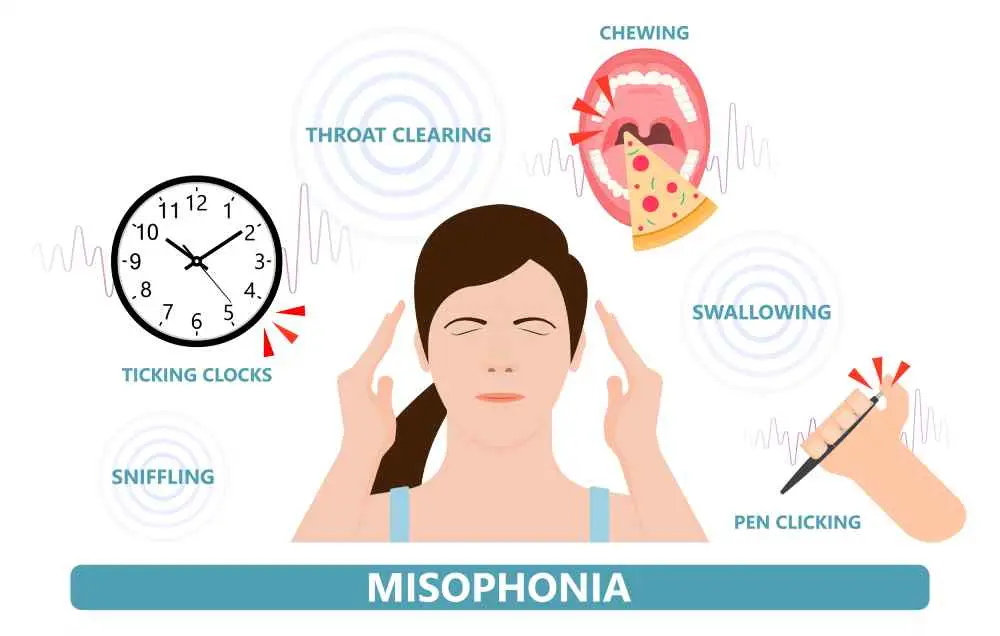
Common misophonia triggers
Certain everyday sounds can trigger strong emotional or physical reactions in people with misophonia. These triggers often involve repetitive noises that others may barely notice but can feel unbearable to someone with this condition.
- Chewing
- Breathing
- Clicking pens
- Whistling
- Typing
- Tapping
- Lip smacking
- Slurping
Symptoms of Misophonia
The symptoms of misophonia may manifest themselves in the early childhood or during the early adulthood and differ in severity. They may be mild irritations to the severe emotional outbursts when listening to certain sounds. Typical exhibitions consist of emotional and physical responses.
Common symptoms include:
- Repetitive sounds that cause sudden anger or irritation
- Fast pulse rate or extreme anxiety during exposure
- Wish to get out or evade some places
- Response to sound can be physical tension, sweating or panic
- Lack of focus when under stressors
- Post repeated exposure emotional exhaustion
If misophonia affects your focus, relationships, or emotional well-being, it’s important to consult a healthcare professional. Early diagnosis and targeted therapy can make daily life much more manageable.
At Medicana International Hospitals, our Neurology and Psychiatry Departments specialize in diagnosing and treating misophonia through personalized, evidence-based care.
Causes of Misophonia
Misophonia is not properly understood in its causes, but it is believed that this disorder may be caused by an abnormal brain activity in the regions of the brain that regulate sound processing and emotional reactions. This is thought to be caused by both genetic and environmental factors. Individuals who experience anxiety, obsessive-compulsive disorder (OCD), or tinnitus are at a higher risk of getting misophonia.
Possible causes of misophonia are:
- Excessive linkages between the limbic and auditory system in the brain
- Familial or hereditary predisposition or history of sound sensitivity
- Past exposure to stressful/traumatic auditory stimuli
- Comorbid mental disorders like anxiety or OCD
- Neurological hypersensitivity of the sensory processing
The knowledge of these causes assists the clinicians to develop tailored treatment regimens that are not only addressing the emotional but also the neurological aspects.
Diagnosing Misophonia: Tests and Screening Methods
The diagnosis of misophonia is performed by assessing responses to emotional stimuli and determining the triggers of misophonic reactions by means of behavioral tests. There is no standardized misophonia test, but medical professionals apply a rather powerful tool to assess the intensity of reactions and their influence on lives: questionnaires and interviews.
Diagnosis usually consists of:
- Patient history: It is important to know when exactly a patient started experiencing the symptoms and what type of sounds provoke reactions.
- Behavioral test: Visualization of reaction to controlled auditory responses.
- Psychological screening: Anxiety or mood disorder screening.
- Clinical questionnaire: Clinical tools like Misophonia Questionnaire (MQ) or Amsterdam Misophonia Scale (A-MISO-S) were used.
- Expert help: Consultation with neurologists, audiologists, or psychiatrists in order to have a holistic diagnosis.
In Medicana, the professional teams can work to define the root cause and prescribe the best care plan.
Effective Misophonia Treatments
Although misophonia is not curable, evidence-based treatments can help alleviate symptoms and learn to control emotions to a considerable degree. A combination of therapy, coping skills, and professional advice is the right combination that enables patients to control their triggers.
Effective remedies entail:
- Cognitive Behavioral Therapy (CBT): Assists in re-packaging emotional responses and creating resilience.
- Tinnitus Retraining Therapy (TRT): Involves sound therapy to desensize auditory stimuli.
- Mindfulness and relaxation methods: Control anxiety and enhance tolerance.
- Exposure therapy: Steadily becomes more comfortable with triggering sounds.
- Medication: Some drugs are prescribed to cope with the related anxiety or mood symptoms.
- Modifications to lifestyle: Noise-cancellers, building of relaxing settings, and decomposing.
This content is for informational purposes only and should not be considered medical advice. If you are experiencing any of the mentioned symptoms, please fill out the form to contact us for professional support.
Which department should patients see for misophonia?
Diagnosis and treatment of misophonia are performed by a specialist psychologist or psychiatrist.

