


 Let Us Call You


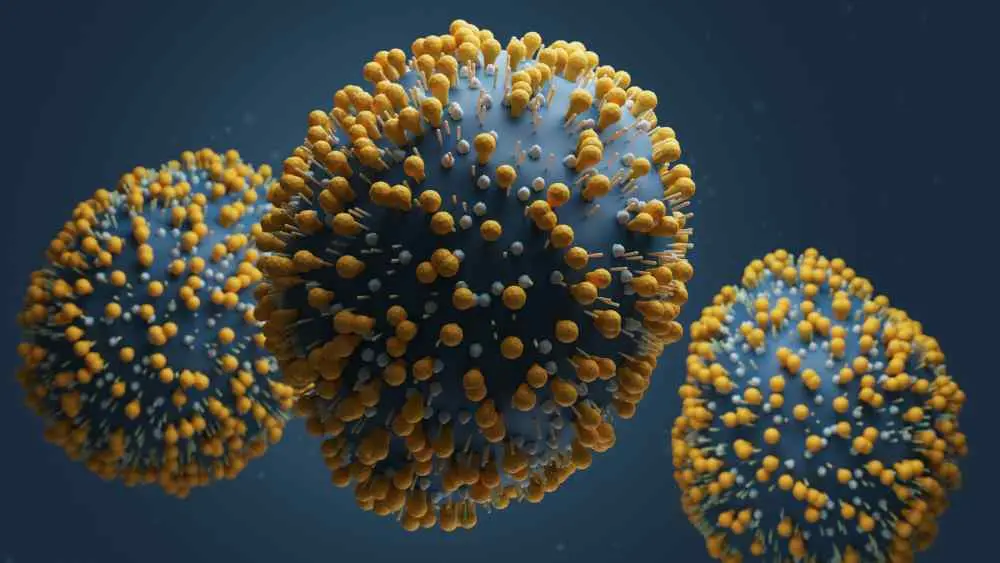
RSV (Respiratory Syncytial Virus) is an infections virus which is transmittable and spreads through the lungs and airways. It ranks among the top causes of respiratory diseases among infants, young children and the aged. Most of the cases are mild, however, RSV may cause severe illness in the people at risk. Its spread and severity can be controlled with the help of early diagnosis and correct prevention measures.
Key Takeaways
- RSV is a common virus that infects the lungs and airways, especially in infants and older adults.
- It spreads easily through coughing, sneezing, or close contact.
- Most cases are mild, but severe infections can cause pneumonia or bronchiolitis.
- Good hygiene and new RSV vaccines help prevent serious illness.
- There is no specific cure, but symptoms are treatable with supportive care.
What is RSV (Respiratory Syncytial Virus)?
RSV is a viral disease and it mainly affects the respiratory tract and presents with a common cold like symptoms. It is easy to transmit via droplets by sneezing or coughing by an infected individual. RSV in the vast majority of healthy adults is associated with mild symptoms, but in infants, aged people, and individuals with a weakened immune system, it may cause serious respiratory complications.
How RSV Affects the Respiratory System
RSV infects cells that cover the respiratory tract causing inflammation and mucus. This may cause constriction of the airways which may cause difficulty in breathing, particularly in young children and the elderly. In extreme situations, the infection may develop to bronchiolitis or pneumonia and be treated.
Is RSV Contagious?
RSV is very contagious and transmitted either by respiratory droplets, direct contact or contaminated surfaces. The virus has a survival rate of several hours on hard surfaces hence simple to spread in homes, institution and healthcare facilities.
How Common Is RSV?
RSV is considered to be among the most prevalent respiratory infections, particularly in the fall and winter seasons all over the world. Almost every child becomes a victim of RSV at two years old. The infant and geriatric communities in societies all over the world with one or two instances of hospitalization.
Who Is Most at Risk?
The most at risk are infants of under six months, premature children, elderly people and those with prior heart or lung related problems. Immunocompromised people and those who are exposed to high traffic are also at more risk of infection and complications.People experiencing an immune gap are at significantly higher risk of developing severe respiratory complications from RSV due to their reduced immune response.
What is immune gap?
The immune gap is the situation when the body is not able to create a proper defense against microbes, viruses, or bacteria. The pandemic caused a weakened immune system due to the long-term isolation and heightened hygiene measures that caused the lack of natural exposure to germs. Consequently, people were susceptible to catching infections like the flu, RSV or the common cold. Immune deficiency is also caused by poor nutrition, stress, sleep deprivation, as well as chronic illnesses. The immune system can be reinforced again by maintaining a balanced diet, having enough sleep, exercising, and the necessary vaccinations.
Symptoms of RSV Virus
The manifestations of RSV are mild cold-like symptoms and acute respiratory distress.
Typical symptoms include:
- Naresal congestion and rhinopharyngitis
- Coughing and sneezing
- Fever, loss of appetite
- Wheezing or strained breathing
- Fatigue and irritability
Early-Stage Symptoms of RSV
Earlier phases are usually characterized by minor cold, runny nose, cough, low-grade fever. These symptoms are likely to deteriorate with time particularly in infants or with some underlying conditions.
Pediatric Symptoms
Rapid breathing, wheezing or breathing pauses (apnea) may be caused by RSV in babies and toddlers. Few intravenous fluids and feeding are also warning signs that need immediate medical attention.
Causes of RSV
The virus which is an RNA virus causes RSV and it is classified in the Paramyxoviridae. It is transmitted mostly by physical contact with infected secretions or respiratory droplets.
Primary methods and means of transmission include:
- Breathing in of airborne droplets of an infected individual
- Handling dirty objects and then rubbing hands on face
- Intimate contact with the infected people
- Poor hand hygiene
- Congested or closed areas during the season of the RSV
Common Risk Factors for Infection
Some conditions predispose to the RSV and serious disease.
Key risk factors include:
- Infants under 6 months old
- Premature birth
- Permanent heart or lung illness
- Weakened immune system
- Exposure to tobacco smoke
- Residing in overcrowded or stuffy places
How is RSV Diagnosed?
Diagnosis of RSV is usually by observation and evaluation of the symptoms. Physicians can prescribe laboratory tests to establish the infection and exclude other respiratory diseases.
Popular diagnostic procedures are:
- Nasal swab or aspirate test
- Virus detection through PCR (polymerase chain reaction) test
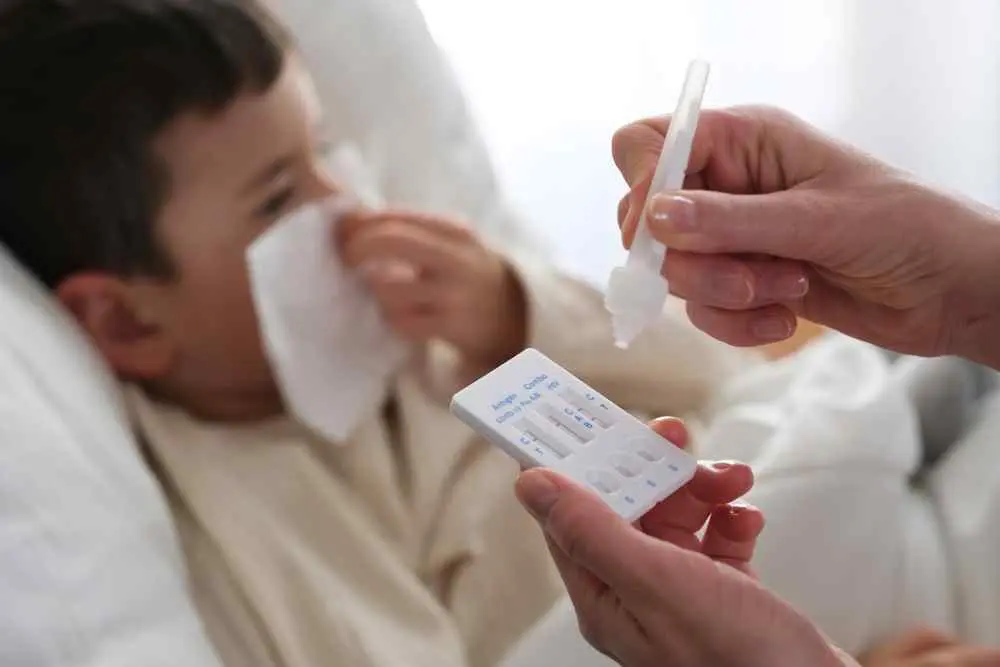
- Rapid antigen test
- X-ray of the chest to decay inflammation of the lungs
Common diagnostic tests and procedures
PCR is the best and most sensitive way of identifying RSV. Quick results are also achieved using rapid antigen tests especially in children. In extreme cases, the chest imaging or blood oxygen monitoring may be conducted to assess the lung functions.
Differentiating RSV from the Flu or COVID-19
Symptoms of RSV may appear similar to the flu or COVID-19 yet there are some differences. RSV usually presents with greater wheezing and breathing challenges, particularly in infants whereas COVID-19 and influenza can be characterized by higher fevers and myalgia. The only sure method that can be used to differentiate between these infections is through laboratory tests.
RSV Treatment
RSV does not have any special cure, nevertheless, the treatment is aimed at symptom alleviation and complications prevention. Rest and hydration can help to manage most of the cases at home.
Treatment options include:
- Sufficient fluid that will help avoid dehydration
- Naresaline sprays or humidized air
- Antipyretics
- Home oxygen therapy of severe cases
- IV fluid or ventilated care in the hospital
RSV Vaccines and Prevention
RSV prevention focuses on vaccines, hygiene, and minimizing exposure. Recently, several vaccines and monoclonal antibody treatments have been approved to protect vulnerable populations.
Preventive measures include:
- Frequent handwashing and surface disinfection
- Avoiding close contact with sick individuals
- Covering coughs and sneezes
- Using approved RSV vaccines or antibodies for high-risk groups
RSV in Infants and Children
RSV causes a significant bronchiolitis and pneumonia among young children. It tends to be transmissible at daycare centers and homes. The ability to monitor the initial symptoms and hygiene is the important factor to prevent the severe illness.
If you or your loved ones are experiencing symptoms of RSV or an immune gap–related respiratory issue, contact us today for expert guidance and personalized care.


