


 Let Us Call You


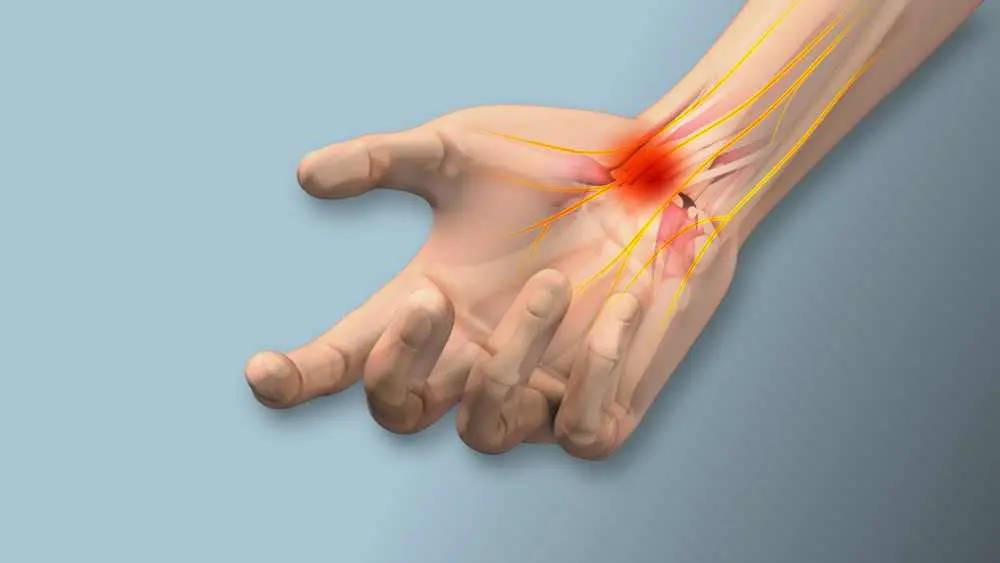
Carpal Tunnel Syndrome (CTS) is a common condition that occurs as a result of compression of the median nerve at the wrist, leading to painful numbness and tingling in the hand and fingers. It may also cause symptoms such as wrist pain and weakness. To achieve full restoration of hand function, effective treatment ranging from supportive devices to surgical intervention is of vital importance.
Key Takeaways
- Carpal Tunnel Syndrome (CTS) occurs as a result of compression of the median nerve at the wrist and most commonly presents with numbness, tingling, pain, and reduced hand strength.
- Diagnostic methods include clinical examination, physical tests (Tinel’s and Phalen’s tests), and, when necessary, imaging and diagnostic studies such as EMG, NCS, ultrasound, or MRI.
- Treatment options for mild to moderate cases include wrist splinting, medications, injections, and ergonomic adjustments, while surgical treatment may provide lasting relief in advanced cases.
- With appropriate exercises and proper care, recovery can be accelerated both before and after surgery, helping to preserve hand function.
What is Carpal Tunnel Syndrome?
Defining carpal tunnel syndrome icd 10 involves recognizing this prevalent entrapment neuropathy that affects the wrist and hand. Carpal Tunnel Syndrome (CTS) is caused by increased pressure on the median nerve, which travels through the carpal tunnel a narrow passageway located on the palm side of the wrist. When the tissues and tendons surrounding the nerve become inflamed or swell, the space decreases, leading to nerve compression and the characteristic neurological symptoms.
Carpal Tunnel Syndrome Symptoms
Recognizing the distinct pattern of carpal tunnel syndrome symptoms is vital for an accurate initial assessment. These symptoms generally start subtly and can often wake the individual from sleep.
- Numbness or tingling in the thumb, index, middle, and half of the ring finger
- Burning or aching pain that may travel up the forearm
- Weak grip strength
- Difficulty performing fine motor tasks
- Sensation of hand swelling
Carpal Tunnel Syndrome Test
While physical tests are often diagnostic, imaging studies like carpal tunnel syndrome ultrasound can non-invasively visualize the extent of median nerve swelling. Diagnosis typically includes a review of the patient's medical history and a physical examination to test the sensation and strength of the hand and wrist.
- Tinel's Sign (tapping over the nerve)
- Phalen's Test (forced wrist flexion)
- Nerve Conduction Studies (NCS) to measure nerve speed
- Electromyography (EMG) to assess muscle function
- Carpal tunnel syndrome mri to evaluate complex anatomical issues
Carpal Tunnel Syndrome Treatments
A conservative approach, tailored to the individual's severity, constitutes the initial carpal tunnel syndrome treatments plan for most mild to moderate cases. The goal is always to reduce inflammation and relieve pressure on the median nerve without resorting to surgery.
- Wrist splinting (especially at night)
- NSAIDs (Nonsteroidal anti-inflammatory drugs)
- Corticosteroid injections
- Activity and ergonomic modifications
Carpal Tunnel Syndrome Surgery
When non-surgical efforts fail, surgery becomes the necessary carpal tunnel syndrome treatment to provide lasting relief from severe nerve compression. Carpal tunnel release surgery involves cutting the transverse carpal ligament, which effectively enlarges the tunnel and releases the pressure on the median nerve. This outpatient procedure is performed either through an open incision (Open Release) or using a tiny camera (Endoscopic Release).
Before and after carpal tunnel syndrome surgery
Implementing a routine of carpal tunnel syndrome self-care is paramount for optimizing recovery and ensuring the best surgical outcome. Prior to surgery, patients must clearly communicate all medications, especially blood thinners. Following the procedure, patients must meticulously care for the incision site, avoid heavy lifting or strong gripping for several weeks, and attend prescribed physical therapy sessions to regain full strength and mobility.
Carpal Tunnel Syndrome Exercises
Engaging in specific, gentle exercises is crucial for both non-surgical management and post-operative recovery from carpal tunnel syndrome. These exercises focus on median nerve gliding and tendon mobility within the wrist.
- Nerve gliding exercises (to aid smooth nerve movement)
- Tendon stretching exercises
- Gentle range-of-motion activities
- Gradual hand-strengthening exercises
This content is for informational purposes only and is not a substitute for medical advice. If you’re experiencing any of these symptoms, please contact us for professional help.
Which medical department should be consulted for Carpal Tunnel Syndrome?
In cases of suspected Carpal Tunnel Syndrome, patients should apply to the Department of Orthopedics and Traumatology. The diagnostic and treatment process is planned by this department; if deemed necessary, a multidisciplinary evaluation may be conducted in collaboration with related specialties such as Neurology or Neurosurgery.


