


 Let Us Call You


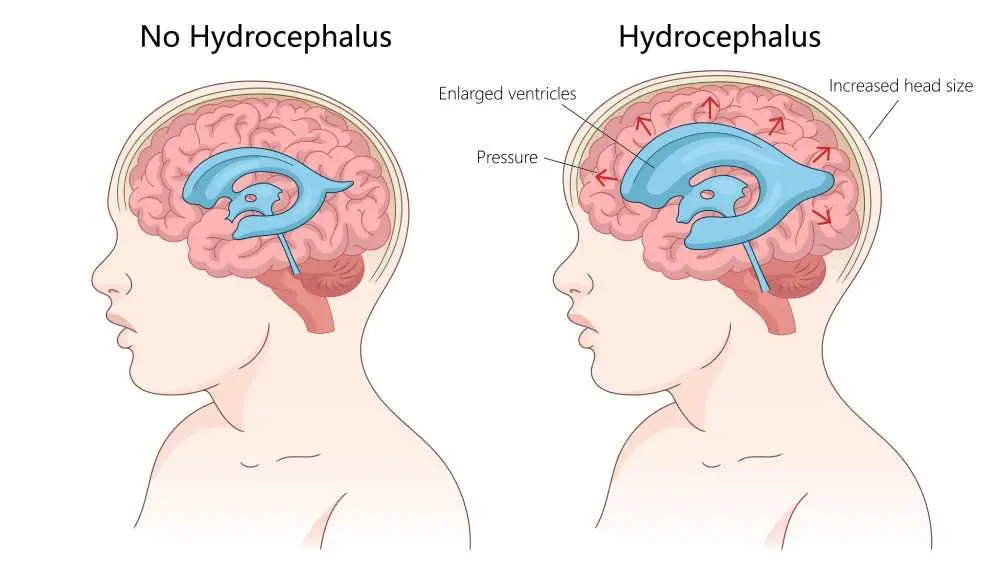
Hydrocephalus definition refers to a complex neurological condition characterized by the abnormal buildup of cerebrospinal fluid (CSF) in the brain's ventricles, causing them to enlarge and place damaging pressure on brain tissue.
This condition, often termed "water on the brain," is not caused by water but by the excess CSF, a clear fluid vital for cushioning the brain and spinal cord, delivering nutrients, and removing waste. Untreated, hydrocephalus can lead to significant physical and cognitive impairments, or death.
What is Hydrocephalus?
Hydrocephalus is defined as the abnormal accumulation of fluid in the brain. The accumulated fluid is cerebrospinal fluid, a clear and colorless fluid that surrounds the brain and spinal cord. The body produces the required amount of cerebrospinal fluid each day and normally ensures that an equal amount is absorbed. However, depending on certain factors, cerebrospinal fluid may accumulate, leading to increased pressure within the skull. Due to this increased pressure, normal brain function may be adversely affected.
Types of Hydrocephalus
The classification of hydrocephalus often depends on where the CSF flow is blocked or absorbed, which is a key area of study in hydrocephalus radiopaedia. Hydrocephalus is broadly categorized into communicating and non-communicating (obstructive) types, and also by its onset (congenital or acquired).
Communicating Hydrocephalus
Occurs when the CSF flow is blocked after it leaves the ventricles but can still flow freely between them. This is typically due to a problem with CSF absorption into the bloodstream (often secondary to inflammation or scarring).
Non-communicating (Obstructive) Hydrocephalus
Occurs when the CSF flow is blocked along one or more of the narrow passages connecting the ventricles, preventing the fluid from moving further down the ventricular system.
Normal Pressure Hydrocephalus (NPH)
A form of communicating hydrocephalus, most common in older adults, characterized by enlarged ventricles but with little or no change in intracranial pressure.
Hydrocephalus Symptoms
The hydrocephalus symptoms vary dramatically depending on the patient's age, the cause of the fluid buildup, and the speed at which the fluid accumulates. Since infants have flexible skull sutures, the primary sign is usually head enlargement, while adults experience symptoms related to increased intracranial pressure.
Symptoms in Infants:
- Rapid increase in head circumference
- An unusually large head
- A bulging or tense soft spot (fontanel) on the top of the head
- Vomiting and irritability
- Downward deviation of the eyes ("sunsetting")
- Sleepiness or sluggishness
Symptoms in Older Children and Adults:
- Severe headache, often worse upon waking
- Nausea and vomiting
- Blurred or double vision
- Difficulty with balance or coordination
- Changes in personality or concentration
- Loss of bladder control
Hydrocephalus Causes
The causes of hydrocephalus are diverse, ranging from congenital defects to acquired injuries and diseases, sometimes leading to conditions like hydrocephalus ex vacuo. This specific phenomenon is not a true hydrocephalus resulting from an imbalance in CSF flow, but rather a result of brain tissue shrinkage (atrophy) due to stroke or degenerative disease, which causes the ventricles to enlarge to fill the extra space. True hydrocephalus causes include:
Congenital (Present at Birth)
Genetic abnormalities or developmental disorders (e.g., spina bifida), or aqueductal stenosis (narrowing of the aqueduct of Sylvius).
Acquired (Develops Later in Life)
- Subarachnoid or intraventricular hemorrhage (bleeding in the brain)
- Central nervous system infections (e.g., bacterial meningitis)
- Brain or spinal cord tumors that obstruct CSF flow
- Traumatic head injury
Hydrocephalus in Adults
For adults experiencing new or worsening symptoms, diagnostic imaging, including hydrocephalus mri, is crucial for distinguishing hydrocephalus from other conditions that cause similar cognitive or gait issues, such as Alzheimer's disease or Parkinson's disease. Common symptoms in adults, particularly in those over 60, often involve a classic triad of symptoms associated with Normal Pressure Hydrocephalus (NPH).
- Progressive difficulty walking (gait disturbance, often described as shuffling)
- Impairment of cognitive function (memory loss or mild dementia)
- Loss of bladder control or frequent urination
Communicating Hydrocephalus
A diagnosis of communicating hydrocephalus radiology involves detailed imaging studies to confirm that the block is not within the ventricular system itself, meaning the CSF can still flow between the ventricles. In this type, the flow of CSF is impaired after it has exited the ventricles, often because the arachnoid granulations—the specialized structures responsible for absorbing CSF into the bloodstream—are scarred or inflamed. This leads to a fluid backup in the entire ventricular system.
Hydrocephalus Treatment
The primary goal of hydrocephalus treatment is to reduce and maintain healthy cerebrospinal fluid levels within the brain. The shunt procedure, which involves placing a flexible tube and a valve system, remains the most common and effective surgical intervention for most types of hydrocephalus by diverting the excess fluid to another part of the body, usually the abdominal cavity (ventriculoperitoneal shunt), where it can be absorbed.
Alternative surgical procedures, such as Endoscopic Third Ventriculostomy (ETV), can be used for specific types of obstructive hydrocephalus, creating a new pathway for CSF flow within the brain, thereby bypassing the need for a permanent hydrocephalus shunt in some cases.
Which department should be consulted for hydrocephalus?
In cases of hydrocephalus, diagnostic and treatment processes in children are managed by the Departments of Neurosurgery, Pediatrics, and Pediatric Neurology. In adults, diagnosis and treatment are carried out within the Departments of Brain, Nerve and Spinal Cord Surgery and Neurology.


