


 Let Us Call You


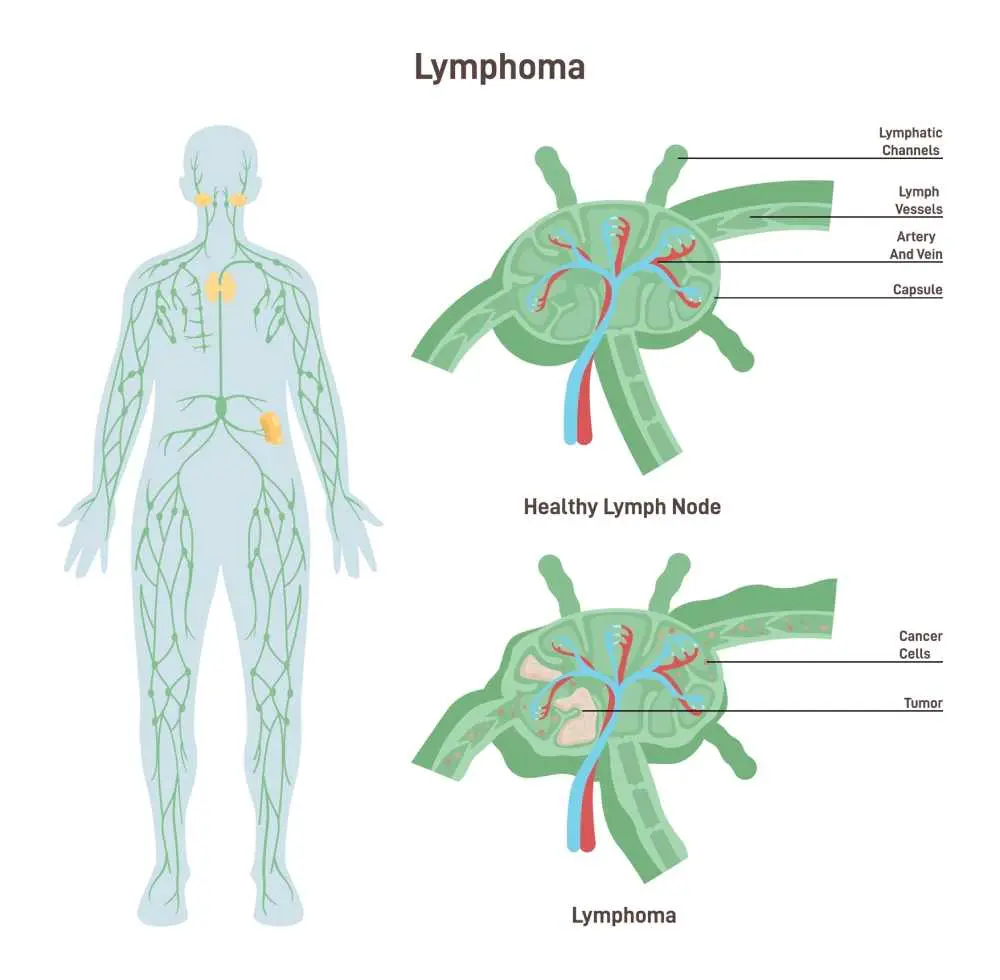
Lymphoma is a type of cancer that originates in the lymphatic system, which is the body’s infection-fighting network and includes the lymph nodes, spleen, thymus gland, and bone marrow. Since it begins in white blood cells, it is classified as a blood cancer. It may cause symptoms such as persistent fatigue, fever, and shortness of breath. Its treatment varies depending on the type of lymphoma.
What is Lymphoma?
Lymphoma cancer is a group of blood cancers that develop in white blood cells called lymphocytes, which are a vital part of the immune system. These abnormal cells begin to multiply uncontrollably, often gathering in the lymph nodes to form tumors. Because the lymphatic system runs throughout the entire body, this condition can affect various organs and tissues beyond just the immune glands.
What Causes Lymphoma?
Lymphoma causes are primarily linked to genetic mutations in the DNA of white blood cells that instruct them to grow and divide more rapidly than healthy cells. While the exact trigger for these mutations isn't always clear, certain risk factors include a weakened immune system, family history, and exposure to specific infections like the Epstein-Barr virus. Other potential contributors can involve environmental exposures or previous medical treatments that suppress immune function.
The causes of lymphoma can be listed as follows:
- A history of, or current infection with, HIV, Epstein–Barr virus (mononucleosis), or Kaposi sarcoma
- A family history of lymphoma
- A weakened immune system
- The presence of a known autoimmune disease
Lymphoma Symptoms
Symptoms of lymphoma often begin with painless swelling of the lymph nodes in the neck, armpits, or groin, which may go unnoticed for some time. Patients may also experience a variety of other physical signs, such as:
- Persistent fatigue and exhaustion
- Drenching night sweats
- Unexplained weight loss
- Recurrent fevers or chills
- Itchy skin or a persistent cough
Lymphoma Types
Lymphoma classification divides the disease into two main categories: Hodgkin lymphoma and non-Hodgkin lymphoma, based on the presence of specific Reed-Sternberg cells. Within these categories, there are over 70 different subtypes, which include:
- Follicular lymphoma: A typically slow-growing form of non-Hodgkin lymphoma that develops from B cells.
- B cell lymphoma: The most common type of non-Hodgkin lymphoma, involving the B-lymphocytes.
- T cell lymphoma: A category where the cancer starts in the T-lymphocytes.
- Burkitt lymphoma: A highly aggressive type of B-cell non-Hodgkin lymphoma that requires rapid treatment.
- Burkitt's lymphoma: Another common spelling for the same aggressive B-cell cancer often seen in children.
- Mantle cell lymphoma: A rare and often aggressive B-cell subtype that affects the outer edge of the lymph nodes.
- NH lymphoma cancer: A general shorthand for non-Hodgkin lymphoma, which comprises the majority of cases.
What are the Diagnostic Methods for Lymphoma?
Following a physical examination and a review of the patient’s medical history, a tissue biopsy may be performed for pathological evaluation. This allows a definitive diagnosis of lymphoma to be established. Even if laboratory tests indicate findings suggestive of lymphoma, imaging studies are also utilized as part of the diagnostic process.
Lymphoma diagnostic methods can be listed as follows:
- Complete blood count (CBC)
- Erythrocyte sedimentation rate (ESR)
- Lactate dehydrogenase (LDH)
- Liver and kidney function tests
- Serum protein electrophoresis (SPEP)
- Computed tomography (CT) scan
- Positron emission tomography (PET) scan
Lymphoma Treatment
Lymphoma symptoms are managed through various medical strategies designed to kill cancer cells and prevent them from spreading further. For some slow-growing cases, a "watch and wait" approach may be used, but more active treatments often include:
- Chemotherapy to destroy fast-growing cells
- Radiation therapy to target specific tumor sites
- Immunotherapy to help the immune system recognize cancer
- Targeted therapy to block specific proteins that help the cancer grow
- Stem cell or bone marrow transplants for advanced cases
This content is for informational purposes only and is not a substitute for medical advice. If you’re experiencing any of these symptoms, please contact us for professional help.
Which department treats lymphoma?
In cases where lymph cancer or lymphoma is suspected, patients should apply to the Hematology department of the hospital.
Why choose lymphoma cancer treatments in turkey?
Turkey provides advanced oncology expertise and modern treatment facilities for lymphoma patients. Cancer treatment in Turkey is recognized for its high medical standards and internationally aligned care approaches.


