


 Let Us Call You


Dyspnea is the sensation of insufficient air intake. This condition can range from mild discomfort to life-threatening severity. Although it is not considered a disease in itself, it is a symptom of an underlying medical condition. It may develop suddenly or progress gradually over time. Shortness of breath that occurs during exercise may be considered physiological; however, when it occurs at rest, it should be regarded as a serious clinical sign. When accompanied by chest pain, cyanosis, or altered consciousness, immediate medical intervention may be required.
Key Takeaways
- Dyspnea (shortness of breath) is not a disease in itself; rather, it is typically a symptom of an underlying cardiac, pulmonary, or systemic condition.
- Shortness of breath that develops suddenly and is accompanied by chest pain or cyanosis requires urgent medical evaluation.
- Smoking cessation along with proper control of chronic diseases play a key role in prevention.
What is Dyspnea (Shortness Of Breath)?
Dyspnea, also referred to as shortness of breath, is a distressing respiratory sensation characterized by a perceived inability to obtain sufficient air. While it may be considered physiological during physical exertion, its occurrence at rest or during mild activity may indicate an underlying cardiac, pulmonary, or systemic disorder.
Dyspnea may develop suddenly (acute) or present as a chronic condition that progresses over weeks or months. Its severity varies among individuals; in some cases, it causes mild discomfort, whereas in others, it may result in significant respiratory compromise.
What are paroxysmal nocturnal dyspnea (PND) and sighing dyspnea?
Paroxysmal nocturnal dyspnea (PND) is a condition in which an individual awakens suddenly at night with severe shortness of breath and is most commonly associated with heart failure. Sighing dyspnea, on the other hand, is characterized by a frequent need to take deep breaths and is typically linked to anxiety or stress.
What is the difference between dyspnea and shortness of breath?
Dyspnea is a medical term, whereas shortness of breath is the everyday expression used to describe the same condition. Both terms refer to difficulty in breathing; however, dyspnea is generally used in clinical evaluations.
What are acute and chronic dyspnea?
Acute dyspnea is the sudden onset of shortness of breath developing within minutes or hours and may often require urgent medical intervention. Chronic dyspnea, on the other hand, refers to persistent or progressively worsening difficulty in breathing that continues over weeks or months.
Who Gets Dyspnea?
Dyspnea can occur in all age groups; however, it is more frequently observed in older adults, as the prevalence of cardiac and pulmonary diseases increases with age.
- Individuals with chronic conditions such as asthma, chronic obstructive pulmonary disease (COPD), heart disease, or obesity are more prone to experiencing shortness of breath.
- The risk of dyspnea is also significantly higher among smokers and individuals exposed to air pollution.
- In addition, psychogenic shortness of breath may be observed in individuals with anxiety disorders.
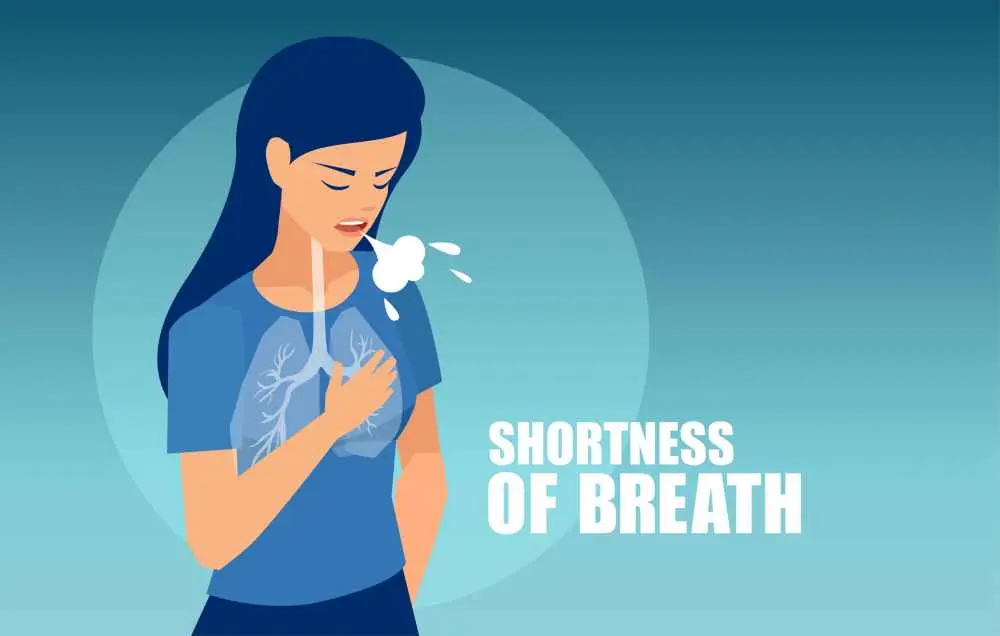
What are the Signs of Dyspnea?
Symptoms of dyspnea manifest as noticeable changes in both the rate and quality of breathing and are often accompanied by a sense of restlessness. The individual may describe a feeling of tightness or pressure in the chest and may have difficulty completing sentences while speaking. In severe cases, cyanosis of the lips and sweating may occur.
Symptoms of shortness of breath include:
- Rapid and shallow breathing
- A sensation of chest tightness
- Wheezing or a whistling sound during inhalation
- Inability to sustain speech due to breathlessness
- Cyanosis of the lips or fingertips
What Causes Shortness of Breath (Dyspnea)?
Shortness of breath occurs when the lungs are unable to obtain sufficient oxygen or when the body’s oxygen demand increases, and it may develop due to a variety of underlying causes. Situations such as physical exertion, high altitude, or intense stress can lead to temporary dyspnea. However, cardiac and pulmonary disorders are among the most common causes.
Common causes include:
- Asthma attacks
- Chronic obstructive pulmonary disease (COPD)
- Heart failure
- Pulmonary infections (such as pneumonia)
- Anxiety and panic attacks
- Anemia
How Do I Know What’s Causing My Shortness of Breath?
To determine the underlying cause of shortness of breath, the onset, duration, and accompanying symptoms must be carefully evaluated. Dyspnea that begins suddenly and is associated with chest pain may indicate an acute cardiac or pulmonary condition requiring urgent attention. In contrast, long-standing breathlessness is often related to a chronic disease. Clinical examination, chest radiography, blood tests, and pulmonary function tests are instrumental in establishing the diagnosis.
Diagnostic methods include:
- Physical examination
- Chest X-ray
- Blood tests
- Pulmonary function testing
- Electrocardiography (ECG)
How is Shortness of Breath (Dyspnea) Treated?
The treatment of dyspnea is planned according to the underlying cause and may vary from patient to patient. In conditions such as asthma or chronic obstructive pulmonary disease (COPD), inhaled medications are commonly prescribed, whereas different medical therapies are implemented in cases of heart failure.
Treatment options for shortness of breath may include:
- Inhaled medications
- Oxygen therapy
- Antibiotics
- Cardiac medications
- Weight management and smoking cessation
How Can I Prevent Shortness of Breath?
To prevent shortness of breath, it is essential to maintain effective control of underlying medical conditions. Smoking cessation, regular physical activity, and a balanced diet can help improve respiratory capacity. Individuals with chronic diseases should not neglect routine medical follow-up.
Ways to reduce the risk of dyspnea include:
- Quitting smoking
- Engaging in regular exercise
- Maintaining a healthy weight range
- Monitoring chronic conditions consistently
- Receiving influenza and pneumococcal vaccinations
This content is for informational purposes only and is not a substitute for medical advice. If you’re experiencing any of these symptoms, please contact us for professional help.
Which medical department should you visit for dyspnea (shortness of breath)?
In cases of severe or persistent shortness of breath, a specialist in pulmonology (chest diseases) or cardiology should be consulted.


