


 Let Us Call You


Ovarian Cancer is a complex and serious ovarian cancer disease that begins in the female reproductive organs, specifically the ovaries, which are responsible for producing eggs and hormones like estrogen and progesterone. Because the ovaries are located deep within the pelvic cavity, abnormal cell growth can often go undetected until the malignancy has spread to the pelvis and abdomen.
This condition is often called the cancer that whispers because early warning signs are subtle and easily confused with common digestive or menstrual issues. Modern oncology emphasizes the importance of early detection and specialized surgical intervention to improve long-term health outcomes for women globally.
What is Ovarian Cancer?
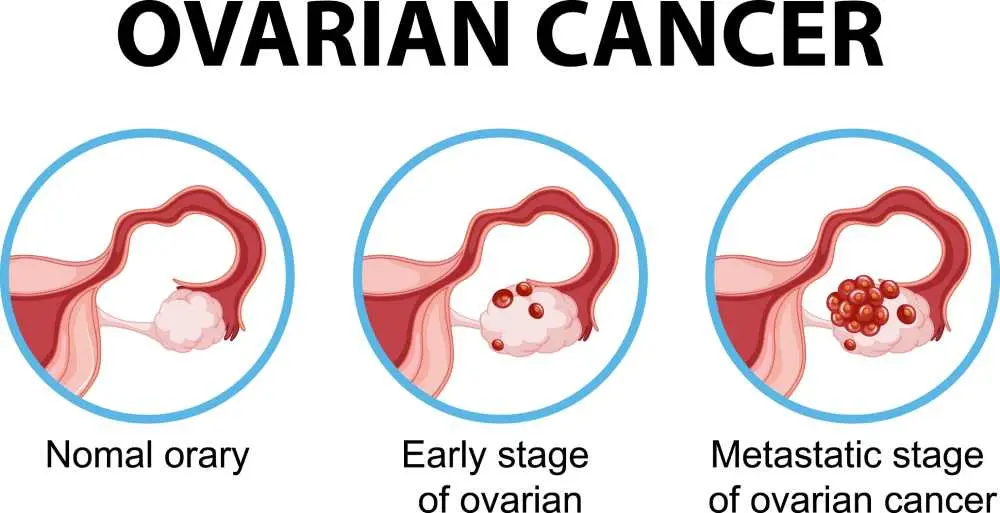
Ovarian cancer is the uncontrolled growth and spread of abnormal cells that originate in the ovaries or the fallopian tubes. The ovaries, which are part of the female reproductive system, are two round, walnut-sized organs. Throughout the reproductive years, they continue to produce eggs.
Ovarian Cancer Symptoms
Early ovarian cancer symptoms are often vague and intermittent, but recognizing the persistent symptoms of ovarian cancer is the first step toward a life-saving diagnosis. While many of these issues can be caused by non-cancerous conditions, you should consult a doctor if the following occur frequently:
- Persistent discomfort or pressure in the lower stomach area.
- Feeling full quickly or having difficulty eating even small meals.
- An increased or sudden need to urinate more often than usual.
- New or worsening indigestion, gas, or constipation that does not resolve.
Signs Of Ovarian Cancer
Physical signs of ovarian cancer may be difficult for a patient to feel manually, but observing specific ovarian cancer signs through bodily changes can provide critical clues. As the tumor grows, it can impact surrounding organs and metabolic processes, leading to:
- A visible increase in waist size or clothes fitting tighter around the midsection.
- Unintentional weight loss or, in some cases, weight gain due to fluid buildup (ascites).
- A significant change in bowel habits, such as chronic constipation or diarrhea.
- Persistent aching in the lower back that is not linked to physical strain.
What Causes Ovarian Cancer?
A neoplasm ovarian cancer develops when genetic mutations cause healthy cells to grow and multiply uncontrollably, a condition that is medically coded under the ovarian cancer icd 10 classification system. While the exact trigger for these mutations is not always known, researchers have identified several risk factors that contribute to the development of the disease:
- Genetic Predisposition: Inherited gene changes, such as mutations in BRCA1 or BRCA2.
- Age: The risk increases significantly as women get older, with most cases diagnosed after menopause.
- Reproductive History: Starting menstruation at an early age, late menopause, or never having been pregnant.
- Family History: Having close relatives who have had ovarian, breast, or colon cancer.
Ovarian Cancer Diagnostic Methods
A diagnosis of ovarian cancer typically starts with a physical examination and a review of the patient's medical history to evaluate any persistent symptoms. Because there is no standard screening test for this condition, doctors rely on a multi-step approach to identify abnormal growths and determine if they are malignant:
- Pelvic Examination: A doctor manually checks the ovaries and uterus to detect any unusual masses, tenderness, or enlarged organs.
- Imaging Tests: A transvaginal ovarian cancer ultrasound is frequently the first tool used to create detailed images of the pelvic organs and differentiate between solid tumors and fluid-filled cysts.
- Blood Tests: Laboratory analysis measures levels of CA-125, a protein that can be elevated in the presence of ovarian malignancy, though it is used in combination with other tests for accuracy.
- Surgical Biopsy: The only definitive way to confirm the disease is through a surgical procedure, such as a laparoscopy, where a tissue sample is removed and examined by a pathologist for cancerous cells.
Ovarian Cancer Types
The most common form of this malignancy is epithelial ovarian cancer, which accounts for about 90 percent of cases and begins in the thin layer of tissue that covers the outside of the ovaries.
Other, rarer types include germ cell tumors, which start in the egg-producing cells and are more common in younger women, and stromal tumors, which develop in the hormone-producing structural tissue of the ovary. Identifying the specific cellular type is crucial because each variety responds differently to various therapeutic approaches.
Ovarian Cancer Treatment
While a complete ovarian cancer cure remains the ultimate goal of oncology, the process requires an accuratediagnosis of ovarian cancer followed by detailed ovarian cancer staging to determine the most effective path forward. Treatment is highly individualized and usually involves a combination of the following methods:
- Surgery: The primary treatment, involving the removal of the ovaries, fallopian tubes, uterus, and nearby lymph nodes to eliminate as much of the tumor as possible.
- Chemotherapy: The use of powerful drugs, often administered intravenously or directly into the abdomen, to kill remaining cancer cells.
- Targeted Therapy: Specialized medications that identify and attack specific weaknesses within the cancer cells themselves.
- Hormone Therapy: Using drugs to block hormones that may be helping certain types of ovarian tumors grow.
Which medical department should be consulted for ovarian cancer?
An initial ovarian cancer ultrasound or pelvic exam is typically performed by a gynecologist, but if cancer is suspected, you should be referred to a gynecologic oncologist. This specialized department focuses exclusively on cancers of the female reproductive system and provides the highest level of surgical and medical expertise.