


 Let Us Call You


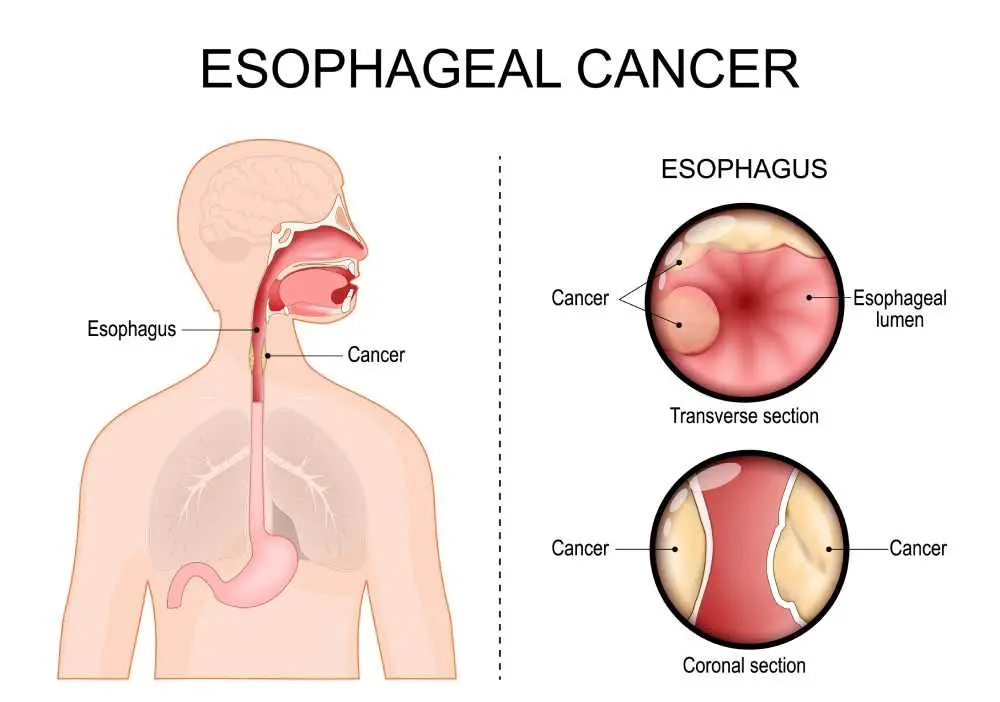
Esophageal cancer is a serious malignancy that occurs in the esophagus the hollow, muscular tube responsible for moving food and liquids from the throat to the stomach.
While it was once a relatively rare condition, its incidence has been rising, particularly the adenocarcinoma subtype which is often linked to chronic acid reflux.Because the esophagus is flexible, tumors can often grow quite large before they cause noticeable obstruction, making awareness of early changes vital for a positive health outcome.
What is Esophageal Cancer?
Esophageal cancer occurs when malignant cells develop in the esophagus and proliferate to form a tumor. The esophagus is known as a long, muscular tube that carries food from the throat to the stomach. Esophageal cancer is more commonly observed in men, and surgical removal of the cancerous tissue is generally performed as part of treatment. Other treatment options may include chemotherapy, radiotherapy, or a combination of both. Targeted therapies and immunotherapy may also be utilized.
Esophageal Cancer Symptoms
Most patients first notice esophageal cancer symptoms when they experience progressive difficulty swallowing, a condition medically known as dysphagia. While this often begins subtly, it typically progresses through several stages:
- Initially having trouble with solid foods like meat or bread, eventually leading to difficulty passing liquids.
- Significant dropping of pounds because the individual cannot consume enough calories.
- A persistent feeling that food is "stuck" in the chest or throat area.
- Uncomfortable sensations in the chest that are often mistaken for heartburn.
Signs of Esophageal Cancer
The clinical esophageal cancer icd 10 classification (C15) covers various locations of the tube where a physician might identify objective physical indicators of the disease. Beyond reported discomfort, clinical signs include:
- Respiratory Changes
- Regurgitation
- Frequent Hiccups
- Gastrointestinal Bleeding
Esophageal Cancer Causes
While the exact trigger for every case is unknown, common esophageal cancer causes involve long-term irritation of the esophageal lining. The primary risk factors contributing to cellular mutations include:
- Long-term acid reflux that can lead to Barrett's esophagus.
- Heavy alcohol consumption and long-term tobacco use.
- A diet low in fruits and vegetables or frequently consuming very hot liquids.
- Increased body weight which often exacerbates reflux and inflammatory processes.
Esophageal Cancer Diagnostic Methods
An accurate esophageal cancer prognosis depends heavily on using advanced tools to visualize the tumor and determine its specific cell type. The primary diagnostic tool is an upper endoscopy, where a thin, flexible tube with a camera is passed down the throat to allow the doctor to inspect the lining and take tissue samples.
If cancer is confirmed, additional imaging like endoscopic ultrasound is used to see how deeply the tumor has penetrated the esophageal wall. These steps are essential to differentiate between squamous cell carcinoma and adenocarcinoma.
Esophageal Cancer Treatment
A comprehensive plan for esophageal cancer staging is the foundation for selecting the most effective combination of therapies for each patient. Depending on how far the disease has progressed, treatment may involve a "multimodal" approach, combining chemotherapy and radiation therapy to shrink the tumor before any invasive intervention.
For some patients, immunotherapy or targeted drug therapies are used to help the immune system identify and attack cancer cells more effectively. The goal is always to maximize the chance of cure while preserving the patient’s ability to eat and swallow.
Esophageal Cancer Surgery
Esophageal cancer survival rate statistics have improved significantly with refined techniques in esophagectomy, the surgical removal of part or all of the esophagus. During this complex procedure, the surgeon removes the diseased portion of the tube and typically reconstructs the digestive tract by pulling the stomach up into the chest or neck to create a new connection.
In many modern medical centers, these operations are performed using minimally invasive or robotic-assisted methods, which can lead to shorter hospital stays and a faster recovery period compared to traditional open surgery.
Which medical department should be consulted for Esophageal Cancer?
Patients should consult the Gastroenterology department for initial diagnosis and then work with a multidisciplinary team involving Oncology and Thoracic Surgery for specialized care.


