


 Let Us Call You


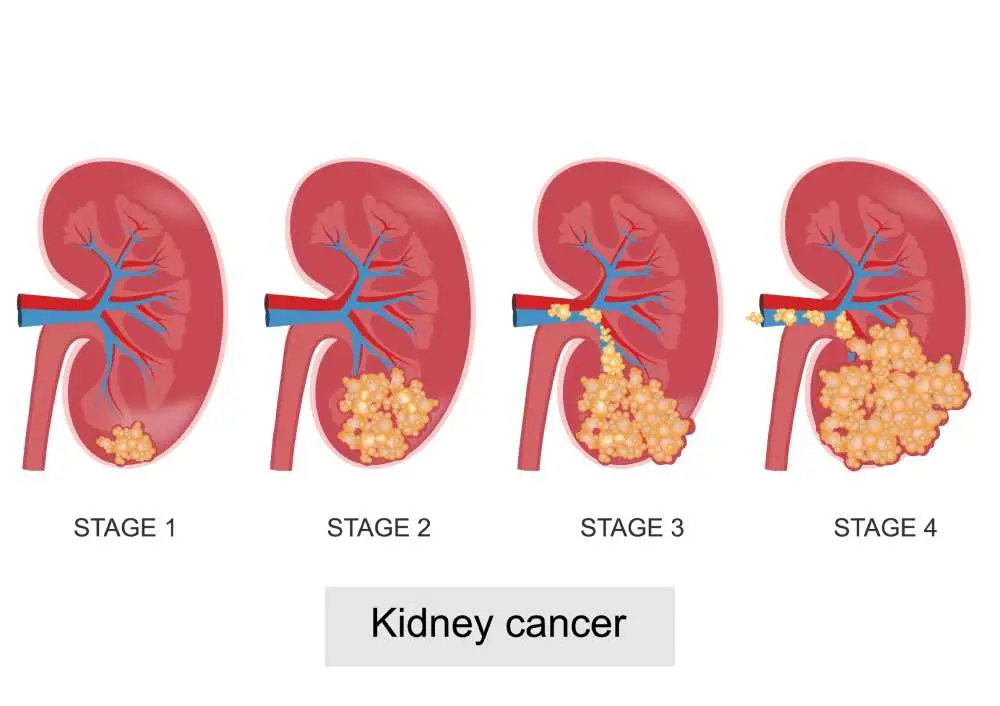
This disease begins when healthy cells in one or both kidneys change and grow out of control, forming a mass called a tumor. These bean-shaped organs, located just below your ribcage on each side of your spine, are responsible for filtering waste products, excess water, and salt from your blood to produce urine. When malignant cells disrupt this process, the resulting tumor can impair kidney function and, if left untreated, potentially spread to other parts of the body, making early detection vital for a successful recovery.
What is Kidney Cancer?
The term kidney cancer encompasses several types of malignancies that originate in the renal tissues, affecting the body's essential filtration system. Most cases start in the lining of the tiny tubes (tubules) within the kidney, which are responsible for cleaning the blood. While the disease often develops in a single kidney, it can occasionally affect both, and it is classified by how the cells appear under a microscope and how far they have progressed into the surrounding tissue.
Types of Kidney Cancer
While renal cell carcinoma (RCC) is the most common form, accounting for about 90% of all cases, there are several other variations that specialists monitor. Transitional cell carcinoma begins in the renal pelvis where urine collects, while Wilms tumor is a specific type that primarily affects young children. Within the RCC category, the "clear cell" subtype is the most frequent, but other forms like papillary and chromophobe kidney cancer also exist, each requiring a slightly different clinical approach.
Kidney Cancer Causes
Research into kidney cancer causes suggests that the disease is generally linked to genetic mutations that occur over time, leading to the rapid and uncontrolled division of cells within the renal tubules.
- Smoking: Tobacco use significantly increases risk; the more you smoke, the higher the danger to your renal cells.
- Obesity: Excess body weight can cause hormonal changes that trigger the growth of malignant cells.
- Hypertension: Chronic high blood pressure is a known risk factor, regardless of whether it is being treated with medication.
- Family History: Genetic predispositions or inherited syndromes like von Hippel-Lindau disease can increase susceptibility.
- Environmental Exposure: Long-term contact with chemicals like cadmium or specific organic solvents used in industry.
Kidney Cancer Symptoms
The primary kidney cancer symptoms often do not appear in the early stages, but as the tumor grows, patients may notice persistent pain in the side or back.
- Hematuria: The presence of blood in the urine, which may appear pink, red, or the color of cola.
- Flank Pain: A dull ache or sharp pain in the side or lower back that does not go away.
- Fatigue: Feeling extremely tired or having no energy despite getting enough rest.
- Unexplained Weight Loss: Dropping pounds rapidly without a change in diet or exercise habits.
- Persistent Fever: A high temperature that is not caused by a cold, flu, or other known infection.
Signs Of Kidney Cancer
Certain signs of kidney cancer can be detected during a physical exam or through clinical observations when the body begins to react to the tumor's presence.
- Palpable Mass: A noticeable lump or swelling that can be felt in the side, abdomen, or lower back area.
- Anemia: A low red blood cell count caused by the tumor interfering with the kidney's ability to produce necessary hormones.
- Hypercalcemia: Abnormally high calcium levels in the blood, which can be triggered by the tumor's metabolic activity.
- Varicocele: A sudden swelling of the veins in a male's testicle, typically on the right side, suggesting a tumor may be obstructing blood flow.
- Systemic Changes: Rapid, unexplained weight loss and a persistent loss of appetite that occurs without changes in diet.
- Recurrent Fever: Fevers that come and go but are not linked to a common cold, flu, or other viral infections.
Kidney Cancer Treatment
Modern renal cell carcinoma treatment plans are highly individualized and depend on the stage of the tumor, its location, and the patient's overall health.
- Partial Nephrectomy: Surgery to remove only the tumor and a small margin of healthy tissue, sparing the rest of the kidney.
- Radical Nephrectomy: The surgical removal of the entire kidney, often including the adrenal gland and surrounding lymph nodes.
- Thermal Ablation: Using extreme heat (radiofrequency ablation) or cold (cryoablation) to destroy small tumors without invasive surgery.
- Targeted Therapy: Medications that "target" the specific signals that allow cancer cells to grow and divide.
- Immunotherapy: Treatments that help your body’s own immune system recognize and attack the cancer cells more effectively.
Frequently Asked Questions About Kidney Cancer
Is kidney cancer curable?
Kidney cancer is highly curable when detected in its early stages while the tumor is still confined to the organ, primarily through surgical intervention.
What are the first signs of kidney cancer?
Signs of kidney cancer such as blood in the urine or a persistent ache in the flank are often the earliest indicators that lead to a diagnosis.
How long can kidney cancer go undetected?
Cancer kidney cancer can grow slowly for years without causing any noticeable pain until the tumor becomes large enough to affect surrounding tissues.
What is the life expectancy of a person with multiple myeloma?
Kidney cancer survival rate discussions show that the five-year survival rate for localized kidney cancer is around 93 percent, reflecting a positive outlook with early detection.
What is the last stage of kidney cancer?
Cancer of the kidney causes the disease to enter Stage IV when the malignancy spreads beyond the renal system to distant organs like the lungs or bones.
What are the risk factors for kidney cancer?
Kidney cancer symptoms are more likely to develop in individuals with a history of smoking, chronic hypertension, or genetic predispositions such as VHL syndrome.
Which department should be consulted for kidney cancer?
In cases of suspected kidney cancer, the first department to be consulted for accurate diagnosis and evaluation is Urology. Diagnostic assessment, surgical evaluation, and treatment planning are conducted by the urology department, and when deemed necessary, the process may proceed in a multidisciplinary manner in collaboration with Medical Oncology.


