


 Let Us Call You


Metabolic syndrome is a cluster of conditions that occur together, increasing your risk of heart disease, stroke, and type 2 diabetes. While each individual condition—such as high blood pressure or high blood sugar—is a serious health concern on its own, having them in combination creates a much higher risk for life-threatening cardiovascular events. Early identification is crucial because most of the underlying factors can be managed or improved with dedicated medical care and lifestyle changes.
What is Metabolic Syndrome?
The metabolic syndrome meaning refers to a complex biochemical state where the body struggles to process energy, leading to a dangerous intersection of high blood pressure, high blood sugar, and abnormal cholesterol levels.
Unlike a single disease with a single cause, this condition is a multifaceted disorder closely linked to obesity and insulin resistance. It essentially acts as a warning sign from the body that the metabolism is under severe stress and requires immediate intervention.
Metabolic Syndrome Symptoms
Most of the symptoms of metabolic syndrome are invisible to the naked eye, meaning a person can feel perfectly healthy while their internal systems are struggling. Because conditions like high blood pressure or high cholesterol often have no outward signs, regular medical screenings are the only way to detect the problem early. However, there are physical indicators and clinical markers that doctors look for:
- Large Waistline: Excess fat in the abdominal area is the most visible sign of metabolic dysfunction.
- High Blood Sugar: Feelings of increased thirst, blurred vision, or fatigue may occur if glucose levels are significantly elevated.
- Acanthosis Nigricans: Darkened, velvety patches of skin, usually found on the neck or armpits, which signal insulin resistance.
- Physical Inactivity: While not a symptom, a sedentary lifestyle often accompanies the development of these metabolic markers.
What Are The Five Signs of Metabolic Syndrome?
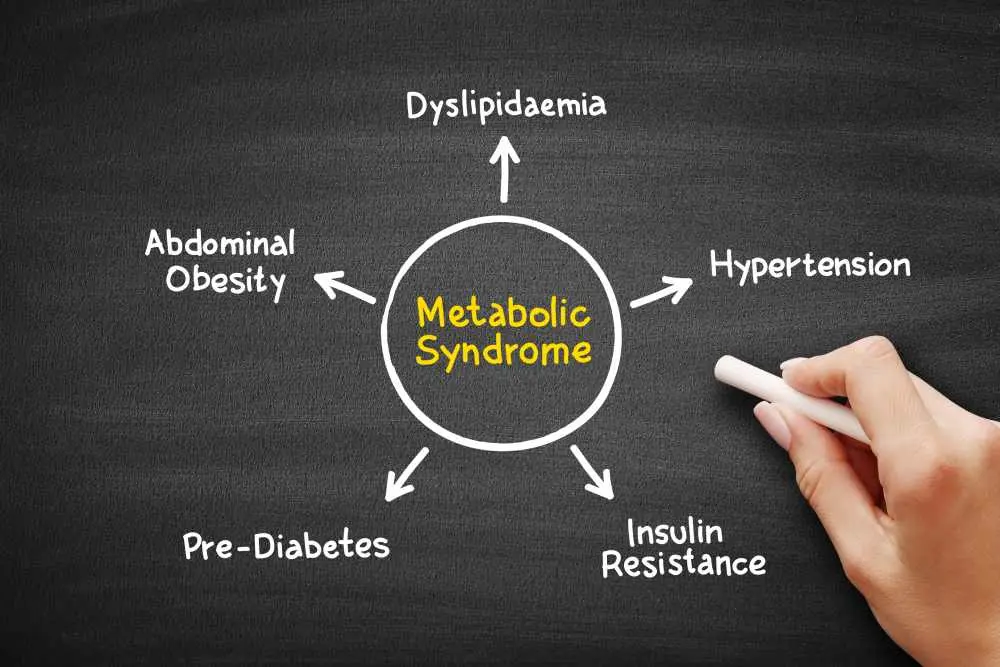
A clear metabolic syndrome definition involves the presence of at least three of the five specific medical signs that indicate a high risk for cardiovascular disease. These clinical markers are used by healthcare professionals worldwide to categorize patients who require aggressive preventative care. The five specific signs include:
- Abdominal Obesity: A waist circumference of more than 40 inches for men and 35 inches for women.
- High Triglycerides: A level of 150 mg/dL or higher in the blood.
- Low HDL Cholesterol: "Good" cholesterol levels less than 40 mg/dL in men or 50 mg/dL in women.
- High Blood Pressure: Consistent readings of 130/85 mmHg or higher.
- High Fasting Blood Sugar: A glucose level of 100 mg/dL or higher.
Metabolic Syndrome Diagnostic Criteria
The official metabolic syndrome diagnostic criteria require a patient to meet at least three of the five clinical thresholds mentioned above to confirm a diagnosis. Physicians use these specific measurements to differentiate between general obesity and a more dangerous metabolic imbalance. In clinical settings and insurance documentation, the metabolic syndrome icd 10 code E88.81 is used to formally record this condition in a patient's medical history.
Metabolic Syndrome Treatment
Preventing serious metabolic syndrome diseases like heart attack and stroke is the primary goal of any medical treatment plan. Doctors emphasize that while medication can help control individual risk factors, the foundation of recovery is rooted in fundamental lifestyle shifts. A comprehensive treatment approach typically includes:
- Heart-healthy diet
- Regular exercise
- Weight loss
- Medication
- Smoking cessation
Frequently Asked Questions About Metabolic Syndrome
What are the five signs of metabolic syndrome?
The clinical syndrome metabolic criteria consist of a large waist circumference, high blood pressure, elevated fasting blood sugar, high triglycerides, and low HDL cholesterol levels.
What is the best treatment for metabolic syndrome?
Aggressive lifestyle changes including a nutrient-dense diet and consistent physical activity are considered the most effective ways to manage and resolve the condition.
What causes metabolic disorders?
Most metabolic issues are caused by a combination of genetic factors, physical inactivity, and a diet high in processed foods that leads to insulin resistance.
Is it possible to reverse metabolic syndrome?
Yes, many people can successfully reverse the diagnosis by losing weight and adopting a healthy lifestyle, which allows the body to regain its metabolic balance.
Which medical department should be consulted for metabolic syndrome?
You should primarily consult the Internal Medicine or Endocrinology department, as these specialists focus on hormones and the complex systems that regulate your metabolism.


