


 Let Us Call You


Internal Medicine, focuses on diagnosing and treating diseases that affect the internal organs of adult patients. It plays a key role in managing chronic conditions such as hypertension, diabetes, gastrointestinal disorders, and thyroid diseases. Specialists in this field assess the patient’s symptoms and may refer them to the appropriate department for further care.
As a primary point of evaluation, internal medicine is considered a critical unit in the healthcare process. Internal medicine specialists are often the first physicians to evaluate complex or unexplained symptoms and play a central role in coordinating long-term disease management.
Key Takeaways
- Internal Medicine diagnoses and treats a wide range of chronic and acute conditions, primarily involving the heart, kidneys, lungs, digestive system, and hormonal disorders.
- Based on the patient’s complaints, it conducts a comprehensive evaluation, plans the necessary diagnostic tests, and refers patients to the appropriate specialties when required.
- It ensures the regular follow-up and comprehensive management of long-term conditions such as hypertension, diabetes, high cholesterol, and thyroid diseases.
What is Internal Medicine?
Internal Medicine, this department is responsible for the diagnosis and management of a wide range of conditions affecting the kidneys, heart, digestive system, lungs, and even certain types of cancer. It also plays a key role in the follow-up and treatment of chronic diseases such as diabetes, hypertension, and high cholesterol. As one of the first departments patients typically consult based on their symptoms, it holds a crucial role in the diagnostic process. Internal medicine specialists manage both chronic illnesses and acute symptoms that may require immediate evaluation.
Internal medicine focuses exclusively on adult patients and differs from family medicine by managing complex chronic diseases, multi-system disorders, and long-term follow-up care.
What Diseases are Treated in Internal Diseases?
Internal medicine is a medical specialty responsible for the diagnosis and treatment of diseases affecting various systems in adults. It plays a key role in managing both chronic conditions and acute medical issues.
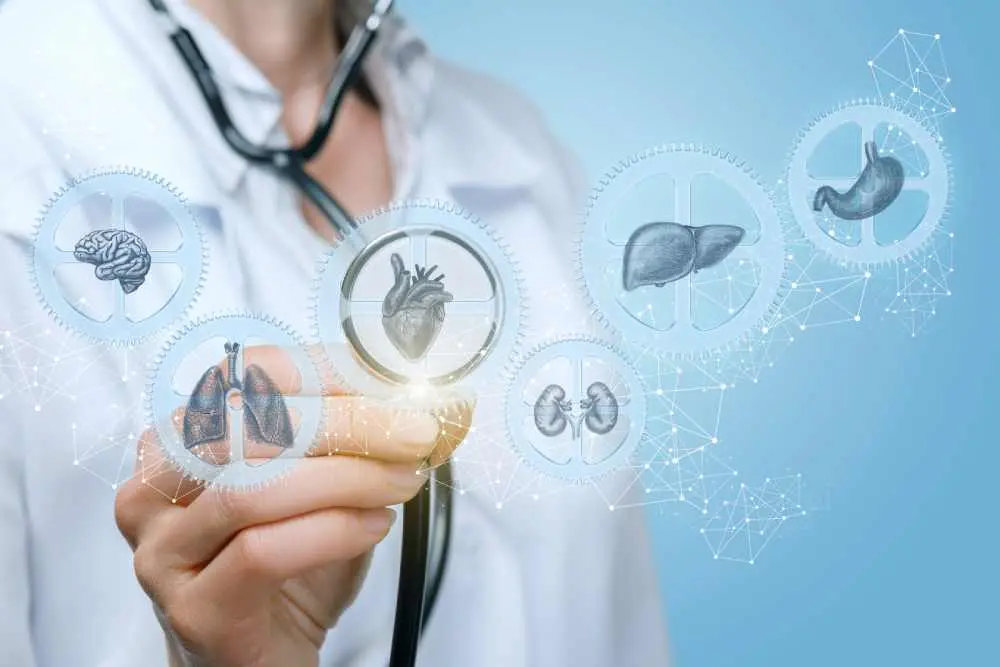
Internal medicine treats cardiovascular, endocrine, respiratory, gastrointestinal, and renal conditions.
Respiratory Tract Infections
Respiratory tract infections affect areas such as the nose, throat, bronchi, and lungs. Common conditions include pneumonia, bronchitis, sinusitis, and the common cold. These infections may be caused by bacteria, viruses, or other microorganisms and are treated with antibiotics, antivirals, supportive medication, dietary adjustments, and in some cases, natural remedies.
Infectious Diseases
Infectious diseases are caused by microorganisms such as bacteria, viruses, fungi, and parasites. They can spread through direct contact, contaminated food or water, or infected surfaces. Common infections include sexually transmitted infections (STIs), hepatitis B and C, tuberculosis, HIV/AIDS and food-borne illnesses.
Hypertension
Hypertension, or high blood pressure, is a chronic condition where the force of blood against vessel walls remains elevated. Over time, it can damage the heart, kidneys, and blood vessels, leading to heart attacks, strokes, and kidney failure. Treatment involves medication and lifestyle changes such as a healthy diet and regular physical activity.
Diabetes
Diabetes, including type 1 diabetes and type 2 diabetes, is a long-term condition characterized by high blood sugar levels. It may cause serious complications such as heart disease, stroke, kidney damage, nerve problems, and vision loss. Management typically includes medication, lifestyle modifications, and regular blood glucose monitoring. Early diagnosis and structured monitoring are essential in preventing long-term complications of both type 1 diabetes and type 2 diabetes.
Thyroid Disorders
Thyroid diseases involve dysfunction of the thyroid gland, which regulates metabolism. Common conditions include hypothyroidism, hyperthyroidism, and thyroid cancer. Diagnosis is made through blood tests, and treatment may involve medication, hormone therapy, or surgery depending on the case.
High Cholesterol
Cholesterol is essential for health, but excessive levels can increase the risk of heart disease and stroke. High cholesterol can often be managed through dietary changes, physical activity, and, when needed, medication to lower lipid levels.
Liver, Stomach, and Gallbladder Disorders
These organs are vital for digestion and metabolism. Conditions range from mild issues like indigestion and reflux to serious diseases such as liver cirrhosis and gallbladder cancer. Treatment options include medication, lifestyle changes, and, in severe cases, surgery.
Lung Diseases
Lung conditions affect the respiratory system, which delivers oxygen to the body. Common illnesses include asthma, bronchitis, COPD, and lung cancer. Treatment may involve medications, lifestyle changes, and surgical interventions depending on the severity.
Kidney Diseases
Internal medicine specialists treat a variety of kidney disorders, such as chronic kidney disease, nephritis, kidney stones, and acute kidney injury. Treatment may include medication, dietary changes, and in advanced cases, dialysis or kidney transplantation.
When should you see an ınternal medicine doctor?
- Persistent fatigue
- Unexplained weight changes
- High blood pressure readings
- Abnormal blood test results
- Multiple ongoing symptoms
What are Diagnostic Methods Used in the Internal Diseases?
Internal medicine is often the first point of evaluation for conditions affecting internal organs. For this reason, screenings must be planned comprehensively and from multiple perspectives. Based on the patient's symptoms, appropriate diagnostic tests are selected and applied. Following this process, an individualized treatment plan is developed.
Common diagnostic methods used in internal medicine include:
- Reviewing the patient's medical history and assessing symptoms through clinical evaluation
- Performing blood, urine, and stool tests to examine organ function, infections, hormone levels, and vitamin deficiencies
- Using imaging techniques such as ultrasound, X-ray, CT (computed tomography), and MRI (magnetic resonance imaging) to assess internal structures
- Conducting electrocardiography (ECG) to evaluate heart rhythm and electrical activity
- Performing endoscopy or colonoscopy when gastrointestinal conditions are suspected
- Applying condition-specific functional tests such as pulmonary function tests, thyroid function tests, or glucose tolerance tests
Diagnostic decisions are based on clinical findings, risk factors, and laboratory results to ensure accurate and timely treatment planning.
If you experience ongoing symptoms or require chronic disease management, consult an internal medicine specialist for comprehensive evaluation.
What are the Treatment Methods Used in The Internal Diseases?
Internal medicine plays a key role in the diagnosis and treatment of many chronic diseases. After the diagnostic process, a treatment plan is developed based on the type and severity of the condition, as well as the patient’s age and overall health status. Treatment methods may include medication, lifestyle changes, or, in certain cases, referral for surgical intervention.
Common treatment approaches in internal medicine include:
- Medication to manage conditions such as diabetes, hypertension, high cholesterol, and thyroid disorders
- Establishing a balanced daily diet and encouraging regular physical activity
- Personalized nutritional plans for vitamin and mineral deficiencies or gastrointestinal disorders
- Scheduling regular follow-up appointments for chronic disease management
- Implementing a multidisciplinary approach to ensure comprehensive care through collaboration with various specialists
Treatment strategies in internal medicine are personalized and may require long-term monitoring to prevent complications and improve quality of life.


