


 Let Us Call You


Cerebral Palsy is a group of disorders that affect a person's ability to move and maintain balance and posture. It is the most common motor disability in childhood, occurring due to abnormal brain development or damage to the developing brain that affects a person’s ability to control their muscles. While the brain injury itself does not worsen over time, the impact on the musculoskeletal system can change as the individual grows, requiring lifelong management and support from a multidisciplinary medical team.
What is Cerebral Palsy?
The cerebral palsy definition describes a permanent movement disorder caused by non-progressive damage to the developing brain, typically occurring before birth. This condition affects the motor cortex, the part of the brain that directs muscle movement, leading to varying degrees of physical impairment. The cerebral palsy meaning extends beyond just physical movement, as it can also involve challenges with vision, hearing, and cognitive functions depending on the extent of the brain injury.
What Causes Cerebral Palsy?
A specific cerebral palsy cause is often difficult to pinpoint, but most cases are related to brain damage that occurs during pregnancy or shortly after birth.
- Gene Mutations: Abnormal brain development linked to genetic factors.
- Maternal Infections: Infections during pregnancy that affect the developing fetus.
- Fetal Stroke: A disruption of blood supply to the developing brain.
- Lack of Oxygen: Asphyxia related to difficult deliveries, though this is less common than previously thought.
- Infant Infections: Meningitis or encephalitis during infancy.
Types of Cerebral Palsy
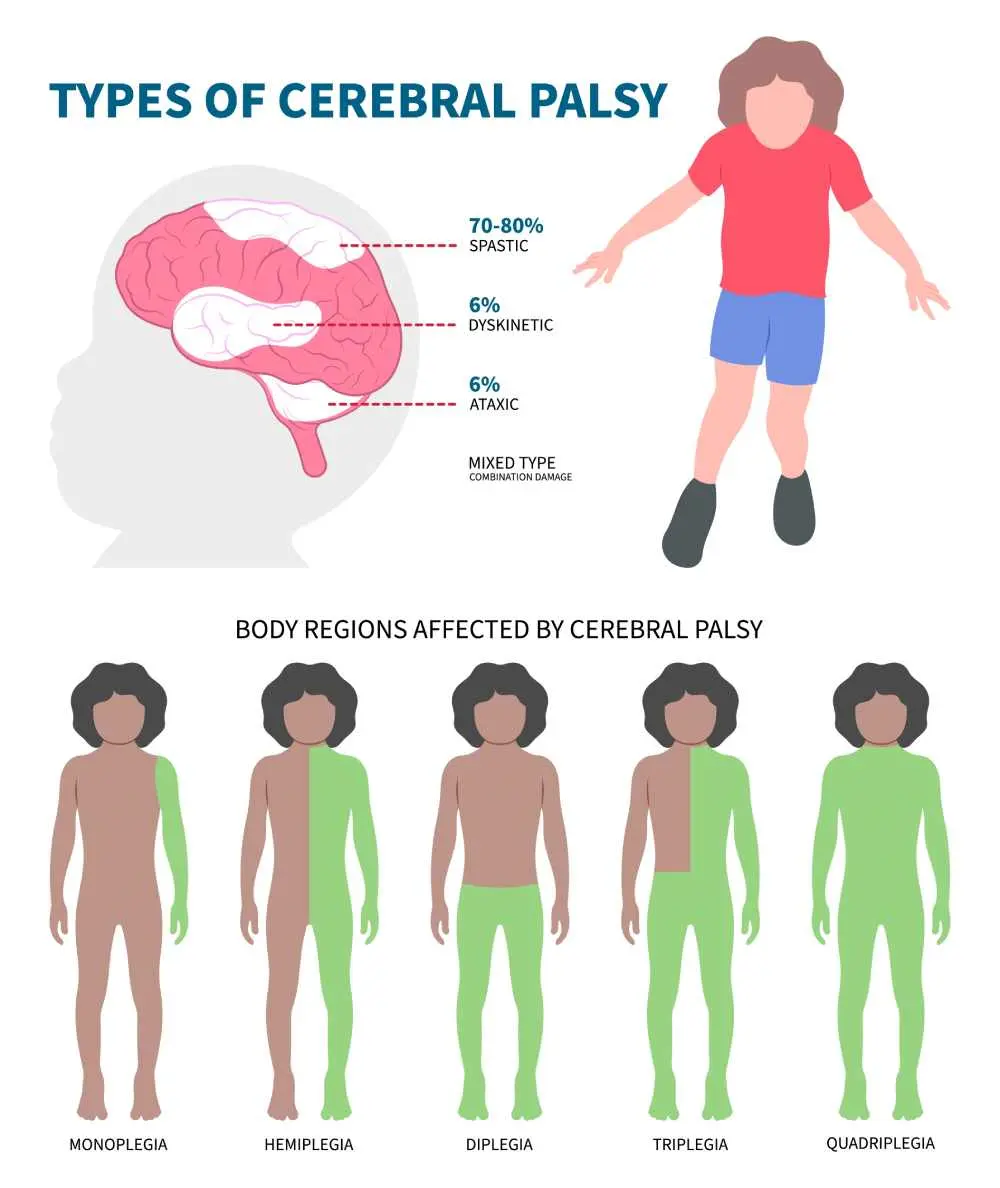
Spastic cerebral palsy is the most common form of the disorder, characterized by increased muscle tone and stiff, awkward movements. Depending on which parts of the body are affected and the nature of the movement limitation, the condition is categorized into the following types:
Spastic Diplegia
This form involves muscle stiffness mainly in the legs, while the arms are less affected or not affected at all, often making walking difficult.
Spastic Hemiplegia
This type affects only one side of the person's body; typically, the arm is more severely impacted than the leg on the affected side.
Spastic Quadriplegic Cerebral Palsy
As the most severe form of spastic CP, this condition affects all four limbs, the torso, and the muscles of the face and mouth.
Dyskinetic Cerebral Palsy
This type is characterized by slow and uncontrollable writhing or jerky movements of the hands, feet, arms, or legs, making it hard to sit or walk.
Ataxic Cerebral Palsy
An ataxic cerebral palsy diagnosis refers to a rarer type that impacts balance and depth perception, often resulting in shaky movements and difficulty with precise tasks.
Cerebral Palsy Symptoms
The most recognizable cerebral palsy symptoms include variations in muscle tone, such as being either too stiff or too floppy.
- Movement Coordination: Lack of muscle coordination when performing voluntary movements (ataxia).
- Muscle Stiffness: Stiff muscles and exaggerated reflexes (spasticity).
- Walking Difficulties: Walking on toes, a crouched gait, or a "scissored" gait.
- Fine Motor Skills: Difficulty with precise motions, such as picking up a spoon or buttoning clothes.
- Developmental Delays: Delays in reaching motor skill milestones, such as sitting up or crawling.
Signs of Cerebral Palsy
Parents may notice cerebral brain palsy signs during infancy when a child fails to reach developmental milestones at the expected times.
- In Infants (under 6 months): The head lags when you pick them up or they feel unusually stiff or floppy.
- In Older Infants (over 6 months): The child cannot roll over in either direction or cannot bring their hands together.
- In Toddlers: The child crawls in a lopsided manner or scoots around on their buttocks instead of crawling on all fours.
Cerebral Palsy Diagnosis
The cerebral palsy icd 10 classification system helps clinicians categorize the specific type of movement disorder during the diagnostic process.
- Developmental Monitoring: Tracking the child's growth and development over time.
- Screening Tests: Specific developmental screening conducted during routine pediatrician visits.
- Cerebral Palsy Radiology: Brain imaging such as MRI or CT scans used to identify areas of damage or abnormal development.
- Laboratory Tests: Blood tests to rule out other conditions that may cause similar symptoms, such as metabolic disorders.
Cerebral Palsy Treatments
While the condition cannot be cured, cerebral palsy treated through early intervention can significantly improve a child's functional capabilities. Physical therapy involves specific exercises designed to improve strength, flexibility, and overall motor skills. Occupational therapy focuses on helping children gain independence in daily activities like dressing and eating.
Speech therapy plays a vital role in improving communication skills and addressing physical difficulties with swallowing. Medical professionals may also prescribe medications such as muscle relaxants or Botox injections to reduce tremors and muscle stiffness. In more complex cases, surgery may be necessary, involving orthopedic procedures to lengthen muscles or tendons that have become too short.
Frequently Asked Questions About Cerebral Palsy
Is cerebral palsy genetic?
While most cases are not directly inherited, some genetic mutations can increase the risk of abnormal brain development that leads to the condition.
Can a person with cerebral palsy live a normal life?
Many individuals lead fulfilling, independent lives by using assistive technology, physical therapy, and community support systems like United Cerebral Palsy.
How long do people with cerebral palsy live?
The average cerebral palsy life expectancy is often similar to the general population, though it depends on the severity of the condition and the management of associated health issues.
What is life like for someone with cerebral palsy?
Life involves navigating physical challenges through therapy and adaptive tools, but with proper support, individuals can attend school, work, and participate in social activities.
Which medical department should be consulted for Cerebral Palsy?
You should primarily consult the Pediatric Neurology or Physical Therapy and Rehabilitation (Physiatry) departments for diagnosis and long-term care planning.


