


 Let Us Call You


Kidney Stones are hard deposits made of minerals and salts that form inside your kidneys, often causing intense pain when they move through the urinary tract. These stones, also known as renal calculi, develop when urine becomes concentrated, allowing minerals to crystallize and stick together. While some stones are as small as a grain of sand and pass unnoticed, others can grow to the size of a golf ball, potentially blocking the flow of urine and leading to infections or kidney damage. Understanding the composition and behavior of these deposits is essential for managing the condition and preventing future recurrences.
What is a Kidney Stone?
A kidney stone is a solid piece of material that forms from chemicals in the urine. Normally, the kidneys filter waste products from the blood and turn them into urine; however, if there is too much waste and not enough liquid, crystals begin to form. These crystals attract other elements and join together to form a solid that will get larger unless it is passed out of the body with the urine.
Types of Kidney Stones
Identifying the specific types of kidney stones is a critical step in determining the best prevention strategy, as each type is caused by different mineral imbalances.
- Calcium Stones: The most common variety, usually in the form of calcium oxalate, often linked to dietary factors or high vitamin D levels.
- Uric Acid Stones: These can form in people who lose too much fluid, eat a high-protein diet, or have gout.
- Struvite Stones: Often forming in response to a urinary tract infection, these stones can grow quickly and become quite large.
- Cystine Stones: These result from a hereditary disorder that causes the kidneys to excrete too much of a specific amino acid.
Kidney Stones Causes
Various kidney stones causes have been identified by medical researchers, ranging from dehydration to specific metabolic conditions that alter urine chemistry.
- Dehydration: Not drinking enough water is the leading cause, as it allows minerals to become more concentrated.
- Diet: High intake of sodium, sugar, and animal protein increases the mineral load on the kidneys.
- Obesity: High body mass index (BMI) and large waist size have been linked to an increased risk of stone formation.
- Digestive Diseases: Conditions like inflammatory bowel disease or gastric bypass surgery affect calcium and water absorption.
- Medical Conditions: Renal tubular acidosis, hyperparathyroidism, and certain urinary tract infections contribute to stone development.
Kidney Stones Symptoms
The severity of kidney stones symptoms typically depends on the location and size of the stone, often starting with a sharp, stabbing pain in the back or side.
- Intense fluctuations of pain (renal colic) in the flank and back, below the ribs.
- Pain that spreads to the lower abdomen and the groin area.
- A persistent need to urinate, urinating more often than usual, or urinating in small amounts.
- Urine that appears pink, red, or brown due to the presence of blood (hematuria).
- Persistent feeling of sickness or vomiting, often triggered by the intensity of the pain.
Signs of a kidney stone
One of the most telling signs of a kidney stone is the sudden onset of excruciating pain that makes it impossible for the patient to find a comfortable position. Clinical signs typically manifest in the following ways:
- Renal Colic
- Radiating Pain.
- Changes in Urine Clarity
- Hematuria
- Fever and Chills
- Urinary Urgency
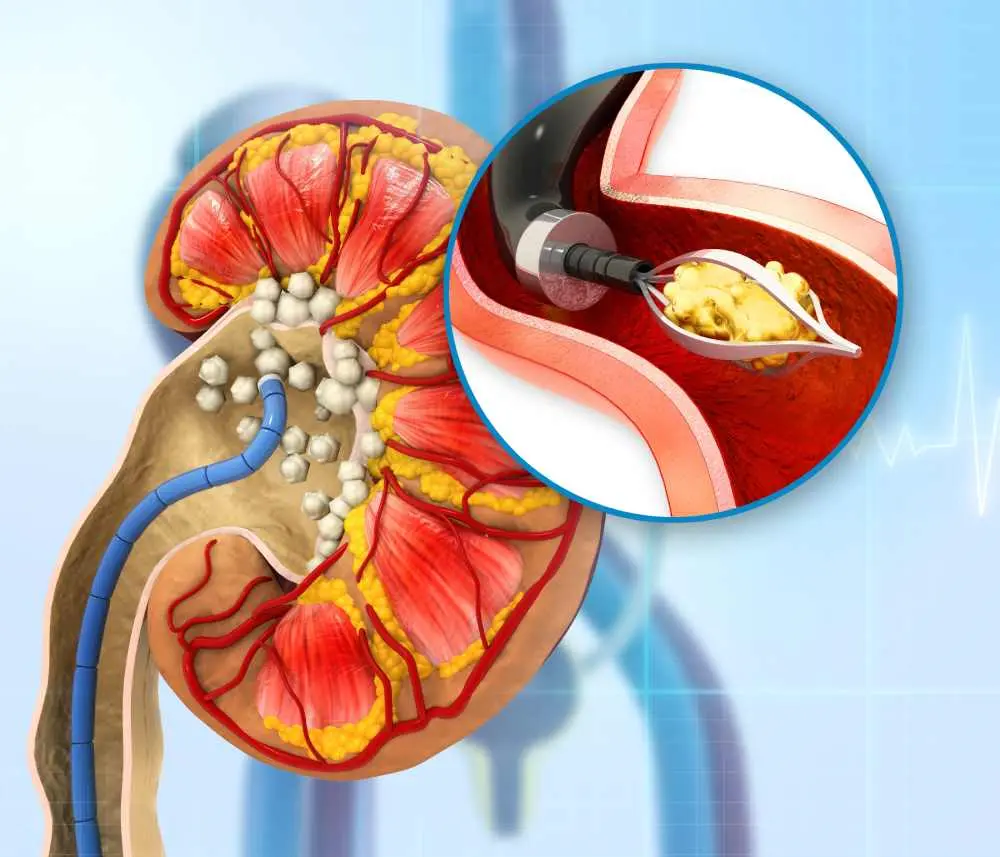
Kidney Stones Diagnostic Methods
Modern diagnostic methods for kidney stones allow physicians to accurately locate the stone and measure its size to determine if it can pass naturally. High-speed CT scans or abdominal X-rays provide a clear view of stones within the urinary tract, while urinalysis involves testing a 24-hour urine collection to see if you are excreting too many stone-forming minerals or too few stone-preventing substances.
Additionally, blood testing helps identify underlying metabolic issues by checking for excessive calcium or uric acid, and stone analysis involves examining a passed stone in a laboratory to reveal its chemical composition for future prevention.
Kidney Stones Treatment
Effective kidney stones treatment often starts with conservative measures like increased water intake and pain medication for stones that are small enough to pass on their own. Alpha-blockers may be prescribed to relax the muscles in the ureter, helping the stone pass more quickly and with less discomfort. For stones that cause complications, medical professionals may use Extracorporeal Shock Wave Lithotripsy (ESWL), which uses sound waves to break the stones into tiny pieces that can be passed in the urine.
Kidney Stone Surgery
In instances where stones are too large to pass or are causing significant damage, kidney stone surgery becomes necessary to clear the blockage.
Ureteroscopy
A surgeon passes a thin lighted tube equipped with a camera through the urethra and bladder to the ureter to remove or break up the stone with a laser.
Percutaneous Nephrolithotomy
A procedure used for very large stones where the surgeon removes the stone through a small incision in the back using a nephroscope.
Parathyroid Gland Surgery
If stones are caused by an overactive parathyroid gland, removing the growth can stop the formation of calcium stones.
Frequently Asked Questions About Kidney Stones
How do you know if you have kidney stones?
You will likely experience sudden, severe pain in your back or side, often accompanied by blood in your urine or nausea as the stone moves.
How to flush kidney stones fast?
The most effective way to help a stone pass is to drink large amounts of water and stay active, though medication from a doctor is often required to manage the pain.
What foods cause kidney stones?
Foods high in oxalates like spinach and beets, as well as diets high in salt and animal proteins, are significant contributors to stone formation.
Do kidney stones go away?
Small stones can pass out of the body on their own through urine, but larger stones will remain and cause increasing damage until they are medically treated.
What are the first signs of kidney stones?
The earliest signs are usually a vague ache in the lower back or side that quickly escalates into sharp, cramping pain as the stone enters the ureter.
Are kidney stones dangerous?
While usually not life-threatening, they are dangerous if they cause a total blockage, leading to permanent kidney damage or a severe infection like sepsis.
Which medical department should be consulted for Kidney Stones?
You should consult the Urology department, as urologists specialize in the health of the urinary tract and the surgical treatment of kidney stones.


