


 Let Us Call You


Dementia disease describes a group of symptoms affecting memory, thinking, and social abilities severely enough to interfere with daily functioning. It is not a single specific illness but rather an umbrella term for various neurodegenerative conditions that cause the brain to decline over time.
While aging is the strongest known risk factor, it is not a normal part of the aging process and can affect individuals in different ways depending on which part of the brain is damaged. Understanding the underlying causes and behavioral changes is vital for providing proper care and improving the quality of life for those affected.
What is Dementia?
The dementia meaning refers to a significant loss of cognitive function—thinking, remembering, and reasoning—to such an extent that it interferes with a person's daily life and activities. People with this condition often lose their emotional control, and their personalities may change significantly as the brain's neural pathways deteriorate. It is a progressive syndrome that moves beyond simple forgetfulness, impacting the ability to communicate and perform basic self-care tasks. Because it is a global health challenge, early recognition is crucial for planning future care and managing the transition for families.
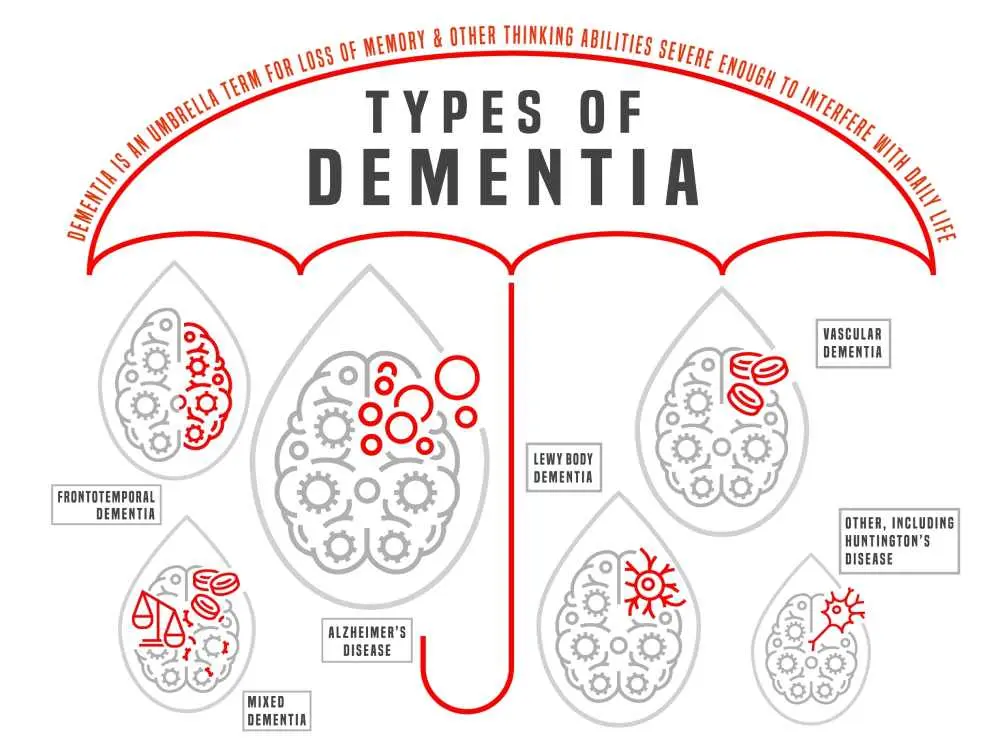
Types of Dementia
There are several dementia types, each characterized by different patterns of brain cell damage and specific cognitive deficits.
- Alzheimer’s Disease: The most common form, identified by plaques and tangles in the brain that disrupt communication between neurons.
- Vascular Dementia: Caused by conditions that damage the blood vessels in the brain or interrupt the flow of blood and oxygen, often following a stroke.
- Lewy Body Dementia: Involves abnormal protein deposits called Lewy bodies, leading to fluctuations in alertness and movement problems.
- Frontotemporal Dementia: A group of disorders caused by progressive nerve cell loss in the brain's frontal or temporal lobes, affecting personality and language.
- Mixed Dementia: A condition where abnormalities linked to more than one type of dementia occur in the brain simultaneously.
Dementia Stages
Medical professionals typically categorize the progression of the condition into three dementia stages to help families understand what to expect as the brain changes. In the early stage, the individual may function independently but experience minor memory lapses or difficulty finding words.
The middle stage is usually the longest, where symptoms become more pronounced, leading to confusion about place and time or changes in sleep patterns. In the late stage, the focus shifts to palliative care as physical abilities, including walking and swallowing, decline and the person requires around-the-clock assistance.
What Causes Dementia?
The development of frontotemporal dementia and other related conditions is primarily caused by the damage to or loss of nerve cells and their connections in the brain.
- The buildup of abnormal proteins in the brain interferes with how brain cells communicate with one another.
- Damage to the brain's blood vessels prevents the delivery of essential nutrients and oxygen to brain tissue.
- While many cases are sporadic, certain genetic mutations can increase the likelihood of developing specific forms of the disease.
- Repeated head trauma or a single severe injury can increase the long-term risk of cognitive decline.
Dementia Symptoms
The onset of dementia symptoms can vary greatly, but they generally involve a decline in at least two brain functions, such as memory and judgment.
- Memory loss
- Communication struggles
- Visual perception ıssues
- Reasoning and judgment
- Psychological changes
Early Signs Of Dementia
Recognizing the earliest signs of dementia is critical for accessing support services and potential clinical trials that may slow progression. Key indicators to monitor include:
- Memory loss that disrupts daily life
- Challenges in planning or solving problems
- Difficulty completing familiar tasks
- Confusion with time or place
- New problems with words in speaking or writing
- Misplacing things
- Decreased or poor judgment
- Withdrawal from work or social activities
- Changes in mood and personality
Dementia Diagnostic Methods
A diagnosis of vascular dementia or other cognitive disorders is reached through a combination of clinical assessments and advanced neuroimaging. Doctors perform detailed cognitive and neuropsychological tests to evaluate memory, orientation, and language skills.
Brain scans like MRI or CT are used to look for evidence of strokes, tumors, or significant shrinkage in specific brain regions. Additionally, blood tests are often ordered to rule out treatable causes of memory loss, such as vitamin deficiencies or thyroid imbalances.
Dementia Treatments
While most forms of the condition cannot be cured, modern dementia treatments focus on managing symptoms and improving the daily life of the patient. Medications such as cholinesterase inhibitors and memantine are often prescribed to help manage memory loss and confusion for a period of time.
Non-drug therapies, including occupational therapy and environmental modifications, help reduce agitation and make the home safer. Research continues into new disease-modifying therapies that aim to target the underlying biological processes of the disease to slow its ultimate progression.
Frequently Asked Questions About Dementia
What is the main cause of dementia?
The primary cause is the damage to brain cells, which prevents them from communicating properly and leads to a decline in thinking and behavior.
What age can dementia start?
While it most commonly affects those over 65, young-onset dementia can occur in people in their 30s, 40s, or 50s due to specific genetic or health factors.
What is the life expectancy of a person with dementia?
Life expectancy varies significantly based on the type and age of onset, but on average, people live between 4 to 10 years after diagnosis.
Which medical department should be consulted for Dementia?
Patients should consult the Neurology or Geriatric Medicine departments for specialized testing, diagnosis, and long-term management of cognitive decline.


