


 Let Us Call You


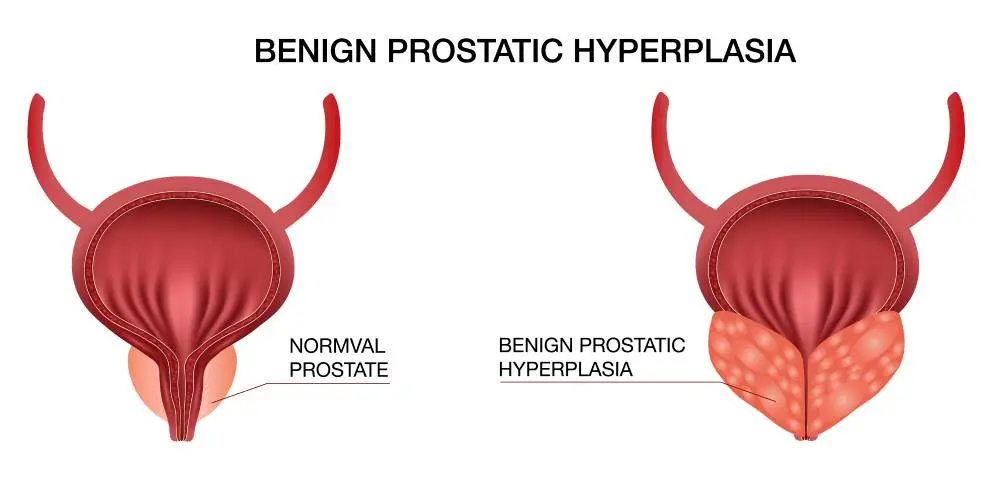
Benign prostate hyperplasia is a common condition as men get older, characterized by the noncancerous enlargement of the prostate gland. This growth occurs in the part of the prostate that surrounds the urethra, the tube that carries urine out of the body.
As the gland enlarges, it can squeeze or partially block the urethra, leading to various bothersome urinary symptoms. While it is not a precursor to prostate cancer, it can significantly impact a man's quality of life and, if left untreated, lead to bladder, tract, or kidney problems.
What is Benign Prostatic Hyperplasia?
The benign prostatic hyperplasia meaning refers to the overgrowth of prostate tissue which causes the gland to expand in size. This condition is essentially a histological diagnosis, meaning it is characterized by the increased number of cells rather than the cells becoming cancerous.
Because the prostate is situated just below the bladder, its enlargement directly affects the flow of urine. It is one of the most frequent health issues in aging men, affecting approximately half of all men between ages 51 and 60.
Benign Prostatic Hyperplasia Causes
Specific benign prostatic hyperplasia causes are not fully understood, but most medical researchers believe the condition is linked to hormonal changes associated with aging. Throughout their lives, men produce testosterone and small amounts of estrogen. As men age, the proportion of estrogen in the blood increases, which may trigger prostate cell growth.
Another theory involves dihydrotestosterone (DHT), a male hormone that plays a role in prostate development; even as testosterone levels drop, DHT levels in the prostate remain high, potentially encouraging cells to continue growing. Genetic factors also play a role, as a family history of prostate issues increases a man's risk.
Benign Prostatic Hyperplasia Symptoms
While many patients seek a diagnosis using the benign prostatic hyperplasia icd 10 code N40.1 for medical records, they are usually driven to the clinic by worsening lower urinary tract symptoms.
- Frequent Urination: An increased need to urinate, especially eight or more times a day.
- Nocturia: The frequent need to wake up during the night to pass urine.
- Weak Stream: A urinary stream that is weak, slow, or stops and starts.
- Dribbling: Experiencing the leakage of urine at the end of the stream.
- Incomplete Emptying: The sensation that the bladder is still full even after finishing urination.
- Urgency: A sudden and strong urge to urinate that is difficult to delay.
Benign Prostatic Hyperplasia Diagnostic Methods
Accurate diagnosis is crucial because benign prostatic hyperplasia causes symptoms that often mimic other conditions like urinary tract infections or prostate cancer. The process typically begins with a Digital Rectal Exam (DRE), where a doctor inserts a gloved finger into the rectum to check the size and firmness of the prostate.
A Prostate-Specific Antigen (PSA) blood test is often ordered to screen for cancer, as PSA levels can rise with an enlarged prostate. Doctors may also use uroflowmetry to measure how fast urine flows or a post-void residual (PVR) test to see how much urine stays in the bladder after voiding.
Benign Prostatic Hyperplasia Treatments
Effective benign prostatic hyperplasia treatments range from lifestyle modifications and medications to minimally invasive procedures and traditional surgery. For men with mild symptoms, watchful waiting with yearly exams may be sufficient.
Medications like alpha-blockers help relax bladder neck muscles, making it easier to urinate, while 5-alpha reductase inhibitors can actually shrink the prostate gland over time. If medication is not enough, surgical options like Transurethral Resection of the Prostate (TURP) or newer laser therapies can remove the obstructing tissue to restore normal urinary function.
Frequently Asked Questions About Benign Prostatic Hyperplasia
What is the best treatment for enlarged prostate?
The best treatment is highly individual and depends on your symptom severity, prostate size, and overall health, ranging from daily medications to surgical procedures like TURP.
What is the main cause of BPH?
The main cause is believed to be the natural hormonal shifts that occur during aging, particularly changes in testosterone, estrogen, and DHT levels.
Can prostate enlargement be cured?
While there is no permanent "cure" that prevents future growth, medical and surgical treatments can effectively manage symptoms and remove excess tissue for long-term relief.
How to relieve prostate pressure?
You can relieve pressure by limiting caffeine and alcohol, practicing double voiding, and consulting a doctor for medications that relax the prostate muscles.
Which medical department should be consulted for Benign Prostatic Hyperplasia?
You should consult the Urology department, as urologists specialize in the health of the male reproductive system and the urinary tract.


