


 Let Us Call You


Uterine fibroids are noncancerous growths of the uterus that often appear during childbearing years, affecting up to 80% of women by age 50. Also known as leiomyomas or myomas, these firm, rubbery masses develop from the smooth muscle tissue of the uterine wall. While many women remain unaware of their presence, fibroids can range in size from undetectable seedlings to bulky masses that distort the shape of the uterus. Understanding the nature of these growths is the first step toward effective management and long-term pelvic health.
What Are Uterine Fibroids?
The uterine fibroids meaning involves the formation of benign monoclonal tumors that originate from the smooth muscle cells of the myometrium. Although they are tumors, they are almost never cancerous and are not associated with an increased risk of uterine cancer. These growths can vary significantly in number and size; some individuals have a single fibroid, while others may have multiple clusters that cause the uterus to expand toward the ribcage.
Uterine Fibroids Types
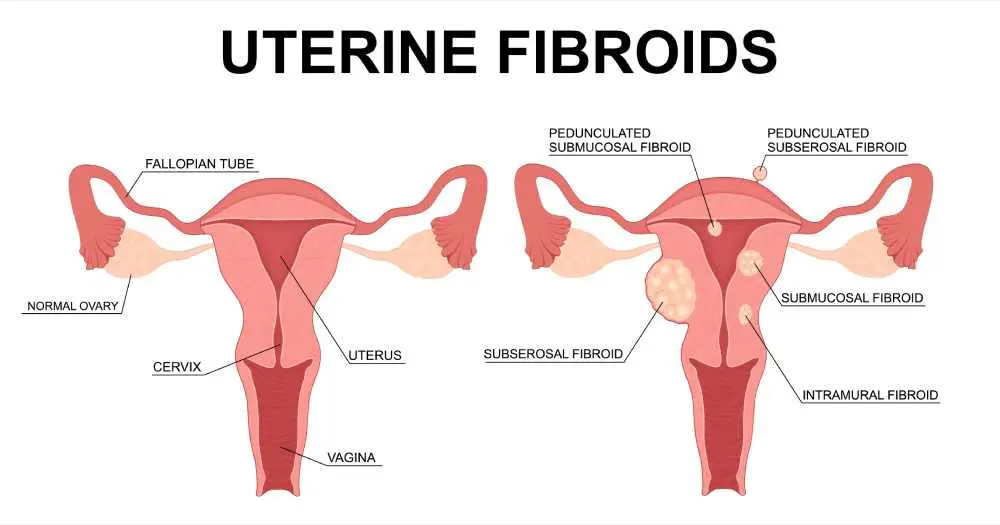
Specific uterine fibroids types are classified by their location within the uterus, which determines how they affect menstruation and fertility.
Intramural Fibroids
These grow within the muscular uterine wall and are the most common type. As they expand, they can stretch the womb and make the uterus feel larger, similar to the sensations of early pregnancy. Large intramural fibroids often lead to prolonged menstrual cycles and significant pelvic pressure.
Submucosal Fibroids
These bulge into the uterine cavity and are most likely to cause heavy bleeding. Because they distort the inner lining of the uterus, they are frequently associated with fertility challenges, as they can interfere with embryo implantation or increase the risk of early pregnancy loss.
Subserosal Fibroids
These project to the outside of the uterus and can put pressure on the bladder or rectum. While they rarely cause heavy menstrual bleeding, their outward growth can lead to frequent urination, constipation, and a visible protruding abdomen in severe cases.
Pedunculated Fibroids
These grow on a slender stalk inside or outside the uterus, resembling a mushroom. The most significant risk with this type is torsion, where the stalk twists and cuts off the blood supply, resulting in sudden, sharp, and excruciating pelvic pain that often requires medical attention.
What Causes Uterine Fibroids?
While the exact uterine fibroids or polyps distinction is often clarified during diagnosis, the root cause of fibroid development is linked to genetic changes and hormonal fluctuations.
- Hormones: Estrogen and progesterone, the hormones that stimulate the development of the uterine lining, also appear to promote the growth of fibroids.
- Genetics: Many fibroids contain changes in genes that differ from those in typical uterine muscle cells.
- Growth Factors: Substances that help the body maintain tissues, such as insulin-like growth factor, may affect fibroid growth.
- Extracellular Matrix (ECM): This material makes cells stick together; it is increased in fibroids and makes them fibrous and firm.
Uterine Fibroids Symptoms
Common uterine fibroids symptoms vary based on the size and location of the growths, but heavy menstrual bleeding remains the most reported issue.
- Menstrual bleeding that lasts more than a week or involves soaking through pads quickly.
- A constant feeling of fullness or heaviness in the lower abdomen or pelvic area.
- Difficulty emptying the bladder or a constant urge to go due to pressure on the bladder.
- Fibroids pressing against the rectum can interfere with normal bowel movements.
- Large subserosal fibroids can press against nerves, causing radiating pain.
Signs Of Uterine Fibroids
Recognizable signs of uterine fibroids often appear as clear physical changes or clinical markers:
- Noticeable swelling or enlargement in the lower stomach area.
- A hard or irregularly shaped uterus felt during a pelvic exam.
- Extreme fatigue and pale skin due to significant blood loss.
- Pressure on the bladder causing a constant urge to go.
- Difficulty with bowel movements or a feeling of fullness.
- Sharp pelvic distress caused by fibroid degeneration or twisting.
- Discomfort or localized pain during sexual intercourse.
Uterine Fibroids Diagnostic Methods
A uterine fibroids ultrasound is the primary diagnostic tool used by specialists to confirm the presence, size, and location of these benign tumors. During this non-invasive procedure, sound waves create a map of the uterus for the physician to analyze.
If further detail is required, doctors may use a uterine fibroids icd 10 code (such as D25) to document the diagnosis for insurance and medical tracking. Other methods include MRI for high-resolution imaging, hysterosonography to view the uterine cavity, and blood tests to check for iron-deficiency anemia.
Uterine Fibroids Treatment
The most appropriate uterine fibroids treatment depends on your age, the severity of your symptoms, and whether you plan to become pregnant in the future. For women with mild or no symptoms, watchful waiting and monitoring the fibroids over time is often the best initial approach to see if they grow or cause issues. If symptoms persist, medications like hormonal GnRH agonists can be used to shrink the growths, while tranexamic acid is frequently prescribed to manage heavy menstrual bleeding.
For more significant cases, minimally invasive procedures such as uterine artery embolization can cut off the blood supply to the fibroids, causing them to shrink effectively. Women desiring future pregnancy often opt for a myomectomy, a surgical procedure that removes the fibroids while leaving the uterus intact. Finally, a hysterectomy involves the surgical removal of the entire uterus and remains the only definitive cure for uterine fibroids to ensure they do not recur.
Frequently Asked Questions About Uterine Fibroids
What is the main cause of uterine fibroids?
While the exact cause is unknown, they are primarily driven by the hormones estrogen and progesterone and often run in families.
What happens when you have fibroids?
You may experience heavy periods and pelvic pressure, or you may have no symptoms at all as the benign growths reside in your uterine wall.
What were your first signs of uterine fibroids?
The earliest indicators are usually a change in your menstrual cycle, such as longer or heavier bleeding, accompanied by a feeling of pelvic fullness.
What are the symptoms of cancerous uterine fibroids?
Cancerous fibroids are extremely rare, but symptoms can include rapid growth of a mass and postmenopausal bleeding that should be evaluated immediately.
Which size of fibroid is dangerous?
Size alone is rarely dangerous but fibroids larger than 5–6 centimeters often require intervention if they cause severe pain or organ obstruction.
Which medical department should be consulted for Uterine Fibroids?
You should consult the Obstetrics and Gynecology (OB-GYN) department for the diagnosis and management of all types of uterine fibroids.


