


 Let Us Call You


Gynecology and Obstetrics provides comprehensive care for women's reproductive health, pregnancy, childbirth, and gynecological conditions. Services range from routine examinations and preventive care to pregnancy monitoring, fertility evaluation, and surgical treatment.
Care is tailored to each patient's age, symptoms, medical history, reproductive goals, pregnancy status, and overall health.
Key Takeaways
- Gynecology and Obstetrics covers reproductive health, pregnancy, childbirth, and gynecological conditions.
- Routine examinations and screening can help identify health concerns early.
- Pregnancy care includes prenatal monitoring, ultrasound, and delivery planning.
- Gynecological conditions may be treated with medication, minimally invasive procedures, or surgery.
- Pelvic floor and urinary conditions can be evaluated through urogynecology.
- High-risk pregnancies may require specialized perinatology care.
What is Gynecology and Obstetrics?
Gynecology and Obstetrics is the medical specialty focused on the female reproductive system and women's health throughout different stages of life.
Gynecology covers the prevention, diagnosis, and treatment of conditions affecting the uterus, ovaries, cervix, vagina, and pelvic floor. Obstetrics focuses on pregnancy, prenatal care, labor, childbirth, and postpartum follow-up.
Depending on the patient's needs, care may also involve related specialties such as perinatology, reproductive medicine, urogynecology, or gynecologic oncology.
Clinical Insight
Women's healthcare involves more than treating individual symptoms. Preventive screening, reproductive health care, pregnancy monitoring, fertility evaluation, and timely management of gynecological conditions can all contribute to long-term health. The most appropriate care plan depends on each patient's individual symptoms, medical history, reproductive goals, and overall health.
What Conditions Are Treated in Gynecology and Obstetrics?
Gynecology and Obstetrics covers a broad range of reproductive and pelvic health conditions. The appropriate treatment depends on the diagnosis, symptoms, age, medical history, and individual needs.
Conditions commonly evaluated or treated may include:
- Uterine fibroids
- Endometriosis
- Ovarian cysts
- Polycystic ovary syndrome (PCOS)
- Menstrual disorders
- Abnormal uterine or vaginal bleeding
- Pelvic organ prolapse
- Urinary incontinence
- Urinary tract infections
- Infertility
- HPV
- Menopause
- Pregnancy
- High-risk pregnancy
Treatment may include observation, medication, lifestyle management, minimally invasive procedures, or surgery depending on the condition.

What Services Are Provided in Gynecology and Obstetrics?
Routine Gynecological Examinations
Routine gynecological visits are an important part of preventive women's healthcare. Depending on age and individual risk factors, an examination may include a medical history review, pelvic examination, cervical cancer screening, breast examination, and additional tests when indicated.
These visits also provide an opportunity to discuss menstrual changes, abnormal bleeding, pelvic pain, contraception, sexual health, and other reproductive concerns.
Pregnancy and Prenatal Care
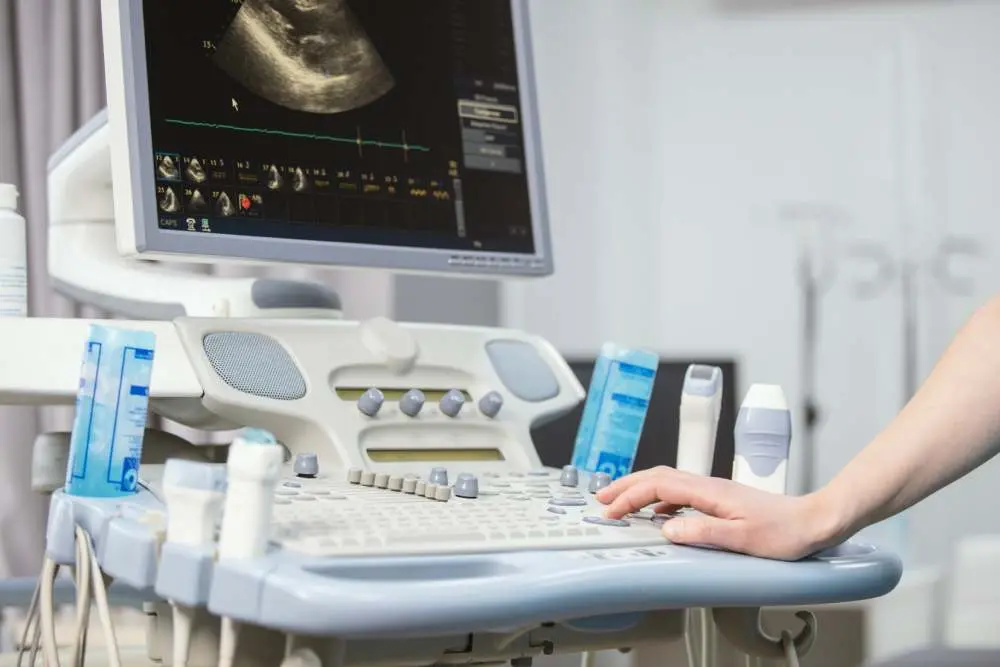
Prenatal care focuses on monitoring the health of the mother and developing baby throughout pregnancy. Depending on the stage of pregnancy, care may include physical examinations, ultrasound, laboratory tests, and assessment of maternal and fetal well-being.
Healthcare professionals may also discuss nutrition, physical activity, medication use, and other factors that can affect pregnancy.
High-Risk Pregnancy and Perinatology
Some pregnancies require closer monitoring because of maternal health conditions, fetal concerns, previous pregnancy complications, or other risk factors.
Perinatology, also known as maternal-fetal medicine, is a subspecialty focused on pregnancies that require specialized assessment and follow-up. Depending on the clinical situation, perinatology may work together with other medical teams throughout pregnancy and delivery.
Childbirth and Delivery Care
Obstetric care continues through labor and delivery. Depending on the pregnancy and clinical circumstances, delivery may involve vaginal birth or cesarean section.
The delivery plan may change according to the health of the mother and baby, pregnancy progression, fetal position, previous delivery history, and other medical considerations.
Fertility and Reproductive Health
Gynecology and Obstetrics also plays an important role in reproductive health and fertility evaluation. Patients experiencing difficulty conceiving may undergo an assessment to identify factors that could affect fertility.
Depending on the findings, care may include medical treatment, fertility procedures, or referral to assisted reproductive services such as in vitro fertilization (IVF).
Gynecological Surgery
Some gynecological conditions require surgical treatment. Depending on the condition and the patient's individual circumstances, surgery may be performed using open or minimally invasive techniques.
Laparoscopic, robotic, and hysteroscopic procedures may be considered for selected conditions. Surgical treatment may be used for conditions such as uterine fibroids, endometriosis, ovarian cysts, and pelvic organ prolapse.
Urogynecology
Urogynecology focuses on conditions affecting the pelvic floor, urinary system, and related reproductive structures.
Common problems evaluated in urogynecology include:
- Urinary incontinence
- Pelvic organ prolapse
- Urinary tract problems
- Pelvic floor disorders
Treatment may include pelvic floor rehabilitation, medication, lifestyle measures, minimally invasive procedures, or surgery depending on the condition.
Women's Health Through Different Stages of Life
Women's health needs can change throughout adolescence, the reproductive years, pregnancy, postpartum recovery, perimenopause, and menopause.
Gynecology and Obstetrics care can address these changing needs through preventive examinations, reproductive health evaluation, pregnancy care, fertility support, and treatment of gynecological conditions.
A personalized approach allows screening and treatment to be adapted to age, symptoms, medical history, and reproductive goals.
When Should You See a Gynecology and Obstetrics Specialist?
A consultation may be appropriate if you experience:
- Irregular or unusually heavy menstrual bleeding
- Persistent pelvic pain
- Abnormal vaginal bleeding or discharge
- Menstrual or hormonal changes
- Urinary incontinence or pelvic pressure
- Difficulty becoming pregnant
- Symptoms during pregnancy
- Concerns about contraception
- Symptoms related to menopause
Routine visits may also be appropriate even when no symptoms are present, depending on age, screening needs, and individual risk factors.
How is a Gynecological Condition Evaluated?
Evaluation depends on the symptoms and suspected condition. A consultation may include a medical history, physical examination, laboratory testing, ultrasound, or other imaging studies.
Additional procedures may be recommended when needed to clarify a diagnosis or guide treatment. The specific evaluation is determined according to the patient's symptoms, medical history, and clinical findings.
References
American College of Obstetricians and Gynecologists (ACOG) — https://www.acog.org/
World Health Organization (WHO) — https://www.who.int/


