


 Let Us Call You


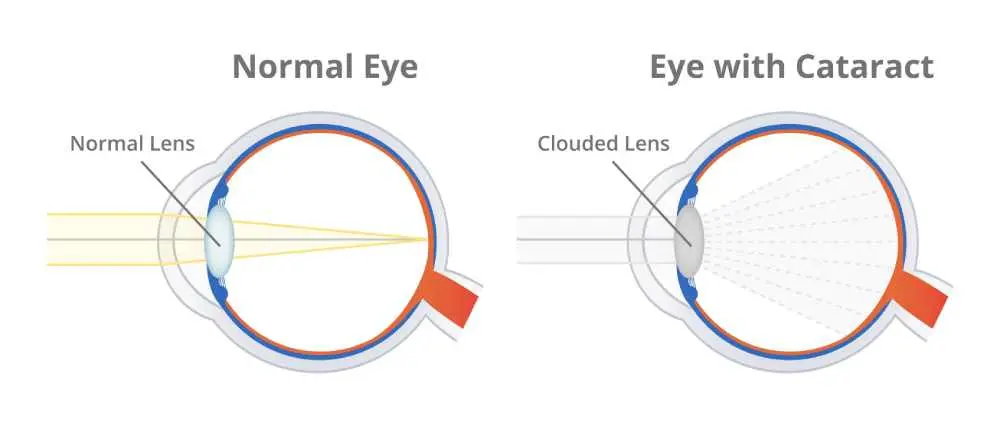
Cataract is a common eye condition that occurs when the natural lens of the eye becomes cloudy, leading to blurred vision and sensitivity to light. It usually develops with aging but may also occur due to trauma, medical conditions or genetic factors. Blurred vision and glare from lights are among the symptoms of cataract. During cataract surgery, the clouded lens is removed and replaced with a clear artificial lens. Doctors may recommend surgery when cataract symptoms begin to affect your daily life.
What is Cataract?
Cataract is an age-related condition in which the eye’s natural lens becomes cloudy and loses its transparency. It refers to the deterioration of the lens located behind the pupil and iris, which focuses light onto the retina.
The lens is a transparent and flexible structure primarily composed of proteins. As you age, the proteins within the lens begin to break down, forming cloudy spots that affect your vision. Over time, visual acuity decreases, and daily tasks may become more difficult to perform. Ophthalmologists can restore your vision by surgically removing the clouded lens.
Types of Cataracts
There are several types of cataracts. The following are age-related types of cataracts:
Childhood Cataract
This type of cataract affects infants and children. Babies may be born with cataracts, or cataracts may develop after birth. Childhood cataracts are often associated with a family history of the condition.
Traumatic Cataracts
This type of cataract occurs when the eye is subjected to a blow or impact. Treatment of this type may be more complex, as the structures surrounding the lens may also require repair.
Secondary Cataracts
These are cloudy spots that develop on the lens capsule, the membrane that surrounds the lens. This condition is also known as posterior capsule opacification.
Age-Related Cataract
Cataracts may develop in the eye as a result of aging. This type of cataract typically occurs in individuals aged 60 and over.
What Are the Symptoms of Cataract?
Symptoms of cataract include blurred vision and a hazy or foggy appearance. Difficulty in perceiving colors is also among the signs of cataract. Cataract symptoms may be listed as follows:
- A misty, blurred, or cloudy vision
- Difficulty in distinguishing colors
- Sensitivity to bright sunlight, headlights, and lamps
- Difficulty seeing at night
- Halos or streaks forming around lights
- Double vision
Is cataract painful?
Cataracts generally do not cause pain in the eye. However, they may increase sensitivity to light, which can lead to discomfort.
What Causes Cataract?
Among the causes of cataract is the gradual breakdown of proteins within the eye’s natural lens. In addition, certain genetic and environmental factors may increase the risk of developing cataracts.
Risk factors for cataract can be listed as follows:
Environmental Risk Factors
These include factors encountered in the environment, such as airborne toxins, tobacco smoke, and pesticides. These may consist of harmful substances that are inhaled or ingested. Environmental factors are detrimental because they increase the level of free radicals in the body. Free radicals can damage the cells in the eye’s lens, leading to the development of cataracts.
Medical Risk Factors
Diabetes or elevated blood glucose levels, as well as certain eye conditions such as glaucoma, retinitis pigmentosa, or uveitis, are medical risk factors that may increase the likelihood of developing cataracts.
Genetic Risk Factors
Having a family member with a history of cataract increases your risk of developing the condition. Certain genetic mutations may lead to congenital cataracts.
How is Cataract Diagnosed?
Ophthalmologists diagnose cataracts following a comprehensive eye examination. The healthcare professional closely examines the eyes to look for signs of cataract and assess its severity. In addition, questions are asked about the individual’s visual ability, medical history, and symptoms.
The specific tests you may undergo include:
- Slit-lamp examination
- Visual acuity test
How is Cataract Treated?
One of the most effective treatment methods for cataract is surgery. Cataract surgery corrects blurred vision and enables clear sight. During the procedure, the ophthalmologist removes the clouded natural lens and replaces it with an intraocular lens.
The greatest advantage of an intraocular lens is that it is transparent, like the natural lens. In this way, refractive errors can also be corrected. As a result, dependence on glasses or contact lenses may decrease after surgery.
What is the recovery process after cataract surgery?
After cataract surgery, you may experience mild pain and discomfort. Your doctor may prescribe pain medication for the first one or two days. Full recovery typically takes between four and eight weeks. However, improvements in vision are often noticed much sooner.


