


 Let Us Call You


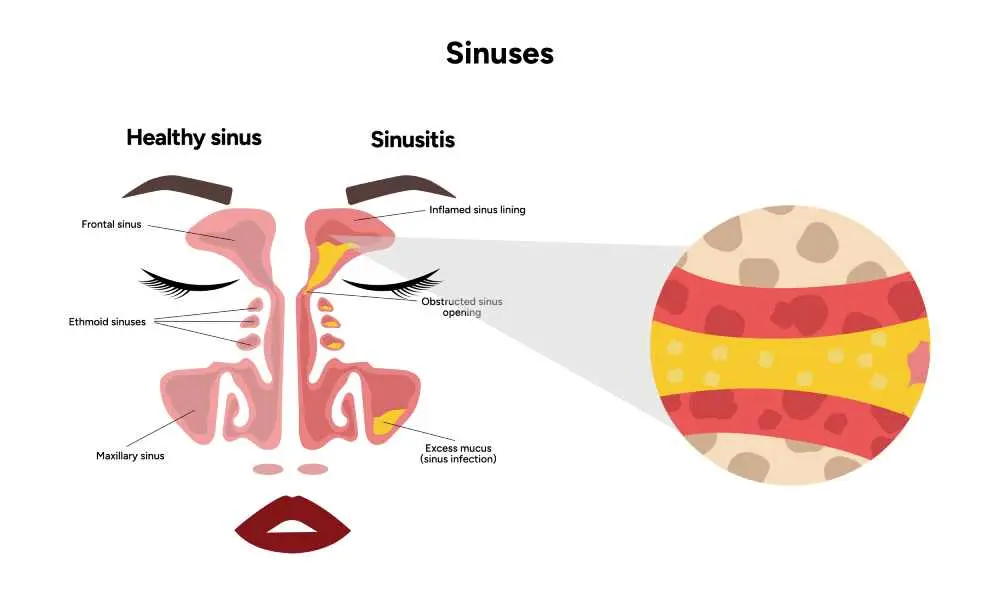
Chronic sinusitis, also known as a chronic sinus infection, is a long-term condition characterized by inflammation of the sinus cavities that can significantly affect daily life. Unlike acute sinus infections, chronic sinusitis lasts for at least 12 weeks and often requires a comprehensive treatment plan. Patients may experience persistent nasal blockage, facial pressure, and poor sleep quality. Modern treatment approaches focus on both relieving symptoms and identifying underlying causes. With the right medical care, chronic sinusitis can be managed more effectively over time.
What is Chronic Sinusitis?
Chronic sinusitis is a condition in which the sinuses remain inflamed and swollen for 12 weeks or longer, despite ongoing treatment. It is classified under the chronic sinusitis ICD-10 category for standardized diagnosis and treatment planning. This persistent inflammation blocks normal mucus drainage and creates an environment where infections can persist. As a result, patients often experience long-term discomfort and breathing difficulties. Treatment aims to restore proper sinus function, reduce inflammation, and prevent recurrence.
What are the Symptoms of Chronic Sinusitis?
Symptoms of chronic sinusitis are typically persistent and can interfere with daily activities. Unlike acute sinus infections, these symptoms last for months and may fluctuate in severity. Patients commonly report ongoing discomfort and a reduced quality of life. Recognizing these symptoms early plays a key role in successful treatment.
Common symptoms include:
- Nasal congestion or blockage
- Thick nasal discharge (yellow or green)
- Facial pain or pressure, especially around the eyes and forehead
- Reduced sense of smell and taste
- Headache
- Postnasal drip
- Fatigue
- Bad breath (halitosis)
What Causes Chronic Sinusitis?
Chronic sinus infection develops when the sinus passages are blocked or inflamed for an extended period. This blockage prevents proper mucus drainage and allows bacteria or other pathogens to grow. Sinusitis chronic sinusitis may result from multiple underlying conditions that affect sinus structure or immune response. Identifying the exact cause is essential for effective chronic sinusitis therapy.
Common causes include:
- Nasal polyps that block sinus passages
- Deviated nasal septum
- Recurrent respiratory tract infections
- Allergies such as allergic rhinitis
- Fungal infections
- Immune system disorders
What are the Risk Factors for Chronic Sinusitis?
Several risk factors can increase the likelihood of developing chronic sinusitis. These factors may weaken the body’s ability to clear infections or lead to structural changes in the nasal passages. Understanding these risks is important for both prevention and long-term management. Addressing risk factors can improve outcomes in treating chronic sinus infections.
Risk factors include:
- Asthma
- Allergic conditions
- Smoking or exposure to air pollution
- Weak immune system
- Structural abnormalities in the nose
- Frequent upper respiratory infections
What are the complications of this condition?
If chronic sinus infection is not properly treated, it may lead to serious complications. The sinuses are located close to the eyes and brain, which increases the risk of infection spreading. Although rare, complications can be severe and require urgent medical attention. Early and effective chronic sinusitis treatment helps prevent these outcomes.
Possible complications include:
- Infection spreading to the eye area (orbital cellulitis)
- Vision problems
- Meningitis
- Brain abscess
- Chronic breathing difficulties
How is Chronic Sinusitis Diagnosed?
Diagnosis of sinusitis chronic sinusitis involves a combination of clinical evaluation and advanced imaging techniques. Physicians assess symptoms and examine the nasal passages to detect inflammation or blockages. Accurate diagnosis is essential to determine the most appropriate chronic sinusitis therapy. Standard classification systems such as chronic sinusitis ICD 10 may also be used.
Diagnostic methods include:
- Physical examination of the nasal passages
- Nasal endoscopy to visualize sinus openings
- CT scan to assess sinus structure and inflammation
- Allergy testing
- Mucus culture when infection is suspected
What’s the Treatment for Chronic Sinusitis?
Chronic sinusitis treatment focuses on reducing inflammation, improving drainage, and eliminating infection. The treatment plan depends on the underlying cause and severity of symptoms. Many patients benefit from a combination of medical therapies and, in some cases, surgical intervention. Treating chronic sinus infections effectively requires a personalized approach.
Treatment options include:
- Nasal corticosteroid sprays to reduce inflammation
- Saline nasal irrigation to clear mucus
- Antibiotics for bacterial infections
- Antihistamines for allergy-related sinusitis
- Oral or injectable corticosteroids
- Functional Endoscopic Sinus Surgery (FESS) for severe cases
- Advanced treatment options are widely available in Turkey, where modern techniques support faster recovery and improved outcomes.
Can Chronic Sinusitis Be Prevented?
Although chronic sinusitis cannot always be prevented, certain lifestyle changes can significantly reduce the risk. Preventive measures focus on maintaining healthy sinuses and avoiding triggers that lead to inflammation. Consistent care can also reduce the frequency of flare-ups. Preventive strategies support long-term success in chronic sinusitis therapy.
Prevention tips include:
- Avoid exposure to allergens and pollutants
- Use a humidifier to maintain moisture in the air
- Practice good hygiene to prevent infections
- Manage allergies effectively
- Avoid smoking
- Use saline sprays regularly
Which department should ı visit?
Patients with symptoms of chronic sinus infection should consult the Ear, Nose, and Throat (ENT) department. Experienced ENT specialists in Istanbul provide advanced evaluation and chronic sinusitis treatment otonsa tailored to individual needs.


