


 Let Us Call You


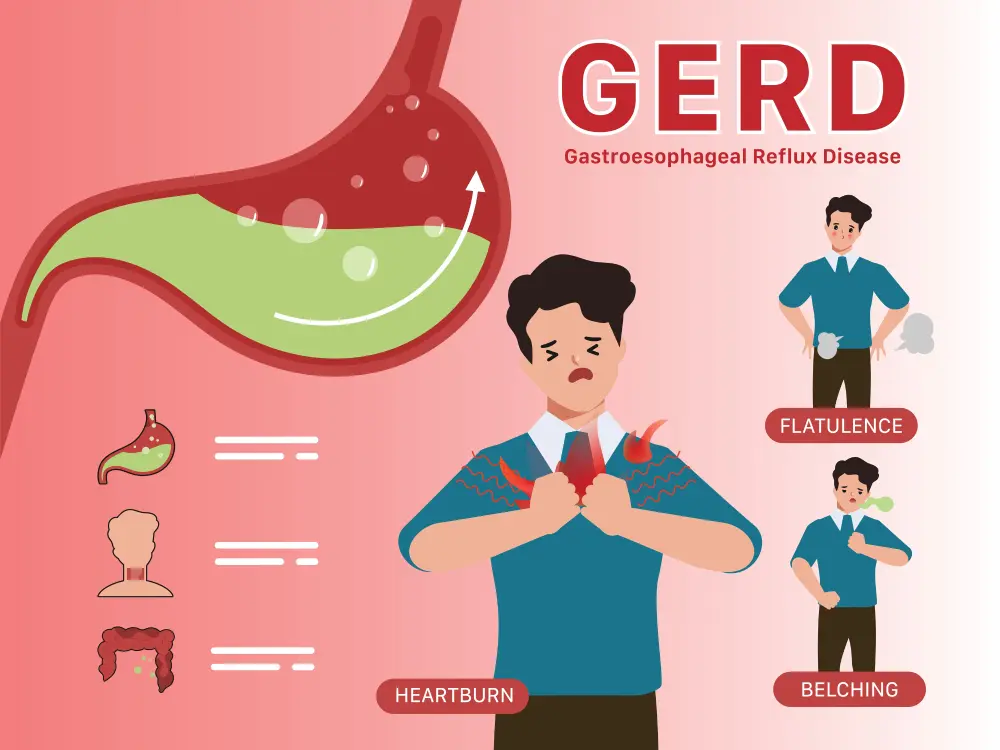
Gastroesophageal reflux disease (GERD) is a common digestive disorder in which stomach contents flow back into the esophagus. This backflow, known as acid reflux, can irritate the lining of the esophagus and cause discomfort. While occasional reflux is normal, frequent episodes may indicate GERD. If left untreated, the condition can affect daily life and sleep quality. With proper diagnosis and management, GERD symptoms can be effectively controlled.
Key Takeaways
- GERD is a chronic condition in which stomach acid flows back into the esophagus, causing irritation.
- Common symptoms include heartburn, acid regurgitation, and difficulty swallowing.
- Lifestyle changes and medications are the main treatment options, while surgery may be considered in severe cases.
What is GERD?
GERD is a chronic condition characterized by the repeated backward flow of stomach acid into the esophagus. This occurs when the lower esophageal sphincter, a muscle that normally prevents reflux, becomes weak or relaxes inappropriately. Over time, this acid exposure can lead to inflammation and damage to the esophageal lining. GERD is one of the most commonly diagnosed gastrointestinal disorders.
What is the difference between GERD and occasional acid reflux?
Occasional acid reflux is common and may occur after eating large meals or consuming certain trigger foods. However, GERD is a chronic condition in which reflux occurs frequently and leads to persistent symptoms or complications. While occasional reflux does not usually damage the esophagus, GERD can result in inflammation and long-term tissue damage. Distinguishing between the two is important for accurate diagnosis and appropriate treatment.
What are GERD Symptoms?
GERD symptoms can vary from mild to severe and may worsen after meals or when lying down. Some symptoms are typical, while others may affect the respiratory system or throat. Recognizing symptoms early is important for effective management.
Common symptoms include:
- Burning sensation in the chest
- Regurgitation of food or sour liquid
- Difficulty swallowing
- Chest or upper abdominal pain
- Sensation of a lump in the throat
- Chronic cough
- Hoarseness or laryngitis
- Worsening asthma symptoms
What triggers GERD symptoms?
GERD symptoms are often triggered by certain foods, habits, and lifestyle factors. These triggers can relax the lower esophageal sphincter or increase stomach acid production. Identifying personal triggers is essential for effective symptom management.
Common triggers include:
- Fatty or fried foods
- Spicy foods
- Chocolate
- Caffeine and coffee
- Alcohol
- Carbonated drinks
- Eating late at night
- Large meals
What does GERD pain feel like?
GERD pain is typically described as a burning sensation in the chest, often referred to as heartburn. It may worsen after eating or when lying down. Some people may also feel pressure or discomfort that can mimic chest pain. The pain can sometimes spread to the throat, causing irritation or a sour taste.
What Causes GERD?
GERD is primarily caused by dysfunction of the lower esophageal sphincter. When this muscle does not close properly, stomach acid flows back into the esophagus. Several physiological and lifestyle factors can contribute to this process.
Common causes include:
- Weak or relaxed lower esophageal sphincter
- Hiatal hernia
- Delayed stomach emptying
- Increased abdominal pressure
What are the Risk Factors for GERD?
Certain conditions and lifestyle habits increase the likelihood of developing GERD. These factors can either weaken the esophageal sphincter or increase acid production. Identifying these risks helps with prevention and management.
Risk factors include:
- Obesity
- Pregnancy
- Smoking
- Alcohol consumption
- High-fat or spicy diet
- Certain medications
What are the Complications of This Condition?
If GERD is left untreated, it can lead to serious complications affecting the esophagus. Long-term acid exposure may damage tissue and increase the risk of more severe conditions. Early treatment helps reduce these risks.
Possible complications include:
- Esophagitis
- Esophageal ulcers
- Esophageal stricture
- Barrett’s esophagus
- Increased risk of esophageal cancer
How is GERD Diagnosed?
GERD is often diagnosed based on symptoms and clinical evaluation. In some cases, additional tests are needed to confirm the diagnosis or assess complications. Accurate diagnosis helps guide treatment decisions.
Diagnostic methods include:
- Symptom evaluation
- Upper endoscopy
- pH monitoring
- Esophageal manometry
- Imaging tests
What’s the Treatment for GERD?
Treatment for GERD focuses on reducing symptoms and preventing complications. Most patients benefit from a combination of lifestyle changes and medications. In more severe cases, surgical options may be considered.
Treatment options include:
- Lifestyle modifications
- Antacids and acid-reducing medications
- Proton pump inhibitors
- Avoiding trigger foods and late meals
- Surgical procedures
Can GERD Be Prevented?
Although GERD cannot always be prevented, certain lifestyle habits can significantly reduce the risk. Preventive strategies focus on minimizing acid reflux triggers and maintaining digestive health.
Prevention tips include:
- Maintain a healthy weight
- Avoid large or late meals
- Limit alcohol and caffeine
- Quit smoking
- Elevate the head during sleep
Which department should I visit?
Patients with GERD symptoms should consult the Gastroenterology department. Specialists can provide diagnosis, treatment, and long-term management strategies.


