


 Let Us Call You


Vitamin D is an important type of vitamin used to support the immune system and improve bone health. It can be obtained through sunlight, foods, or supplements. In addition, it has hormone-like effects and plays a role in many systems in the body. In cases of vitamin D deficiency, it can cause serious health problems in both children and adults. For this reason, it is necessary to maintain balanced vitamin D levels.
Key Takeaways
- Vitamin D plays a critical role in bone health, immune system function, muscle strength, and overall body balance, and adequate levels are essential at every age.
- Deficiency may develop silently, increasing the risk of bone pain, muscle weakness, frequent infections, and long-term skeletal problems, especially in individuals with limited sun exposure.
- Early evaluation and appropriate supplementation, guided by Internal Medicine specialists, support maintaining balanced vitamin D levels and overall health continuity.
What is Vitamin D?
Vitamin D is a fat-soluble vitamin that becomes active in the body and is effective in supporting the immune system. One of its most important sources is sunlight. It can be synthesized in the skin. Adequate vitamin D levels are considered a fundamental requirement for overall health.
According to a study published in the American Journal of Clinical Nutrition, researchers suggested that individuals with severe vitamin D deficiency are more likely to be hospitalized due to respiratory tract diseases such as bronchitis and pneumonia.
Types of Vitamin D
Vitamin D is classified into different types based on its source and chemical structure. Although these types perform similar functions in the body, their absorption levels and effects may vary. The two most commonly known and used forms are D2 and D3.
- D2 (Ergocalciferol)
- D3 (Cholecalciferol)
D2 (Ergocalciferol)
Vitamin D2 is plant-based and is commonly found in foods such as mushrooms. It can be used as a supplement; however, its conversion into the active form in the body is more limited compared to D3.
D3 (Cholecalciferol)
Vitamin D3 is synthesized in the skin through exposure to sunlight and is also found in animal-based sources. It is used more efficiently by the body and is more potent in increasing blood vitamin D levels.
Key Differences Between D2 and D3
Vitamin D3 remains active in the body for a longer period compared to D2. For this reason, the D3 form is more commonly preferred in the treatment of vitamin D deficiency.
Symptoms of Vitamin D Deficiency
Vitamin D deficiency can manifest with many symptoms in the body. These symptoms usually develop gradually and may be difficult to notice. The most common symptoms are listed below:
- Bone and muscle pain
- Muscle weakness
- Frequent infections
- Fatigue and tiredness
- Increased tendency to fall
Causes of Vitamin D Deficiency
Vitamin D deficiency occurs when the body is not exposed to sufficient sunlight. The risk is particularly higher in individuals who spend most of their time indoors. In addition, inadequate nutrition and absorption disorders are among the causes. Age, skin color, and certain chronic diseases may also trigger deficiency.
Insufficient exposure to sunlight:
- Use of sunscreen
- Inadequate nutrition
- Celiac disease, Crohn’s disease, and intestinal disorders
- Advanced age
- Dark skin tone
- Obesity
- Certain medications
Benefits of Vitamin D
The benefits of vitamin D extend across many areas, from muscle and bone health to the immune system. It helps regulate calcium and phosphorus balance in the body. It also plays a protective role against infections. Adequate intake contributes to an improvement in quality of life.
The benefits of vitamin D can be listed as follows:
Reduces the risk of osteoporosis and bone fractures
Vitamin D helps maintain bone and mineral density in the body. This effect reduces the risk of osteoporosis, especially in older age. It plays an important role in preventing bone fractures.
Supports immune system function
Vitamin D is involved in the effective functioning of immune cells. It increases the body’s defense capacity against infections. Deficiency may increase the risk of developing illnesses.
Reduces muscle and skeletal pain
In cases of vitamin D deficiency, widespread muscle and bone pain may occur. Adequate intake contributes to a reduction in these pains.
Supports the healthy functioning of brain and nerve cells
Vitamin D has protective effects on nerve cells. It contributes to the regular functioning of brain activities.
Supports mood and emotional balance
Vitamin D levels are closely associated with mood. Deficiency may be linked to depressive symptoms. Adequate intake can support emotional balance.
Frequently Asked Questions About Vitamin D
What is vitamin D used for?
Vitamin D helps protect bone health and supports the immune system. It is also essential for muscle function and overall body balance.
How much vitamin D should be taken daily?
Daily requirements vary depending on age and individual conditions. In general, an intake of 800–2000 IU is recommended for adults.
Who is more likely to have vitamin D deficiency?
It is more common in older adults, individuals who spend most of their time indoors, and people with darker skin tones. Those with absorption disorders are also at higher risk.
Does vitamin D deficiency cause bone pain?
Vitamin D deficiency may lead to bone tenderness and pain. Lower back and leg pain are particularly common.
Does vitamin D deficiency cause muscle weakness?
In cases of deficiency, muscle strength may decrease. This can make daily movements more difficult.
Is vitamin D obtained from sunlight sufficient?
Sun exposure can be sufficient under appropriate duration and conditions. However, factors such as season, skin type, and lifestyle affect this.
When should vitamin D supplements be taken?
They are generally recommended to be taken in the morning or at midday with a meal. Use should be guided by a physician’s recommendation.
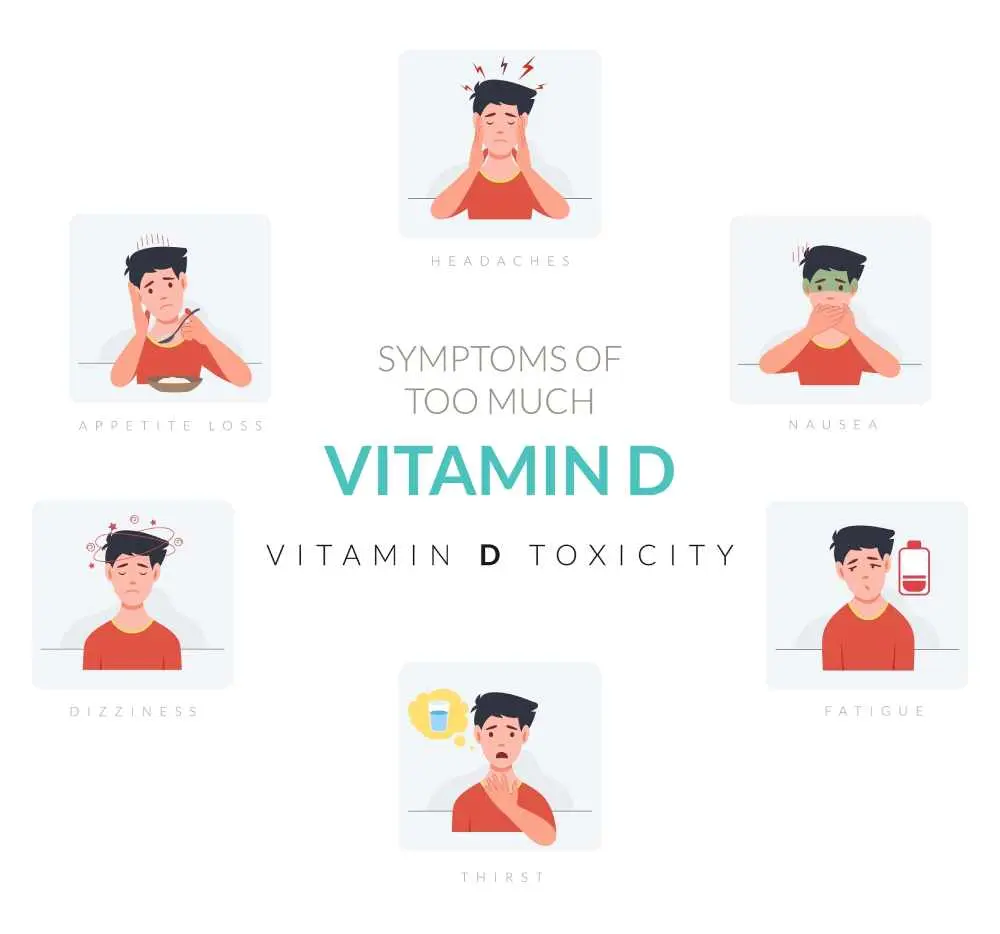
Is excess vitamin D harmful?
Excessive intake may lead to high calcium levels and kidney problems. Uncontrolled use is not recommended.
Does vitamin D deficiency weaken the immune system?
Deficiency may cause weakening of the immune system, which can increase the risk of infections.
What does vitamin D deficiency cause in children?
In children, it may lead to impaired bone development and rickets. Regular supplementation helps reduce these risks.
Which department should be consulted in case of vitamin D deficiency?
When symptoms of vitamin D deficiency are observed, it is recommended to consult the Internal Medicine Department.