


 Let Us Call You


Nipah virus is an infectious disease that can be transmitted from animals to humans. First identified in the 1990s, this virus has drawn attention due to limited yet severe outbreaks, particularly in parts of Asia. Presenting with symptoms such as fever, severe headache, and shortness of breath, the Nipah virus can become a significant public health threat. Its ability to spread both from animals to humans and through human-to-human transmission makes it a particularly difficult infection to control.
What is the Nipah Virus?
Nipah virus is a type of virus that can cause severe clinical manifestations in humans, including febrile illness, respiratory tract infections, and encephalitis. The infection may begin abruptly and can rapidly progress to serious neurological complications. While some cases follow a mild clinical course, many result in fatal outcomes. This variability in clinical presentation makes early diagnosis and close monitoring of Nipah virus infections critically important.
Which virus group does the nipah virus belong to?
Nipah virus is an RNA virus belonging to the Henipavirus genus within the Paramyxoviridae family. This group of viruses is known for its ability to cause severe diseases in both animals and humans. Due to its genetic structure, the virus can replicate rapidly and has the potential to cause extensive tissue damage.
How is the Nipah Virus Transmitted?
The Nipah virus is recognized as a zoonotic virus transmitted from animals to humans. It can be passed to humans through contact with animal secretions. Fruit bats are considered the primary natural reservoir of the virus. Direct contact with infected animals also represents a significant route of transmission. Human-to-human transmission may occur through close contact, particularly via exposure to the bodily fluids of infected individuals.
What Are the Symptoms of Nipah Virus Infection?
Nipah virus infection initially presents with flu-like symptoms but may rapidly progress to a more severe clinical condition. As the disease advances, respiratory distress and neurological findings become more prominent. In some patients, loss of consciousness and coma may develop. The severity of symptoms can vary considerably from person to person.
Common symptoms include:
- Fever and severe headache
- Muscle pain and fatigue
- Cough and shortness of breath
- Confusion and neurological disturbances
- Encephalitis
How is Nipah Diagnosed?
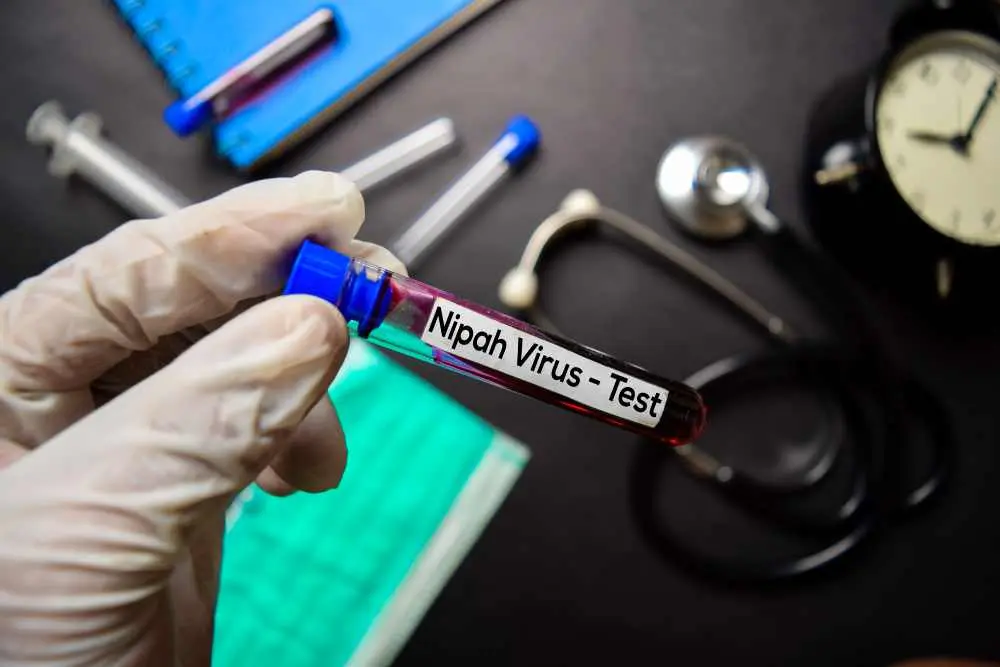
The diagnosis of Nipah virus infection is established through the combined evaluation of clinical findings and the individual’s medical and exposure history. A history of travel to or residence in high-risk regions is particularly important for diagnostic consideration. Definitive diagnosis is confirmed by laboratory tests that detect the virus itself or the host immune response. Early diagnosis plays a critical role in managing the course of the disease.
Diagnostic methods include:
- Laboratory testing of blood and other bodily fluids
- Molecular diagnostic techniques
- Assessment of clinical presentation and contact history
How is Nipah Virus Treated?
There is currently no approved specific antiviral treatment or vaccine for Nipah virus infection. Management is primarily based on supportive care. Patients’ respiratory and neurological status is closely monitored. Intensive care support is vital in severe cases.
Treatment approaches for Nipah virus include:
- Control of fever and pain
- Respiratory support
- Intensive care management and treatment of complications
- Prevention of secondary infections
Methods of Prevention Against Nipah Virus
The most effective way to prevent Nipah virus infection is to implement measures aimed at reducing the risk of transmission. Limiting contact with animals and avoiding high-risk food consumption are particularly important. Infection control measures are critical for healthcare workers. Community-level awareness plays an effective role in preventing outbreaks.
Preventive measures include:
- Avoiding foods that may have been contaminated with animal secretions
- Limiting contact with sick animals
- Taking protective precautions during close contact with infected individuals
- Maintaining hand hygiene and appropriate personal protective practices
Frequently Asked Questions About Nipah Virus
What are the risk factors for Nipah virus infection?
Risk factors include contact with fruit bats, close interaction with infected animals, and presence in regions experiencing outbreaks. Unprotected contact with infected individuals also increases the risk.
Is Nipah virus transmitted through the air?
Nipah virus is not considered an airborne infection. Transmission generally occurs through close contact and exposure to bodily fluids.
Is Nipah virus preventable?
Although there is no effective vaccine available, Nipah virus infection can largely be prevented through proper hygiene practices and avoidance of high-risk exposures. Early awareness and public health measures play a key role in prevention.
When was the last Nipah virus outbreak?
Nipah virus outbreak in India’s Kerala state was first detected on August 30, 2023, and resulted in death. The second patient passed away on September 11, 2023.