


 Let Us Call You


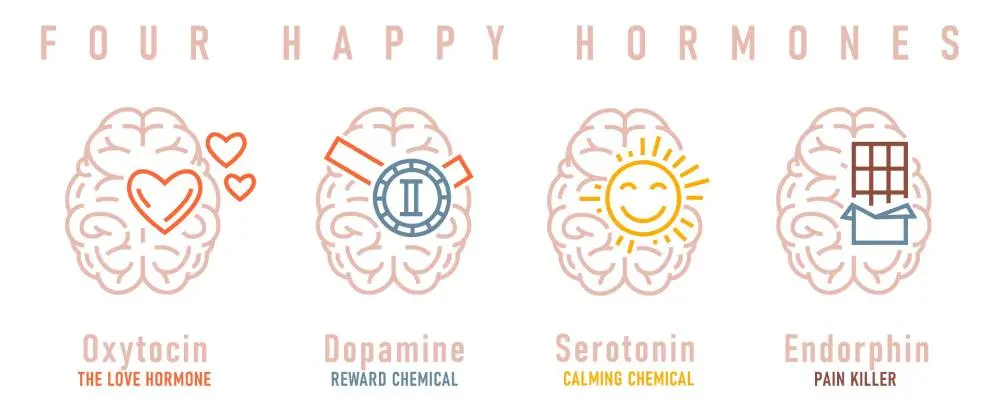
Happiness hormones are brain chemicals that influence a person’s mood, motivation, stress levels, and overall psychological balance. Among the most well-known happiness hormones are Dopamine, Oxytocin, Serotonin, and Adrenaline. These hormones regulate fundamental emotional processes such as experiencing pleasure, forming bonds, maintaining calmness, and responding to stress. When balanced, they support mental clarity, energy, and emotional resilience. In cases of imbalance, stress, anxiety, or depressive symptoms may emerge. Understanding how these hormones function is essential for maintaining both mental and physical health.
Key Takeaways
- Dopamine, Oxytocin, Serotonin, and Adrenaline are happiness hormones that determine mood and stress balance.
- When they are in balance, they provide motivation, calmness, and emotional resilience.
- Exercise, sleep, and healthy lifestyle habits naturally support these hormones.
What are Happy Hormones?
Happy hormones are neurotransmitters and hormones that regulate mood, pleasure, stress response, and emotional stability. They act as chemical messengers between brain cells and influence how we think, feel, and behave. Dopamin, Oxytocin, Serotonin, and Adrenalin are key players in motivation, bonding, calmness, and alertness. Balanced levels support mental health, while imbalances may affect mood and energy levels.
Dopamin
Dopamin is the reward hormone responsible for motivation, pleasure, and goal-driven behavior. It reinforces positive actions and helps the brain recognize achievement. Balanced dopamine levels support focus, productivity, and emotional satisfaction.
Key functions of Dopamin:
- Increases motivation and drive
- Enhances focus and attention
- Supports learning and memory
- Creates feelings of pleasure and reward
- Plays a role in movement control
Oxytocin
Oxytocin is known as the bonding hormone because it strengthens trust and social connection. It is released during physical touch, positive interactions, and emotional intimacy. Oxytocin helps reduce stress and promotes feelings of safety.
Key functions of Oxytocin:
- Strengthens social bonding
- Reduces stress and cortisol levels
- Enhances empathy and trust
- Supports maternal and romantic attachment
- Promotes emotional security
Serotonin
Serotonin is a mood-stabilizing neurotransmitter that supports emotional balance and well-being. It influences sleep, appetite, digestion, and overall mood regulation. Healthy serotonin levels are strongly associated with calmness and life satisfaction.
Key functions of Serotonin:
- Regulates mood and emotional stability
- Supports healthy sleep cycles
- Influences appetite and digestion
- Reduces anxiety
- Contributes to overall sense of well-being
Adrenalin
Adrenalin, also called epinephrine, is a hormone released during stress or excitement. It activates the body’s fight-or-flight response, increasing heart rate and alertness. While short bursts improve performance, chronic elevation may increase stress levels.
Key functions of Adrenalin:
- Increases heart rate and blood flow
- Boosts energy and alertness
- Improves reaction time
- Prepares the body for stress
- Enhances short-term performance
How To Increase Your Happy Hormones
Boosting happy hormones naturally involves lifestyle habits that support brain chemistry. Regular exercise, quality sleep, healthy nutrition, and social interaction all stimulate Dopamin, Oxytocin, and Serotonin. Managing stress also helps regulate Adrenalin levels. Small daily habits can create long-term emotional balance.
Ways to increase happy hormones:
- Exercise regularly
- Get daily sunlight exposure
- Maintain consistent sleep routines
- Eat protein-rich and nutrient-dense foods
- Practice gratitude and mindfulness
- Spend time with loved ones
- Engage in hobbies you enjoy
Why are Happy Hormones Important for Mental Health?
Happy hormones are essential for emotional resilience, stress management, and mood stability. Balanced levels of Dopamin and Serotonin support motivation and calmness, while Oxytocin enhances connection and trust. Proper Adrenalin regulation prevents chronic stress overload. When these hormones are balanced, mental clarity, productivity, and emotional well-being improve significantly.
Their importance includes:
- Supporting mood regulation
- Reducing anxiety and depression risk
- Improving cognitive performance
- Enhancing stress resilience
- Strengthening social relationships
This content is for informational purposes only and is not a substitute for medical advice. If you’re experiencing any of these symptoms, please contact us for professional help.
Frequently Asked Questions About Happy Hormones
What are happy hormones and what do they do?
Happy hormones are brain chemicals that regulate mood, motivation, bonding, and stress response. They influence emotional well-being, mental clarity, and even physical health.
What are the symptoms of low dopamine?
Low dopamine may cause fatigue, low motivation, mood swings, and difficulty concentrating. It can also reduce pleasure in activities once enjoyed.
Can happy hormones affect physical health?
Yes, happy hormones influence sleep, digestion, heart rate, and immune function. Hormonal imbalance can contribute to physical symptoms such as fatigue or stress-related conditions.
What causes low dopamine levels?
Chronic stress, lack of sleep, poor nutrition, and certain medical conditions may lower dopamine levels. Long-term imbalance may require professional evaluation.
Does oxytocin reduce stress?
Yes, oxytocin helps lower cortisol, the stress hormone. It promotes feelings of safety, connection, and emotional calmness.
How can I boost serotonin naturally?
Regular exercise, sunlight exposure, balanced nutrition, and good sleep hygiene can naturally support serotonin production. Gut health also plays an important role.
When can low dopamine or serotonin levels indicate a medical condition?
If symptoms like persistent depression, anxiety, or extreme fatigue last more than two weeks and affect daily life, they may indicate an underlying medical condition. Consulting a healthcare professional is recommended for proper assessment and treatment.
