


 Let Us Call You


Intermittent fasting is a dietary approach based on eating during specific periods of the day and refraining from calorie consumption during the remaining hours. This method focuses more on when a person eats rather than what they eat. The most common intermittent fasting methods include the 16:8 model (16 hours of fasting and 8 hours of eating) and the 5:2 model (reduced calorie intake on two days per week). It may have beneficial effects on weight management, metabolic health, and insulin regulation. However, this approach should be planned individually and implemented under professional supervision.
Key Takeaways
- Intermittent fasting focuses more on when you eat rather than what you eat. The most common methods are the 16:8 and 5:2 approaches.
- Prolonged fasting periods may promote fat burning by lowering insulin levels and may support cellular repair mechanisms.
- Pregnant women, individuals with diabetes, and those with chronic medical conditions should обязательно seek medical evaluation before starting.
What is Intermittent Fasting?
Intermittent fasting is a nutritional model that involves structured eating and fasting periods within specific time frames during the day or week. The aim is to support metabolic regulation by incorporating defined fasting intervals. This method is not a specific diet plan, but rather a time-based nutritional strategy.
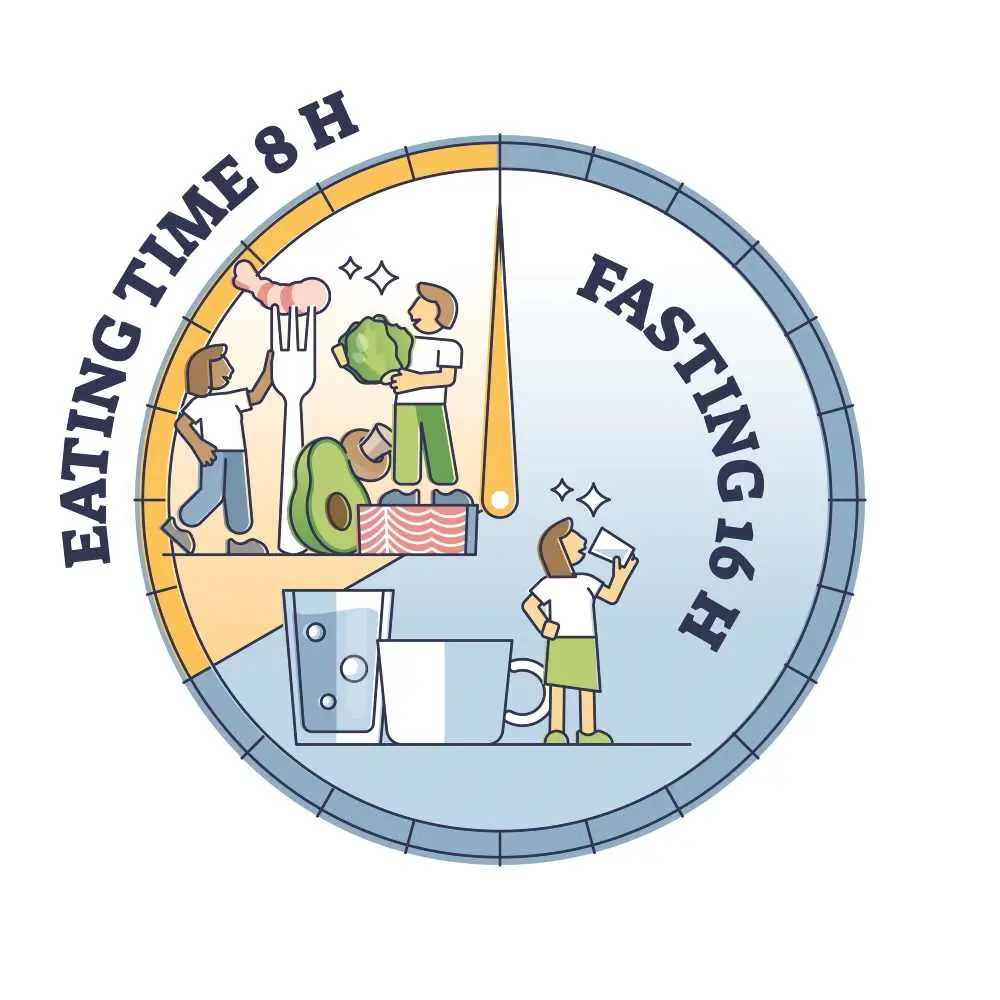
The most commonly practiced type is the 16:8 model, which involves fasting for 16 hours and consuming meals within an 8-hour window. It should be planned according to individual health status and goals.
Before starting intermittent fasting, it is essential to consult the Department of Nutrition and Dietetics or Internal Medicine and obtain a physician’s evaluation.
How Does Intermittent Fasting Work?
Intermittent fasting is a nutritional model that involves structured eating and fasting periods within specific time frames during the day or week. The aim is to support metabolic regulation by incorporating defined fasting intervals. This method is not a specific diet plan, but rather a time-based nutritional strategy.
The most commonly practiced type is the 16:8 model, which involves fasting for 16 hours and consuming meals within an 8-hour window. It should be planned according to individual health status and goals.
Before starting intermittent fasting, it is essential to consult the Department of Nutrition and Dietetics or Internal Medicine and obtain a physician’s evaluation.
How does it work?
- It helps lower insulin levels
- It initiates fat burning after glycogen stores are depleted
- It may support the cellular repair process (autophagy)
- It facilitates calorie control
What Can I Eat While Intermittent Fasting?
During Intermittent Fasting, it is essential to consume high-quality and well-balanced meals within the eating window. Foods rich in protein, fiber, and healthy fats help prolong satiety. Processed foods and refined sugars are not recommended, as they cause rapid spikes in blood glucose levels. The goal is to make nourishing choices that support the fasting period.
Foods that may be preferred:
- Protein sources such as eggs, chicken, fish, and red meat
- Vegetables and fiber-rich foods
- Whole grains
- Healthy fats such as avocado, olive oil, and nuts
- Fermented products such as yogurt and kefir
Intermittent Fasting Benefits
Intermittent Fasting is one of the most preferred approaches due to its supportive role in weight control. By improving insulin sensitivity, it may have positive effects on blood glucose regulation. It may also contribute to increased energy levels and enhanced mental clarity. In addition, some studies suggest that it supports cellular renewal processes.
Potential benefits:
- It may increase fat burning
- It may help reduce insulin resistance
- It may support metabolic function
- It may naturally reduce calorie intake
- It may promote cellular repair processes
Is intermittent fasting safe?
Intermittent Fasting is generally considered safe for most healthy adults. However, pregnant individuals, patients with diabetes, those with chronic conditions, and individuals with a history of eating disorders should consult a physician before starting this practice.
Nutritional Recommendations While Practicing Intermittent Fasting
During Intermittent Fasting, adequate hydration is essential, and calorie-free beverages should be preferred during the fasting period. Excessive calorie loading should be avoided within the eating window. A balanced macronutrient distribution should be maintained, and protein intake should not be neglected. For long-term sustainability, overly restrictive approaches should be avoided.
- Drink sufficient water throughout the day
- You may consume unsweetened tea and coffee
- Plan protein-focused meals
- Increase fiber-rich vegetables
- Avoid highly processed foods
- Pay attention to portion control during meals