


 Let Us Call You


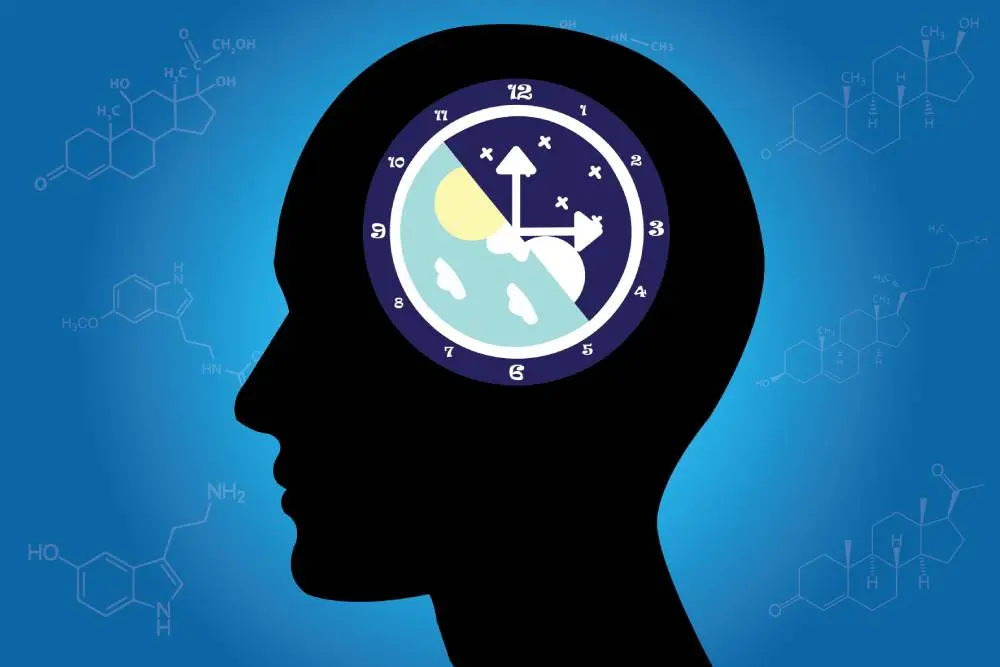
Melatonin is a natural hormone secreted by the pineal gland in the brain that regulates the body’s biological clock. It determines the timing of an individual’s sleep–wake cycle. Its levels increase in darkness, preparing the body for rest. With daylight, its levels decrease and wakefulness is supported. Changes in melatonin balance may affect sleep patterns and the circadian rhythm.
What is Melatonin?
Melatonin is an essential hormone that regulates the body’s natural sleep timing. The pineal gland controls melatonin production by responding to signals of light and darkness. When night falls and the body transitions into sleep mode, production increases, initiating the biological processes that prepare the body for sleep. With morning daylight, melatonin levels decline and wakefulness begins.
Melatonin is produced naturally in the body and can also be taken in supplement form. However, supplements do not replace the body’s own production mechanism; they only provide external support.
What Does Melatonin Do?
Melatonin’s primary function is to synchronize your body’s internal clock. It does not act as a direct sedative like a “sleeping pill”; rather, it signals to your body that it is time to rest.
Melatonin works in the following way:
- It rises in the evening, initiating preparation for sleep.
- It remains elevated throughout the night.
- It decreases in the morning, supporting wakefulness.
- It is suppressed by exposure to light.
For this reason, exposure to bright screens late at night may reduce melatonin production and make it more difficult to fall asleep.
What are the Benefits of Melatonin?
The primary benefit of melatonin is the regulation of sleep timing. Properly timed melatonin production helps maintain a consistent sleep and wake cycle.
The effects of melatonin on the body include the following:
- It supports the transition into sleep.
- It helps balance the biological clock.
- It may be beneficial in situations involving time differences, such as jet lag.
- It can provide support for sleep regulation in shift workers.
In addition, melatonin is known to have antioxidant properties; however, research on these effects is ongoing.
What are Normal Melatonin Levels?
Melatonin levels naturally fluctuate throughout the day, and this variation is considered an indicator of a healthy biological clock.
Its general characteristics can be outlined as follows:
- They remain low during daytime hours.
- They begin to rise in the evening with the onset of darkness.
- They reach their peak late at night.
- They decline again in the early morning hours.
Age-related differences may also be observed:
- Newborns begin producing melatonin a few months after birth.
- Children generally have higher levels.
- Production may decrease with advancing age.
Normal reference values may vary depending on the laboratory and the measurement method; therefore, evaluation is typically conducted in conjunction with clinical findings.
What are Signs of Melatonin Deficiency?
Melatonin deficiency typically manifests through disruptions in the sleep–wake cycle. When the body’s biological clock does not function properly, sleep quality may decline and daily energy levels can be affected. This may lead to fatigue and a persistent sense of tiredness.
Possible signs of melatonin deficiency include:
- Difficulty falling asleep
- Frequent awakenings during the night
- Waking up too early in the morning
- Feeling unrefreshed upon waking
- Daytime fatigue or low energy
- Irregular sleep schedules
Which Conditions Are Related To Melatonin Issues?
Melatonin imbalances are commonly associated with circadian rhythm disorders. Both low and high melatonin levels may affect sleep patterns and overall biological balance.
Conditions related to melatonin include:
- Hypomelatoninemia (low melatonin levels)
- Hypermelatoninemia (high melatonin levels)
- Insomnia
- Jet lag
- Shift work sleep disorder
- Delayed sleep phase disorder
This content is for informational purposes only and is not a substitute for medical advice. If you’re experiencing any of these symptoms, please contact us for professional help.
Which medical department should be consulted in cases of melatonin deficiency?
In situations where melatonin hormone deficiency is suspected, the Department of Internal Diseases should be consulted first. If deemed necessary, the patient may be referred to the Department of Endocrinology for evaluation of hormonal status.