


 Let Us Call You


The benefits of avocado have gained global attention due to its rich nutritional profile and positive effects on overall health. Known as a nutrient-dense superfood, avocado is widely consumed for supporting heart health, skin vitality, and weight management. Rich in healthy fats, fiber, and essential vitamins, it plays an important role in balanced nutrition. Today, both individuals and healthcare professionals recognize avocado as a valuable addition to a healthy diet. In this guide, you can explore avocado nutrition facts and its scientifically supported health benefits.
What is Avocado?
Avocado is a tropical fruit known for its creamy texture and high nutritional value. It is widely used in both sweet and savory dishes due to its mild flavor and versatility. Avocado is a key component of the Mediterranean diet, which is associated with various health benefits. In Türkiye, avocado production has increased in recent years, making it more accessible for daily consumption. With the growing awareness of healthy living, it has become a staple in many balanced diet plans.
Nutritional Value of Avocado
Avocado nutrition facts reveal that it is rich in healthy monounsaturated fats, fiber, potassium, and antioxidants. These nutrients help provide sustained energy and promote long-lasting satiety. Due to its low sugar content, avocado can be easily incorporated into a balanced diet. It also contributes to meeting daily vitamin requirements, particularly vitamins C, E, and B complex. According to nutrition specialists, including nutrient-dense foods like avocado in daily meals can support overall health and well-being.
Average nutritional content per 100 grams of avocado:
- Calories: 160 kcal
- Fat: 15 g (mostly monounsaturated fats)
- Fiber: 7 g
- Potassium: 485 mg
- Vitamin C: 15% of daily requirement
- Rich in Vitamin E and B vitamins
What Are the Benefits of Avocado?
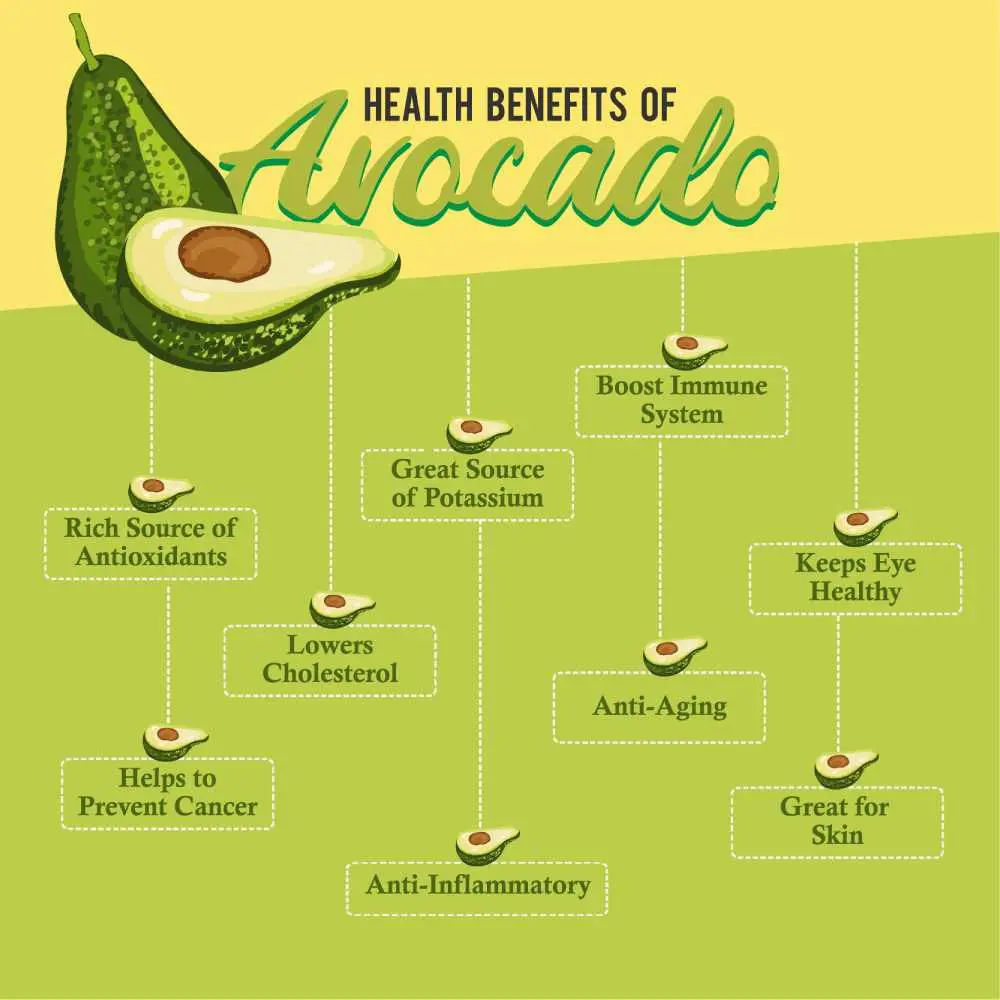
Avocado offers a wide range of health benefits thanks to its healthy fats, fiber, and antioxidant content. Regular and balanced consumption may support multiple body systems, including cardiovascular, digestive, and skin health. For individuals aiming to maintain a healthy lifestyle, avocado stands out as a functional and nutrient-rich food.
The main benefits of avocado include:
- Supporting heart health
- Improving digestion
- Aiding weight management
- Enhancing skin health
- Supporting eye health
Supports heart health
Avocado is rich in monounsaturated fatty acids, which may help reduce low-density lipoprotein (LDL), known as “bad cholesterol.” At the same time, it may increase high-density lipoprotein (HDL), which is beneficial for heart health. Its high potassium content contributes to maintaining healthy blood pressure levels. According to clinical nutrition experts, regular consumption of such healthy fats can reduce the risk of cardiovascular diseases.
Regulates the digestive system
Avocado is a high-fiber food that supports gut health and digestion. Fiber helps regulate bowel movements and prevents constipation. It also contributes to maintaining a healthy gut microbiota, which is essential for overall digestive function. Including fiber-rich foods like avocado in daily nutrition plans can significantly improve digestive health.
Helps with weight management
Avocado can support weight management due to its combination of healthy fats and fiber. These nutrients help increase satiety and reduce unnecessary calorie intake throughout the day. Despite being calorie-dense, it can be beneficial when consumed in controlled portions. Dietitians often recommend avocado as part of balanced weight management programs.
Supports skin health
Avocado contains vitamin E and powerful antioxidants that help protect the skin from oxidative stress. It supports skin hydration and contributes to a healthier and brighter appearance. Additionally, it may help reduce visible signs of aging caused by free radicals. For this reason, avocado is commonly included in both dietary plans and natural skincare routines
Contributes to eye health
Avocado is a source of lutein and zeaxanthin, two important antioxidants for eye health. These compounds help protect the eyes from harmful light exposure and may reduce the risk of age-related eye conditions. Regular consumption can support long-term visual health, especially in individuals with high screen exposure.
How Should Avocado Be Consumed?
Avocado is a versatile food that can be included in various meals. It can be added to salads, spread on toast, blended into smoothies, or consumed on its own. In Türkiye, it is commonly preferred as part of breakfast or as a healthy snack. However, since it is calorie-dense, portion control is important. Nutrition specialists recommend consuming avocado as part of a balanced and personalized diet plan.
Healthy Nutrition and Avocado Consumption in Turkey
Turkey has become a leading destination for health tourism, offering advanced medical services combined with comprehensive nutritional support. At Medicana International, personalized nutrition programs are developed by expert dietitians to support treatment outcomes and overall well-being. Especially in conditions such as cardiovascular diseases, metabolic disorders, and weight management, nutrition plays a critical role in the recovery process.
Nutrient-rich foods like avocado are often included in clinical nutrition plans to support patient recovery and long-term health. For international patients visiting Turkey, integrating balanced nutrition into medical care is an essential part of a holistic treatment approach. If you would like to receive professional nutritional guidance, you can contact the Nutrition and Diet Department at Medicana International.