


 Let Us Call You


Hashimoto’s disease, also known as Hashimoto’s thyroiditis, is an autoimmune condition in which the immune system attacks the thyroid gland. Over time, this may reduce thyroid hormone production and lead to hypothyroidism. Symptoms can include fatigue, weight changes, dry skin, constipation, cold sensitivity, and difficulty concentrating.
Although there is no specific diet proven to cure Hashimoto’s disease, research suggests that balanced and nutrient-rich eating habits may help support thyroid health and reduce inflammation. Nutritional approaches are often individualized depending on symptoms, nutritional deficiencies, and overall health status.
Key Takeaways
- A nutrient-dense and anti-inflammatory diet may help support overall health in people with Hashimoto’s disease.
- Certain nutrients such as selenium, zinc, iron, and vitamin D are important for thyroid function.
- There is no single Hashimoto’s diet that works for everyone, and dietary approaches may vary individually.
What is the Hashimoto’s Diet?
The Hashimoto’s diet refers to nutritional approaches designed to support thyroid function and overall wellness in individuals with Hashimoto’s thyroiditis. Most dietary recommendations focus on reducing inflammation, improving nutrient intake, and supporting immune balance.
Many experts recommend emphasizing whole and minimally processed foods while limiting ultra-processed products and excessive added sugar intake. Some individuals may also benefit from identifying food sensitivities or nutrient deficiencies under professional supervision.
Best Foods to Eat With Hashimoto’s Disease
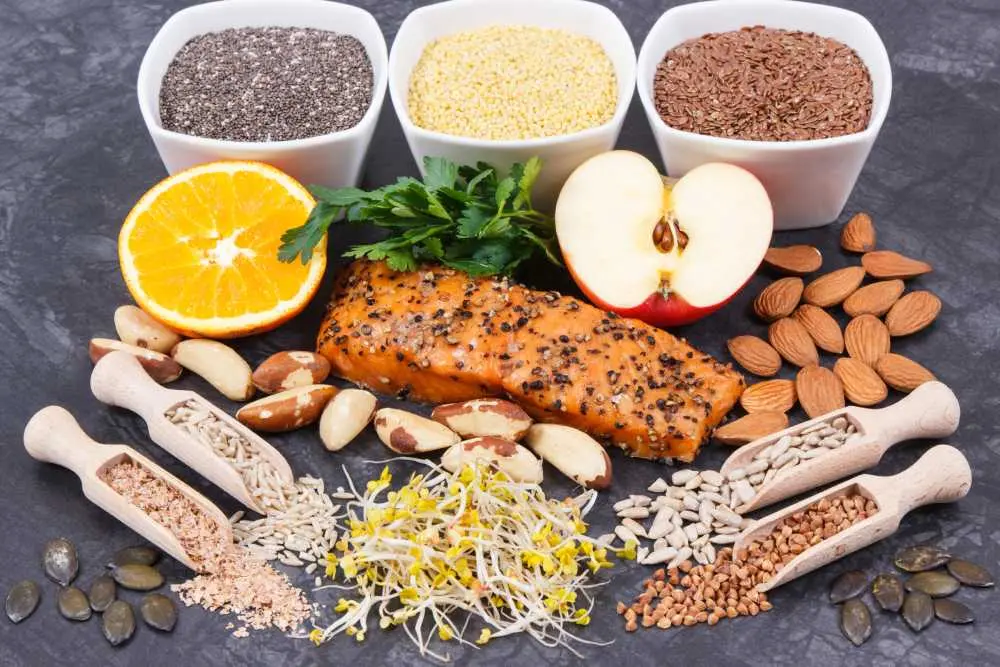
A balanced diet rich in vitamins, minerals, antioxidants, and fiber may help support thyroid function and overall health. Whole foods may also help support stable energy levels and general wellness.
Foods Commonly Recommended Include:
- Fruits
- Non-starchy vegetables
- Healthy fats
- Lean proteins
- Nuts and seeds
- Beans and lentils
- Gluten-free whole grains
- Foods rich in selenium and zinc
Nutrients such as selenium, zinc, iron, and vitamin D are particularly important because deficiencies may affect thyroid function and immune balance.
Foods That May Need to Be Limited
Not everyone with Hashimoto’s disease needs to avoid the same foods. However, some individuals may notice worsening symptoms after consuming certain dietary triggers.
Foods Sometimes Limited in Hashimoto’s Diet Plans
- Ultra-processed foods
- Excess added sugar
- Excessive iodine intake
- Highly processed snacks and fast food
- Excessive alcohol consumption
Some individuals may also choose to reduce gluten, dairy, or soy intake, particularly if sensitivities or autoimmune-related digestive conditions are present. Restrictive diets should ideally be planned under healthcare professional supervision.
Can Gluten Affect Hashimoto’s Disease?
Research has explored the relationship between gluten and Hashimoto’s thyroiditis, especially because autoimmune thyroid disorders are more common in people with celiac disease. Some individuals report symptom improvement after reducing or eliminating gluten from their diet.
However, there is currently no universal recommendation stating that everyone with Hashimoto’s disease must avoid gluten. Dietary changes should be individualized and based on medical evaluation and personal symptom response.
Important Nutrients for Thyroid Health
Certain vitamins and minerals play an important role in thyroid hormone production, immune balance, and overall metabolic function. Nutrient deficiencies may contribute to fatigue, low energy, and worsening thyroid-related symptoms in some individuals. Because Hashimoto’s disease is an autoimmune condition, maintaining adequate nutrient intake may help support overall health and daily functioning.
Selenium
Selenium plays a key role in thyroid hormone metabolism and antioxidant defense within the thyroid gland. Some research suggests that selenium may help support thyroid antibody balance in certain individuals with Hashimoto’s disease. Brazil nuts, seafood, eggs, and lean meats are among the most common dietary sources of selenium.
Zinc
Zinc contributes to immune function, hormone regulation, and cellular repair. Low zinc levels may affect thyroid hormone production and overall metabolic health. Foods such as legumes, nuts, seeds, meat, and shellfish are natural zinc sources.
Vitamin D
Vitamin D is involved in immune system regulation, and deficiency may be more common in autoimmune conditions such as Hashimoto’s thyroiditis. Adequate vitamin D levels may help support overall immune balance and bone health. Fatty fish, fortified foods, and sunlight exposure are important sources.
Iron
Iron is essential for oxygen transport and energy production. Iron deficiency may worsen symptoms such as fatigue, weakness, and difficulty concentrating in some individuals with thyroid disorders. Red meat, spinach, legumes, and fortified grains are common dietary iron sources. (health.com)
Clinical Insight: Research on Diet and Hashimoto’s Disease
Research published literature suggests that anti-inflammatory and nutrient-rich dietary patterns may help support symptom management and quality of life in individuals with Hashimoto’s thyroiditis. Studies also highlight that selenium, vitamin D, and balanced dietary habits may play supportive roles in thyroid health. However, researchers emphasize that nutrition should complement not replace standard medical treatment.
What Diet Patterns Are Commonly Used for Hashimoto’s?
Several dietary patterns are commonly discussed in relation to Hashimoto’s disease and thyroid health. While no single eating plan is considered universally effective, some approaches may help support balanced nutrition, reduce inflammation, and improve overall well-being in certain individuals. Dietary plans should ideally be personalized according to symptoms, nutritional needs, and medical history.
Mediterranean Diet
The Mediterranean diet focuses on vegetables, fruits, olive oil, legumes, fish, nuts, seeds, and minimally processed foods. Because it is naturally rich in antioxidants and healthy fats, it is often associated with anti-inflammatory benefits and cardiovascular support.
Anti-Inflammatory Diet
This dietary approach emphasizes whole foods while limiting refined sugar, processed snacks, and ultra-processed products. Anti-inflammatory eating patterns may help support overall wellness and energy levels.
Gluten-Free Diet
Some people with Hashimoto’s disease choose a gluten-free diet, especially if they also have celiac disease or gluten sensitivity. Research continues to explore the relationship between autoimmune thyroid disease and gluten-related conditions.
Autoimmune Protocol (AIP) Diet
The Autoimmune Protocol diet is a more restrictive elimination-style dietary approach sometimes used under professional supervision. It generally removes potential inflammatory foods temporarily before gradually reintroducing them to identify possible sensitivities.
Can Diet Cure Hashimoto’s Disease?
Diet alone cannot cure Hashimoto’s disease or reverse thyroid damage. Medical treatment and regular follow-up remain important parts of managing the condition. However, balanced nutrition may help support energy levels, overall health, and symptom management.
Working with healthcare professionals may help create an individualized nutrition plan appropriate for personal health needs.
Which department should I visit?
Individuals experiencing thyroid-related symptoms such as fatigue, weight changes, cold sensitivity, or suspected Hashimoto’s disease should consult the Endocrinology and Metabolism Diseases department. Nutritional guidance may also be provided by the Nutrition and Dietetics department.