


 Let Us Call You


Creatine is one of the most widely researched sports supplements and is commonly used to support muscle performance and exercise recovery. It is naturally produced in the body and stored mainly in muscles, where it helps generate energy during short bursts of intense activity. In addition to being produced by the body, creatine can also be obtained from foods such as red meat and seafood.
Today, creatine supplements are frequently used by athletes, physically active individuals, and people interested in strength training. Research continues to explore not only its role in sports performance but also its potential effects on muscle health and cognitive function.
Key Takeaways
- Creatine is a naturally occurring compound that helps produce energy during high-intensity physical activity.
- Creatine supplements are commonly used to support exercise performance, muscle strength, and recovery.
- Research suggests creatine is generally safe for healthy individuals when used appropriately.
What is Creatine?
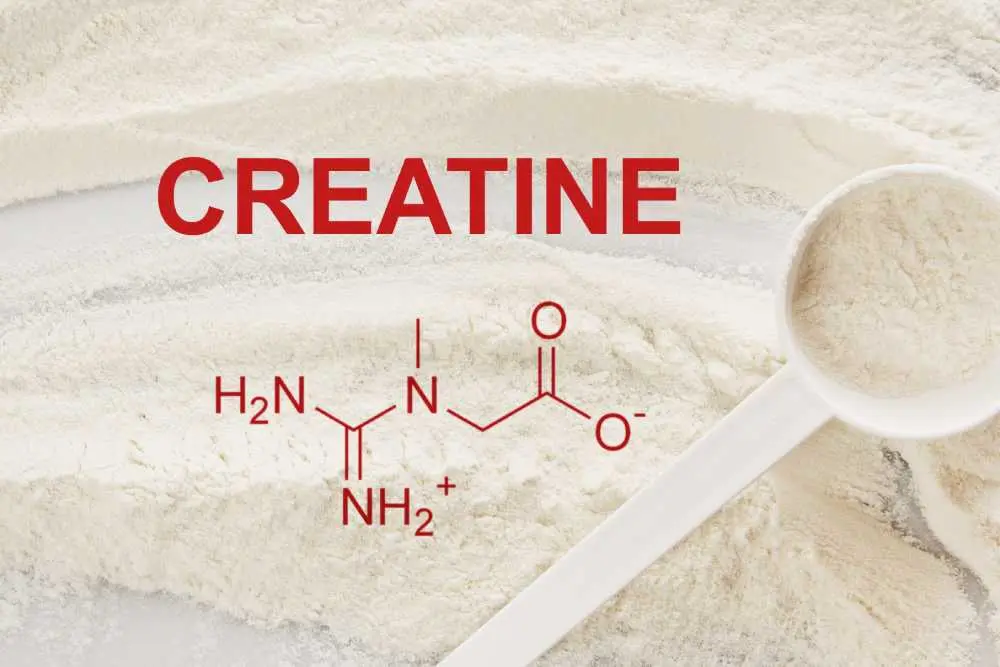
Creatine is a naturally occurring compound made from amino acids and primarily stored in skeletal muscles. It plays an important role in producing adenosine triphosphate (ATP), which is the body’s main source of quick energy during intense physical activity.
The liver, kidneys, and pancreas naturally produce creatine, while additional amounts can be obtained through diet or supplements. Creatine monohydrate is the most commonly used and studied supplement form.
Clinical Insight: Research on Creatine and Brain Function
Recent PubMed-indexed studies suggest that creatine may play a role beyond sports performance. Research indicates that creatine supplementation could support brain energy metabolism and may help improve short-term memory and cognitive processing in certain individuals, particularly during periods of stress or sleep deprivation. However, researchers emphasize that more studies are needed to fully understand its long-term neurological effects.
What Are the Benefits of Creatine?
Creatine supplementation is mainly associated with exercise performance and muscle support. Many studies suggest it may help improve short-term, high-intensity physical performance when combined with resistance training.
Potential benefits of creatine may include:
- Supporting muscle strength and power
- Improving exercise performance
- Supporting recovery after intense activity
- Increasing muscle mass when combined with training
- Helping maintain muscle energy production
Some research also suggests potential benefits related to brain energy metabolism and cognitive performance, although more studies are needed in this area.
How Does Creatine Work?
Creatine helps regenerate ATP, the body’s immediate energy source used during short bursts of intense movement such as sprinting or weightlifting. During high-intensity exercise, ATP stores can become depleted quickly. Creatine supports faster ATP regeneration, helping muscles continue producing energy during demanding activity.
Because of this mechanism, creatine is commonly used in sports and exercise programs focused on strength, power, and explosive performance.
Who Uses Creatine Supplements?
Creatine supplements are commonly used by athletes and individuals involved in resistance training or high-intensity exercise. However, interest in creatine has also increased among older adults and individuals focused on maintaining muscle health.
People who may use creatine include:
- Athletes
- Weightlifters
- Individuals performing high-intensity exercise
- People focused on muscle strength and recovery
- Older adults involved in resistance training programs
Supplement use should be individualized according to overall health status, exercise habits, and nutritional needs.
 ,
,
Is Creatine Safe?
Research generally suggests that creatine is safe for healthy individuals when used at recommended doses. Creatine monohydrate is one of the most extensively studied dietary supplements in sports nutrition.
Some individuals may experience mild side effects, especially during high-dose loading phases. Reported side effects may include:
- Water retention
- Bloating
- Stomach discomfort
- Diarrhea
- Temporary weight gain
Current evidence does not show significant kidney harm in healthy individuals using recommended doses. However, people with kidney disease or chronic medical conditions should consult a healthcare professional before using creatine supplements.
How Should Creatine Be Used?
Creatine supplementation protocols may vary depending on individual goals and activity levels. Some people follow a loading phase followed by maintenance doses, while others use smaller consistent daily doses.
General recommendations often include:
- Adequate hydration
- Following recommended dosage guidelines
- Combining supplementation with regular exercise and balanced nutrition
Consulting a healthcare professional or dietitian may help determine whether supplementation is appropriate for individual needs.
Can Everyone Take Creatine?
Creatine may not be suitable for everyone. Certain individuals should speak with a healthcare professional before using supplements, particularly if they have underlying health conditions or take medications regularly.
Individuals who should seek medical advice before using creatine include:
- People with kidney disease
- Pregnant or breastfeeding individuals
- People with chronic medical conditions
- Individuals using medications affecting kidney function
- Safe supplementation should always consider overall health status and medical history.