


 Let Us Call You


Sepsis occurs as a result of the immune system responding to an infection that develops within the body. This infection may spread throughout the body, leading to tissue damage and causing organ failure. The types of infections that develop trigger sepsis, which constitutes a medical emergency. Skin rash, urinary problems, and decreased energy are among the symptoms of sepsis. Administering treatment at an early stage supports the improvement of outcomes. Paying attention to hygiene rules and keeping wounds clean are ways to prevent sepsis.
Key Takeaways
- Sepsis is an acute clinical condition that develops as a result of an uncontrolled response to infection.
- Rash, temperature fluctuations, rapid heart rate, and shortness of breath are among the primary symptoms.
- Early diagnosis and treatment increase survival rates.
- High-risk groups include older adults, pregnant individuals, and those with chronic diseases.
- Hygiene and wound care play an important role in reducing the risk of sepsis
What is Sepsis?
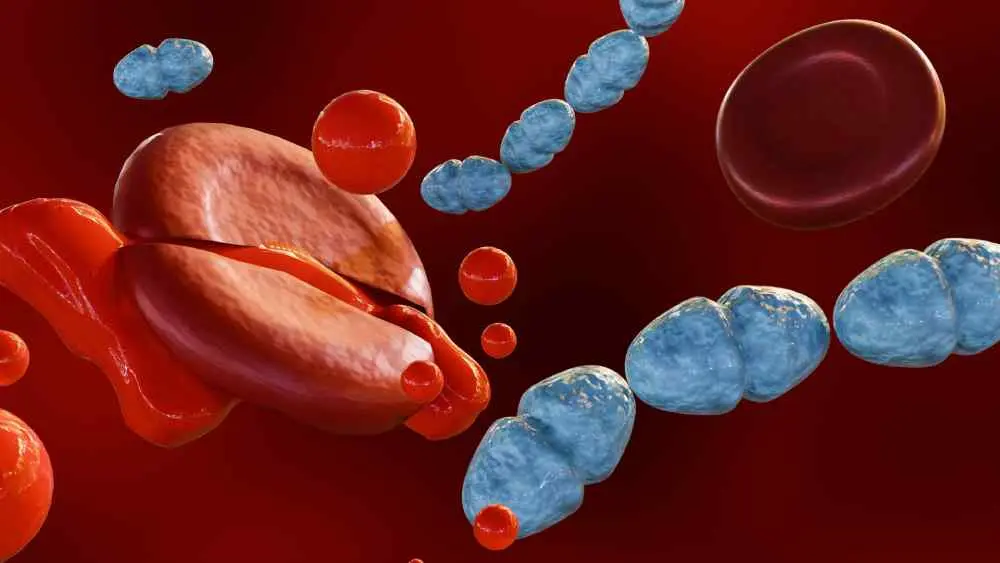
Sepsis is a condition that occurs as a result of the body’s response to an infection. Also known as a bloodstream infection, this condition develops when cells and tissues are damaged due to an infection arising in the body for any reason. Sepsis is the body’s most severe response to infection. When it develops, it can spread from the bloodstream throughout the body and progress to organ failure. Early treatment increases the survival rate.
What is septicemia?
Septicemia is an infection that occurs when microbes or bacteria enter the bloodstream and spread throughout the body.
Who Does Sepsis Affect?
Sepsis can affect people of all ages. However, in some situations, individuals are considered to be at high risk. Those at high risk can be listed as follows:
- Individuals over the age of 65
- Those who are pregnant
- Diabetes, obesity, cancer, and kidney disease
- Individuals with weakened immune systems
- Chronic conditions
- Those with serious conditions such as burns or injuries
- Newborns and children
What Are the Symptoms of Sepsis?
Sepsis is a condition that can affect every part of the body and manifests itself with a rash. The rash may cause the skin to appear red and discolored. Therefore, the most common symptom of sepsis is dark red spots.
The symptoms of sepsis can be listed as follows:
- Urinary problems
- Decreased energy
- Rapid heart rate
- Low blood pressure
- Shivering or feeling cold
- Moist skin
- Fever or hypothermia
- Shortness of breath
- Pain or a sense of discomfort
What Causes Sepsis?
Infections caused by microbes or bacteria are the most prominent cause of sepsis. Parasitic, fungal, and viral infections can be listed as other causes of sepsis. Additionally, if organ dysfunction within the body triggers a reaction, there is a possibility of sepsis developing. The infection that causes sepsis may begin in any part of the body.
The most commonly observed causes of sepsis can be listed as follows:
- Infections that affect the lungs
- Infections that develop in the urinary tract
- Infections that develop in the appendix, intestines, or gallbladder
- Infections that affect the brain and spinal cord
- Bacteria transmitted through skin wounds, inflammation, or catheters
How is Sepsis Diagnosed?
In the diagnosis of sepsis, identifying individuals with an infection quickly is important for treatment. For this reason, specialist physicians use physical examination, laboratory tests, and imaging methods to detect the infection in the body and make a diagnosis. When some of the following conditions are observed in an individual, the likelihood of receiving a sepsis diagnosis becomes high:
- Low blood pressure
- Increased respiratory rate
- Glasgow Coma Scale
The specialist physician may use the following tests to determine the presence of an infection or any organ damage:
- Complete blood count
- Blood oxygen level
- Urine tests
- Imaging tests
How is Sepsis Treated?
In sepsis, early diagnosis and the treatment that follows are important. After the specialist physician makes the diagnosis, the following treatment methods may be applied depending on the patient’s condition:
- Antibiotics
- IV (intravenous) fluids to maintain blood flow
- Vasopressor medications
- Supportive care in cases of organ failure
- Surgery to remove damaged tissue
What are the Ways to Prevent Sepsis?
To prevent sepsis, it is first important to pay attention to hygiene rules and to keep wounds clean. In addition to these, when symptoms of infection are observed, it is necessary to seek emergency care quickly. The ways to prevent sepsis can be listed as follows:
- Adhering to hygiene rules
- Keeping cuts and wounds clean
- Maintaining routine check-ups for chronic diseases
- Seeking medical assistance quickly in the event of an infection
This content is for informational purposes only and is not a substitute for medical advice. If you’re experiencing any of these symptoms, please contact us for professional help.
Which department should be consulted for sepsis?
When symptoms of sepsis are observed, it is necessary to visit the infectious diseases department. In this way, early diagnosis allows for rapid treatment.


