


 Let Us Call You


One of the largest health challenges in the world is infectious diseases. These diseases arise when the body is infected by diseases. They are able to infect individuals at a high rate, at a community level, or even at county level. Knowledge of the initiation and spread of infections and prevention methods is a major factor in safeguarding the health of the population.
What Are Infectious Diseases?
Microscopic organisms (bacteria, viruses, fungi, or parasites) cause infectious diseases. These pathogens may interfere with the normal functioning of the body and result in illness when they get in the human body. Other infections are short-lived and mild, whereas others may be severe and may be life threatening. They may happen to all people irrespective of their age and origin.
Which Diseases Are Considered Infectious?
A lot of established diseases come under the category of infectious diseases. These disorders may involve various body organs and systems. Others can be very widespread and readily curable, and there are those that may result in severe outbreaks or pandemics.
Examples include:
- Influenza (Flu)
- COVID-19 (Coronavirus disease)
- Tuberculosis (TB)
- HIV/AIDS
- Malaria
- Measles
- Hepatitis (A, B, and C)
- Chickenpox
- Dengue fever
- Cholera
How Are Infectious Diseases Transmitted?
The pathways of spread of infectious diseases differ according to the kind of pathogen. Knowledge of the routes of transmission will aid in controlling and prevention of outbreaks. Pathogens may be transmitted between individuals, between people and animals and by contaminated environments.
Main transmission routes:
- Airborne: Inhalation of droplets of a sneeze or cough (influenza, COVID-19).
- Direct contact: The direct contact with infected persons, wounds, or contaminated objects.
- Food and water: The ingestion of contaminated food or water (cholera, salmonella).
- On a vector basis: Transmitted by insects such as malaria, dengue (by mosquitoes or ticks).
- Transfused: During transfusions, sharing needles or giving birth (HIV, hepatitis B)
How Are Infectious Diseases Diagnosed?
The diagnosis normally begins with a physical examination and symptom review. Lab tests contribute towards ensuring the kind of microorganism that has caused the infection. Contemporary diagnostic means have ensured that the diagnosis is quick and accurate, which enables prompt treatment.
Usual diagnostic procedures are:
- Blood tests: Identify antibodies or antigens associated with infection.
- Urine or feces tests: Determine bacteria or parasites in body waste.
- Swab samples: Are collected on the throat, nose, or wounds as a method of detecting viruses or bacteria.
- Tests based on imaging: X-rays or CT to check internal damage (pneumonia).
- PCR tests: Determine genetic material of viruses such as COVID-19 or influenza
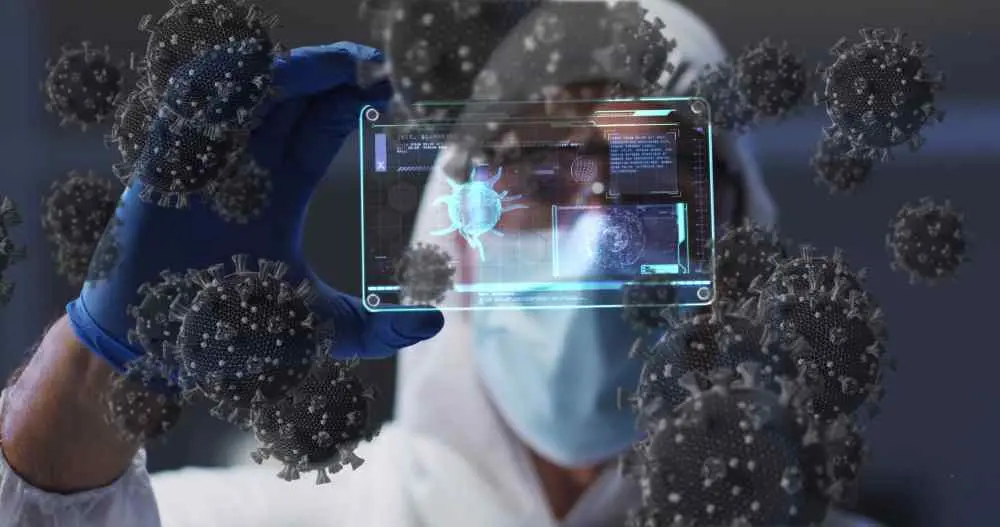
How Are Infectious Diseases Treated?
The nature of the microorganism and the severity of the disease determine the treatment. The primary objective is to destroy the pathogen, cure the symptoms and prevent complications. In others, hospitalization or isolation might be necessary to prevent the further spread.
Treatment options include:
- Antibiotics: To treat bacterial infections, such as strep throat or tuberculosis
- Antivirals: These are antivirals that are employed in the treatment of viral infections like HIV or influenza
- Anitfungals: Cure fungi such as candidiasis or ringworm
- Antiparasitic medications: These medications are applied to malaria and intestinal parasites
- Supportive treatment: Fluids, rest, and fever management to alleviate the symptoms
How Can We Prevent Infectious Diseases?
It is cheaper and more effective to prevent rather than to cure. The foundation of infection control is good hygiene and vaccination, as well as, public health awareness. Anyone can contribute to the prevention of the spreading of infectious diseases.
Key prevention strategies:
- Vaccination: Prevents such diseases as measles, flu and hepatitis
- Hand hygiene: Most germs are killed by washing with soap or using sanitizer
- Safe food precautions: Do not eat undercooked food and dirty water
- Wearing of protective equipment: Gloves and masks minimize the risk of exposure
- Minimizing physical contact: Stay at home when ill, maintain physical distance among infected individuals
- Control of vectors: Destroy sites of breeding of mosquitoes and apply insect repulsive
Frequently Asked Questions About Infectious Diseases
Can infectious diseases be completely cured?
Other infectious diseases are completely curable through proper treatment and others such as the HIV can only be controlled through long-term medication and treatment.
What are common pediatric infectious diseases?
Young children are prone to such infections as chickenpox, measles, mumps, and whooping cough that can be mostly prevented with early vaccination.
What are emerging infectious diseases?
New infections, or fast spreading infections like COVID-19, Zika virus, or Ebola that is threatening to the public health are known as emerging infectious diseases.
What’s the worst infectious disease?
Smallpox and plague were some of the most deadly ones in the past but currently, such diseases as HIV/AIDS, malaria, or COVID-19 have significant worldwide effects.


