


 Let Us Call You


Multiple myeloma is a type of blood cancer that develops in a specific white blood cell known as the plasma cell. Under normal circumstances, plasma cells play a key role in helping the body fight infections by producing antibodies that recognize and target harmful microorganisms. In multiple myeloma, this process becomes disrupted, and the disease can affect the bones, kidneys, and blood cells, leading to various medical complications. Although multiple myeloma is not considered curable, its symptoms can be effectively managed, and disease progression can be slowed through appropriate treatment strategies.
What is Multiple Myeloma?
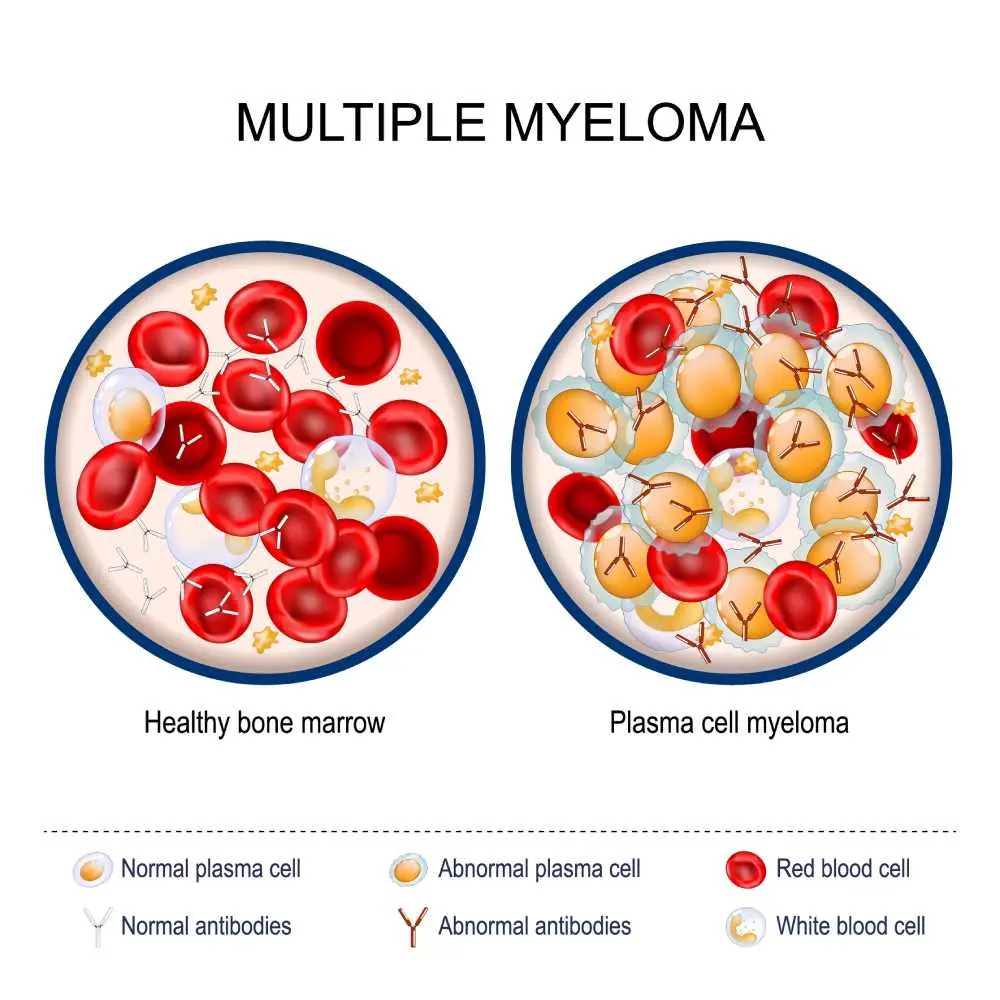
Multiple myeloma cancer occurs when healthy plasma cells change into abnormal cells that multiply rapidly and produce excessive amounts of a single type of antibody called M protein.
These cancerous cells accumulate in the bone marrow, where they crowd out healthy blood-making cells, leading to fatigue and a reduced ability to fight infections. Unlike some other cancers, this condition often affects multiple areas of the body simultaneously, impacting the bones, kidneys, and immune system performance.
Signs of Multiple Myeloma
Signs of multiple myeloma often include bone pain especially in the spine or chest along with nausea, constipation, and a loss of appetite as the disease progresses. In many cases, patients may notice physical changes such as:
- Bone Fragility
- Hypercalcemia
- Weight Loss
- Neurological Issues
Multiple Myeloma Symptoms
Symptoms of multiple myeloma typically involve persistent bone pain, frequent infections, and excessive thirst caused by kidney dysfunction. Because the plasma cells produce abnormal proteins instead of functional antibodies, patients often experience:
- Shortness of breath, dizziness, and extreme fatigue.
- Changes in urination or swelling in the legs and ankles.
- Getting sick more often and taking longer to recover.
- Easy bruising or bleeding from the gums and nose.
Multiple Myeloma Stages
Multiple myeloma stages are determined by the Revised International Staging System (RISS), which evaluates blood levels of albumin, lactate dehydrogenase, and specific genetic markers. This multiple myeloma classification helps doctors understand the progression:
- Smoldering Multiple Myeloma: An early, asymptomatic stage where treatment might not be immediately necessary.
- Stage I: Serum levels show early-stage disease with a relatively good multiple myeloma prognosis.
- Stage II: A middle ground where markers are higher than Stage I but not as severe as Stage III.
- Stage III: Advanced disease indicating significant bone involvement and higher tumor burden.
How is Multiple Myeloma Diagnosed?
Several diagnostic methods are used to identify multiple myeloma. The most commonly applied tests include the following:
Blood tests
A specialist evaluates blood test results to assess low blood cell counts and to identify enzyme levels that may indicate organ dysfunction. In addition, antibody levels and potential markers of tumor activity are carefully examined.
Urine tests
Urine samples are analyzed to detect elevated protein levels, which may be a sign of multiple myeloma and can contribute to establishing the diagnosis.
Imaging tests
X-rays and CT scans are used to detect bone damage associated with multiple myeloma. MRI and PET scans help identify myeloma-related tumors and allow for the assessment of localized clusters of abnormal plasma cells.
Biopsy
A bone marrow biopsy involves examining a tissue sample taken from the bone marrow to determine the presence of abnormal plasma cells.
Genetic testing
A healthcare professional may perform DNA analysis on the biopsy sample. This testing aims to identify genetic alterations that may drive cancer growth and progression.
Multiple Myeloma Treatment
Treatment for multiple myeloma has advanced significantly and often involves a combination of targeted therapy, chemotherapy, and corticosteroids to manage the growth of malignant plasma cells.
Many patients also undergo bone marrow transplants or receive immunotherapy, which empowers the body’s own immune system to identify and destroy the cancer. The primary goal of medical intervention is to induce remission, reduce bone damage, and manage the complications associated with the overproduction of M proteins.
Which medical department should be consulted for Multiple Myeloma?
Hematology is the medical specialty that focuses on diseases of the blood. It evaluates and manages conditions such as multiple myeloma, lymphoma, and both acute and chronic leukemia, as well as other related blood disorders.


