


 Let Us Call You


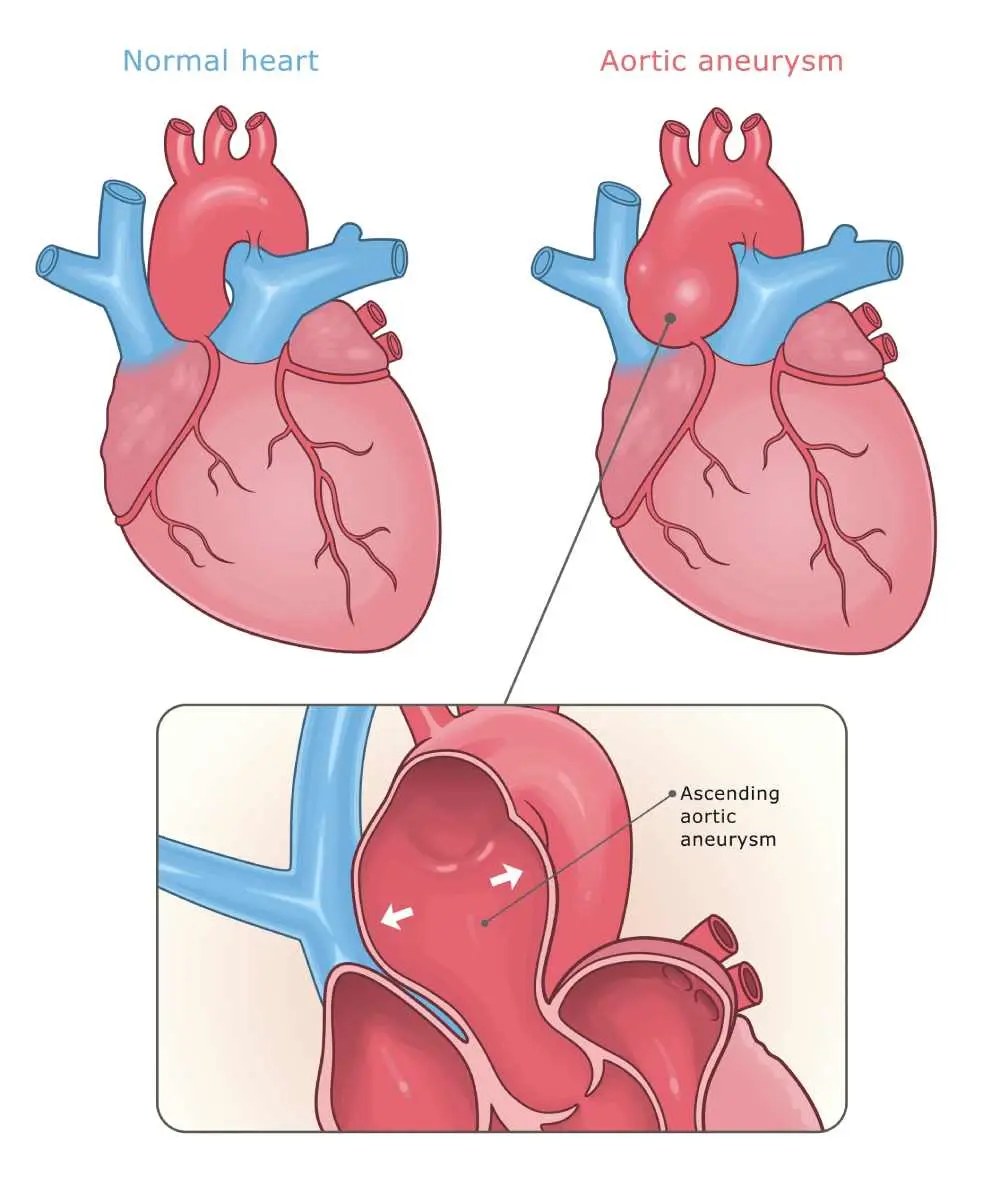
Aortic Aneurysm is a serious medical condition characterized by a balloon-like bulge in the aorta, the main artery that carries blood from the heart to the rest of the body. Because the aorta is the body's primary supplier of blood, a ruptured aneurysm can cause life-threatening internal bleeding. While many aneurysms develop slowly and exhibit no obvious symptoms, regular screening and monitoring are essential for those at high risk to prevent sudden complications.
Aortic Aneurysm Types
Various aortic aneurysm types are classified based on their specific location along the artery, with the two primary categories being abdominal and thoracic. An abdominal aortic aneurysm occurs in the lower part of the aorta, while a thoracic aortic aneurysm develops in the chest area.
Doctors also use the aortic aneurysm icd 10 coding system to precisely classify these variations for clinical records and insurance purposes, ensuring patients receive the specific care required for their unique diagnosis.
Aortic Aneurysm Cause
The primary aortic aneurysm radiology findings often point to a gradual weakening of the aortic wall, which can be triggered by several physiological factors.
- Atherosclerosis: The buildup of plaque can damage the lining of the artery, making it less flexible.
- Hypertension: Chronic high blood pressure puts constant stress on the arterial walls.
- Genetic Conditions: Disorders like Marfan syndrome can weaken the body's connective tissues, including the aorta.
- Smoking: Tobacco use is the most significant risk factor, as it directly damages the arteries and promotes inflammation.
- Infection or Injury: Though rare, infections like syphilis or physical trauma can lead to wall weakening.
Aortic Aneurysm Symptoms
While many remain hidden, aortic aneurysm symptoms typically emerge only after the bulge has grown large enough to press on surrounding organs or tissues.
- Deep, boring pain
- Pulsating sensation
- Shortness of breath
- Swallowing difficulties
- Hoarseness
Signs Of Aortic Aneurysm
The most common signs of aortic aneurysm found during a physical exam involve a combination of visual observations and tactile findings that indicate a weakness in the arterial wall.
- Pulsating Abdominal Mass: A palpable bulge near the navel that pulses in synchronization with the patient's heartbeat.
- Asymmetrical Pulse: A noticeable difference in pulse strength or blood pressure readings between the right and left arms, often seen in thoracic cases.
- Abdominal or Back Bruits: An abnormal "whooshing" sound heard through a stethoscope, caused by turbulent blood flow within the aneurysm.
- Sudden Hypotension: A rapid drop in blood pressure, which may indicate that the aneurysm is leaking or beginning to dissect.
- Tachycardia: An abnormally rapid heart rate as the body attempts to compensate for internal circulatory stress.
Aortic Aneurysm Diagnostic Methods
When an aortic aneurysm is suspected, medical imaging is the gold standard for confirming the size and exact location of the bulge.
- Ultrasound: Often the first test used for screening, especially for abdominal aneurysms.
- CT Scan: Provides highly detailed, cross-sectional images of the aorta to measure the aneurysm accurately.
- MRI: Uses magnetic fields to create detailed images without the use of radiation.
- Angiography: An X-ray of the blood vessels using dye to see the blood flow through the aorta.
Aortic Aneurysm Treatment
The chosen aortic aneurysm treatment plan depends heavily on the size of the aneurysm and how fast it is growing over time. For small aneurysms that are not causing symptoms, doctors usually recommend "watchful waiting," which involves regular imaging tests every 6 to 12 months to monitor for changes.
Patients are also prescribed medications to lower blood pressure and cholesterol, which helps reduce the mechanical stress on the weakened arterial wall. Lifestyle changes, particularly smoking cessation, are mandatory to prevent the condition from worsening.
Aortic Aneurysm Surgery
When the risk of rupture outweighs the risks of the procedure, aortic aneurysm surgery becomes necessary to repair the damaged section of the artery. One common approach is open-abdominal or open-chest surgery, where the damaged section of the aorta is removed and replaced with a synthetic tube called a graft.
A less invasive option is endovascular aneurysm repair (EVAR), where a stent graft is inserted through the femoral artery in the groin and moved up to the aorta to reinforce the weakened area. The decision between these methods is based on the patient's overall health and the specific anatomy of the aneurysm.
Frequently Asked Questions About Aortic Aneurysm
What are the symptoms of an aortic aneurysm in a man?
Men often experience a pulsating feeling near the navel, persistent back pain, or deep abdominal discomfort that does not go away with rest or position changes.
What is the main cause of aortic aneurysm?
The most significant cause is the hardening of the arteries due to atherosclerosis, which is further exacerbated by long-term smoking and high blood pressure.
How long can a person live with an aortic aneurysm?
Many people live for decades with a small, stable aneurysm that is carefully monitored and managed through blood pressure control and healthy lifestyle choices.
How do you treat an aortic aneurysm?
Treatment involves a combination of close monitoring with imaging, blood pressure medications to reduce arterial stress, and surgical intervention if the aneurysm reaches a dangerous size.
Which medical department should be consulted for Aortic Aneurysm?
You should consult the Vascular Surgery or Cardiology department, as these specialists are trained in the diagnosis and surgical management of arterial disorders.


