


 Let Us Call You


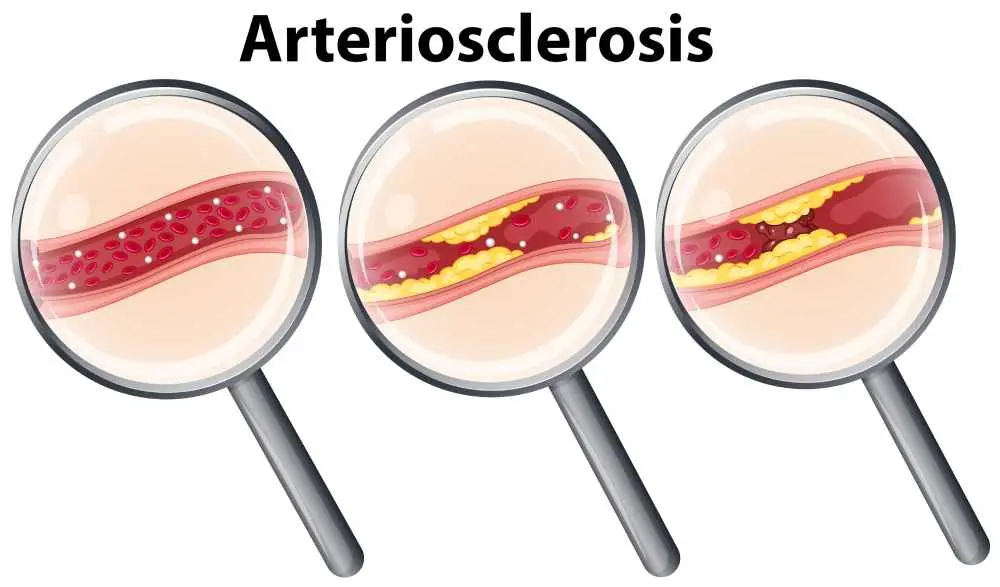
Arteriosclerosis is a general vascular disease that occurs as a result of the thickening and hardening of arterial walls, leading to a reduction in vascular elasticity. When arteries lose their elasticity, blood flow becomes impaired and sufficient oxygen may not be delivered to vital organs. The most common and clinically significant type is atherosclerosis. In this condition, accumulations of fat and cholesterol, referred to as plaques, form within the vessel. Over time, this process may lead to serious complications such as heart attack, stroke, and peripheral arterial disease.
What is Arteriosclerosis?
Arteriosclerosis is a type of disease characterized by the hardening and thickening of the arteries. While healthy arteries carry blood efficiently due to their elastic structure, when arteriosclerosis develops, the arterial walls become rigid and blood flow is restricted. This condition adversely affects the blood supply to the heart, brain, and other organs. Atherosclerosis is the most common form of arteriosclerosis and occurs together with the accumulation of plaques within the vessel.
Types of arteriosclerosis
Arteriosclerosis may present in different forms, and each type leads to distinct structural changes in the vascular wall. These types are classified according to the affected vessel type and the underlying mechanism. Clinically, the most frequently encountered type is atherosclerosis.
Atherosclerosis
It is the most common form of arteriosclerosis. Plaques form as a result of the accumulation of fat, cholesterol, and other substances on the inner surface of the arteries. These plaques narrow the vessel, reduce blood flow, and increase the risk of thrombosis.
Arteriolosclerosis
It affects smaller-caliber arteries (arterioles). It is particularly observed in patients with diabetes and hypertension. It is characterized by the thickening and narrowing of small vessels.
Monckeberg Medial Calcific Sclerosis
It occurs due to calcium deposition in the middle layer of medium-sized arteries. It generally does not narrow the vascular lumen but reduces arterial elasticity.
What are the Symptoms?
Arteriosclerosis may not produce symptoms in its early stages. Clinical manifestations vary depending on the affected vessel and the degree of narrowing. As the vessel progressively narrows and blood flow to organs decreases, clinical findings begin to emerge.
Possible symptoms of arteriosclerosis may include:
- Chest pain
- Shortness of breath
- Pain or cramping in the legs
- Weakness and fatigue
- Sudden speech disturbance or loss of vision
- A sensation of coldness or numbness
What Causes Arteriosclerosis?
Arteriosclerosis may develop as a result of damage to the inner lining of the vessels. Following this damage, cholesterol and other substances accumulate within the arterial wall and form plaques. The process typically progresses slowly over many years.
The main causes of arteriosclerosis include:
- Elevated cholesterol levels
- High blood pressure
- Smoking
- Diabetes
- Chronic inflammation
- Unhealthy dietary habits
Risk Factors for Arteriosclerosis
Both modifiable and non-modifiable risk factors play a role in the development of arteriosclerosis. Controlling these risk factors may help slow the progression of the disease.
Risk factors for arteriosclerosis may be listed as follows:
- Advanced age
- Family history of heart disease
- Obesity
- Sedentary lifestyle
- High LDL (low-density lipoprotein, “bad” cholesterol)
- Low HDL (high-density lipoprotein, “good” cholesterol)
- Smoking
- Diabetes
- Hypertension
What is the impact of arteriosclerosis?
Arteriosclerosis may lead to serious complications by reducing blood flow to vital organs. Vascular occlusion can result in sudden and potentially fatal outcomes.
The possible consequences of arteriosclerosis may be listed as follows:
- Myocardial infarction
- Stroke
- Peripheral arterial disease
- Renal damage
- Development of aneurysm
- Organ failure
How is Arteriosclerosis Diagnosed?
Before a diagnosis of arteriosclerosis is established, the patient’s medical history, physical examination, and various imaging studies are utilized. The assessment of risk factors also constitutes an essential part of the diagnostic process.
Diagnostic methods for arteriosclerosis may be listed as follows:
- Blood tests (measurement of cholesterol and glucose levels)
- Electrocardiography (ECG)
- Exercise stress test
- Doppler ultrasonography
- CT angiography
- MR angiography
- Conventional angiography
What is the Treatment for Arteriosclerosis?
The primary goal in the treatment of arteriosclerosis is to slow the progression of arterial stiffening and to prevent serious complications such as myocardial infarction or stroke. The treatment plan is individualized according to the affected vessel, the degree of narrowing, and the patient’s overall health status. Arteriosclerosis management aims to delay disease progression and minimize the risk of complications. The therapeutic approach is determined based on the severity of the condition and the involved artery.
Treatment options include:
- Lifestyle modifications (healthy diet, regular exercise)
- Cholesterol-lowering medications
- Antihypertensive drugs
- Anticoagulants or antiplatelet agents
- Angioplasty and stent placement
- Bypass surgery
Can Arteriosclerosis Be Prevented?
Although arteriosclerosis cannot be completely prevented, its risk can be significantly reduced by controlling modifiable risk factors. Adopting healthy lifestyle habits at an early age is of particular importance.
Preventive measures for arteriosclerosis include:
- A balanced diet low in saturated fat
- Regular physical activity
- Smoking cessation
- Maintaining a healthy body weight
- Monitoring blood pressure and cholesterol levels
- Effective diabetes management
When should I see my healthcare provider?
In the presence of symptoms such as chest pain, sudden speech disturbance, shortness of breath, or severe leg pain, you should seek immediate medical attention without delay. Regular medical check-ups are particularly important if you have risk factors for cardiovascular disease.
Which medical department should be consulted for arteriosclerosis?
In the presence of symptoms suggestive of arteriosclerosis, the Department of Cardiovascular Surgery should be consulted.


