


 Let Us Call You


Budd-Chiari syndrome occurs as a result of obstruction or severe narrowing of the veins responsible for draining blood from the liver. The causes of this condition include blood vessel blockages and inflammation. Treatment focuses on improving blood flow from the liver. Treatment methods for Budd-Chiari syndrome include minimally invasive procedures and surgical interventions.
Key Takeaways
- Budd-Chiari syndrome develops due to obstruction of the hepatic veins.
- The most common cause is conditions that increase the blood’s tendency to clot.
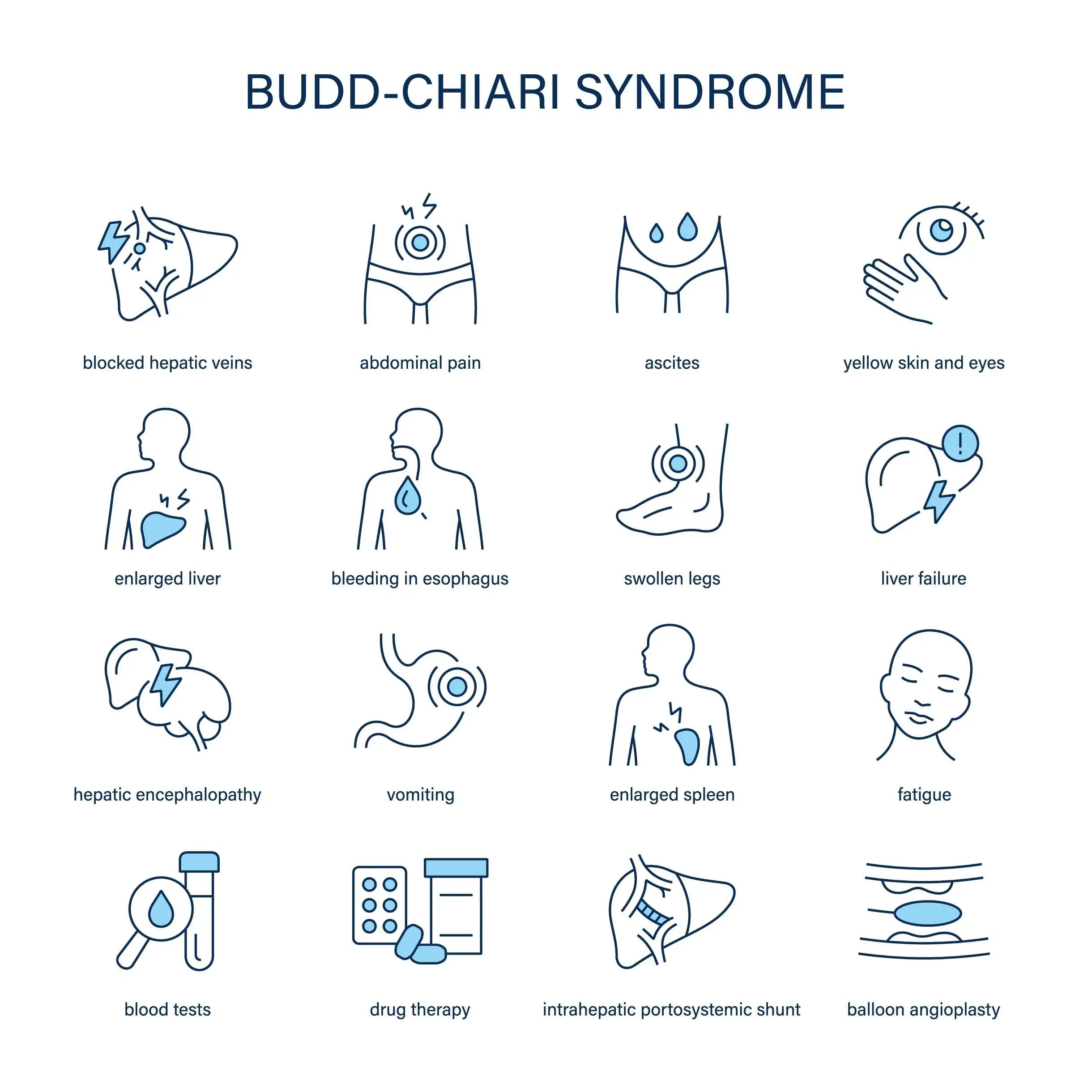
- Abdominal pain, ascites, and liver enlargement are among the most frequently observed symptoms.
- Early diagnosis and appropriate treatment can help prevent serious complications.
What is Budd-Chiari syndrome?
Budd-Chiari syndrome is defined as the narrowing or obstruction of one or more hepatic veins, which are responsible for carrying blood away from the liver. This narrowing may develop due to inflammation within the vessels or external compression. The obstruction may affect the entire vein or only a portion of it. In some cases, it may also occur as a result of a blood clot.
Other conditions associated with Budd-Chiari syndrome include:
- Portal hypertension: An increase in pressure within the portal vein, which carries blood from the digestive system to the liver.
- Varices: Enlarged veins that may develop in the esophagus, stomach, or rectum.
- Ascites: Accumulation of fluid within the abdominal cavity.
- Cirrhosis: Progressive and irreversible damage to the liver.
What Causes Budd-Chiari Syndrome?
Budd-Chiari syndrome develops as a result of a blockage that prevents blood from flowing out of the liver. The most common cause of this obstruction is the formation of blood clots within the veins. This leads to blood accumulation in the liver, increasing pressure within the organ and potentially causing tissue damage over time. The underlying causes may vary from patient to patient, and in some cases, multiple risk factors can coexist.
Main causes include:
- Blood clotting disorders
- Bone marrow diseases
- Autoimmune conditions
- Infections
- Tumors or masses
- Pregnancy and hormonal factors
- Hormone-based treatments such as oral contraceptives
In some patients, the exact cause may remain unidentified despite thorough evaluation.
What Are the Symptoms of Budd-Chiari Syndrome?
The symptoms of Budd-Chiari syndrome may vary depending on the speed of disease progression and the extent of liver damage. In acute cases, symptoms tend to appear suddenly and may be severe, whereas in chronic cases, the condition can progress more gradually with subtle findings. In some patients, the disease may remain asymptomatic for a long time and be detected incidentally.
Most common symptoms include:
- Abdominal pain
- Ascites (fluid accumulation in the abdomen)
- Liver enlargement
- Jaundice
- Nausea and vomiting
- Weakness and fatigue
The severity of symptoms may vary according to the stage of the disease and can increase over time.
How is Budd-Chiari Syndrome Diagnosed?
The diagnosis of Budd-Chiari syndrome is established through the combined evaluation of clinical findings and imaging techniques. Physicians first assess the patient’s symptoms, medical history, and potential risk factors in detail. Advanced imaging methods are then used to confirm the diagnosis and determine the location and extent of the obstruction.
Main diagnostic methods include:
- Blood tests
- Doppler ultrasound
- Computed tomography (CT)
- Magnetic resonance imaging (MRI)
These tests play a critical role in determining the severity of the disease and guiding the appropriate treatment plan.
How is Budd-Chiari Syndrome Treated?
The treatment of Budd-Chiari syndrome is determined based on the underlying cause of the obstruction, the severity of the disease, and the patient’s overall health condition. The primary goal of treatment is to restore normal blood flow in the liver and prevent potential complications. In this process, medical, interventional, and surgical approaches may be evaluated together.
Main treatment options include:
- Medical therapy
- Interventional procedures
- Shunt procedures
- Surgical treatment
- Liver transplantation
The treatment plan is typically personalized and developed by a multidisciplinary team.
When should you see a doctor?
If not recognized at an early stage, Budd-Chiari syndrome can progress rapidly and lead to serious complications. For this reason, it is important to seek medical attention without delay when certain symptoms appear. Individuals with known risk factors should be particularly attentive to these signs.
You should consult a doctor in the following situations:
- Severe and sudden onset abdominal pain
- Rapid abdominal swelling
- Development of jaundice
- Unexplained weakness and fatigue
- Early intervention can positively influence the course of the disease.
Which department should you consult for Budd-Chiari syndrome?
Budd-Chiari syndrome is typically managed by specialists in gastroenterology and hepatology. Depending on the severity of the condition, interventional radiology and liver surgery teams may also be involved in the diagnosis and treatment process.


