


 Let Us Call You


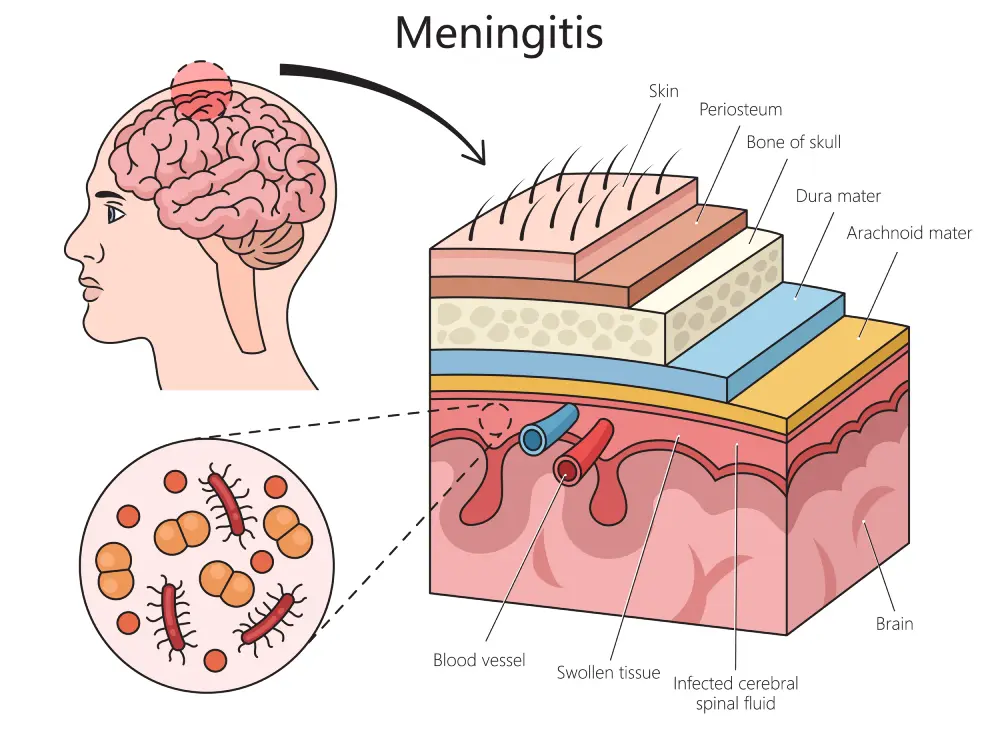
Meningitis is a serious condition that causes inflammation of the meninges, the protective membranes surrounding the brain and spinal cord. It can develop rapidly and may become life-threatening if not treated early, especially in cases of bacterial meningitis. While viral meningitis is generally less severe, it can still cause significant discomfort and complications. Many people search for answers to questions like how do you get meningitis or is meningitis contagious due to concerns about transmission. Understanding its symptoms, causes, and prevention methods is essential for early intervention and effective treatment.
Key Takeaways
- Meningitis is an inflammation of the membranes surrounding the brain and spinal cord and can be life-threatening.
- Bacterial meningitis is more severe and requires urgent antibiotic treatment, while viral meningitis is usually milder.
- Vaccination and early diagnosis are essential for preventing serious complications.
What is Meningitis?
Meningitis is the inflammation of the meninges, the membranes that cover the brain and spinal cord. It is most commonly caused by infections such as viruses and bacteria, although non-infectious causes can also occur. This inflammation can disrupt normal brain function and lead to serious neurological symptoms. The severity of meningitis varies depending on the underlying cause and how quickly treatment is initiated. In severe cases, particularly bacterial meningitis, the condition can rapidly progress and become life-threatening without prompt medical care.
Clinical Insight: Evidence-Based Understanding of Meningitis
What are Meningitis Symptoms?
Meningitis symptoms can appear suddenly and worsen quickly, making early recognition essential. Symptoms may differ depending on whether the condition is viral or bacterial. Viral meningitis symptoms are often milder, while bacterial meningitis symptoms tend to be more severe and progress rapidly. Symptoms may also vary by age, with infants showing less typical signs such as irritability or poor feeding.
Common symptoms include:
- High fever
- Severe headache
- Stiff neck
- Nausea and vomiting
- Sensitivity to light
- Confusion or difficulty concentrating
- Seizures
What are early stage meningitis symptoms?
Early stage meningitis symptoms often resemble flu-like signs, which can make the condition difficult to recognize at first. Common early symptoms include fever, headache, nausea, and general fatigue. As the condition progresses, more specific signs such as neck stiffness, sensitivity to light, and confusion may develop. Early recognition is critical, especially in bacterial meningitis, as prompt treatment can prevent serious complications.
What Causes Meningitis?
Meningitis is caused by infections that affect the meninges, with viral and bacterial meningitis being the most common types. Many people ask how do you get meningitis and the answer often involves exposure to infectious agents through close contact. Understanding how meningitis spreads is important for prevention and early detection.
Common causes include:
- Viral infections
- Bacterial infections
- Fungal infections
- Parasitic infections
- Non-infectious causes
Is Meningitis Contagious?
Yes, certain types of meningitis are contagious, especially viral and bacterial meningitis. The infection can spread through respiratory droplets, close contact, coughing, or sharing personal items. However, not all forms are equally contagious, and transmission depends on the specific cause of the infection.
What are the Risk Factors for Meningitis?
Certain factors can increase the risk of developing meningitis, particularly in environments where infections spread easily. These risks are often related to age, immune system strength, and exposure to others. People living in crowded environments or with weakened immunity are at higher risk.
Risk factors include:
- Young age
- Weak immune system
- Living in shared environments
- Lack of meningitis vaccine
- Chronic illnesses
What are the Complications of This Condition?
Meningitis can lead to serious complications, especially in untreated bacterial meningitis cases. These complications may affect both neurological function and overall health. The risk of long-term damage increases significantly if treatment is delayed.
Possible complications include:
- Brain damage
- Hearing loss
- Memory problems
- Seizures
- Sepsis
How is Meningitis Diagnosed?
Diagnosing meningitis requires rapid clinical evaluation and laboratory testing to determine the cause. Early diagnosis is critical, especially for bacterial meningitis, where immediate treatment is needed. Timely diagnosis significantly improves survival rates and reduces complications.
Diagnostic methods include:
- Physical examination
- Blood tests
- Lumbar puncture
- Imaging tests
What’s the Treatment for Meningitis?
Treatment depends on the type of meningitis and its severity. Bacterial meningitis requires urgent treatment with antibiotics, often referred to as antibiotic bacterial meningitis therapy. Viral meningitis treatment usually focuses on supportive care. Early treatment is essential to prevent severe complications and improve outcomes.
Treatment options include:
- Antibiotics for bacterial meningitis
- Antiviral medications
- Hospital care and monitoring
- Fluids and supportive therapy
- Intensive care in severe cases
Can Meningitis Be Prevented?
Meningitis can often be prevented through vaccination and good hygiene practices. The meningitis vaccine plays a key role in protecting against several forms of bacterial meningitis. Preventive strategies are especially important for high-risk groups and communities.
Prevention tips include:
- Stay up to date with meningitis vaccines
- Wash hands regularly
- Avoid close contact with infected individuals
- Maintain a strong immune system
What are meningitis vaccine side effects?
Meningitis vaccine side effects are usually mild and temporary. The most common reactions include pain or redness at the injection site, mild fever, headache, and fatigue. In rare cases, more serious side effects may occur, such as allergic reactions. However, vaccines are generally considered safe and are an important way to protect against serious forms of meningitis.
Which department should I visit?
Patients with meningitis symptoms should seek immediate care from the Infectious Diseases or Neurology department. Early evaluation is critical, especially in suspected bacterial meningitis cases. Emergency medical attention may be required in severe situations.


