


 Let Us Call You


Sleep apnea is a common but potentially serious sleep disorder that affects breathing during sleep. People with sleep apnea may experience repeated pauses in breathing, often without being aware of them. This condition can disrupt sleep quality and lead to excessive daytime fatigue. In many cases, it is first noticed through loud snoring or breathing interruptions reported by others. Understanding sleep apnea is important for improving sleep quality and preventing long-term health risks.
Key Takeaways
- Sleep apnea is a serious sleep disorder in which breathing repeatedly stops and starts during sleep.
- The most common type is obstructive sleep apnea, caused by airway blockage.
- Early diagnosis and treatment can help prevent complications such as heart disease and fatigue.
- Table Of Contents
- What is Sleep Apnea?
- What are the Types of Sleep Apnea
- What are Sleep Apnea Symptoms?
- What Causes Sleep Apnea?
- What are the Risk Factors for Sleep Apnea?
- What are the Complications of This Condition?
- How is Sleep Apnea Diagnosed?
- What’s the Treatment for Sleep Apnea?
- Can Sleep Apnea Be Prevented?
What is Sleep Apnea?
Sleep apnea is a disorder in which breathing repeatedly stops and starts during sleep. These interruptions can occur multiple times per hour and may reduce oxygen levels in the body. The condition often leads to poor sleep quality and daytime tiredness. If left untreated, sleep apnea may contribute to serious health problems, including cardiovascular disease.
What are the Types of Sleep Apnea
Sleep apnea is classified into different types depending on its underlying cause. Identifying the type is important for selecting the most appropriate treatment approach.
Types include:
- Obstructive sleep apnea (OSA): The most common type, caused by airway blockage due to relaxed throat muscles
- Central sleep apnea (CSA): Occurs when the brain does not send proper signals to control breathing
- Complex sleep apnea syndrome: A combination of both obstructive and central sleep apnea
What are Sleep Apnea Symptoms?
Sleep apnea symptoms can vary, but many are related to disrupted sleep and reduced oxygen levels. Some symptoms occur during sleep, while others affect daytime functioning. Symptoms may overlap between different types of sleep apnea.
Common symptoms include:
- Loud snoring
- Episodes of stopped breathing during sleep
- Gasping or choking during sleep
- Morning headaches
- Dry mouth upon waking
- Difficulty staying asleep
- Excessive daytime sleepiness
- Difficulty concentrating
- Irritability
What Causes Sleep Apnea?
The causes of sleep apnea depend on the type of the condition. In obstructive sleep apnea, the airway becomes blocked during sleep. In central sleep apnea, the brain fails to send proper signals to the breathing muscles. These disruptions interfere with normal breathing patterns and oxygen flow.
Common causes include:
- Relaxation of throat muscles (OSA)
- Brain signaling issues (CSA)
- Structural airway narrowing
- Obesity and excess tissue in the airway
What are the Risk Factors for Sleep Apnea?
Certain factors increase the risk of developing sleep apnea. These are often related to physical characteristics, lifestyle, or underlying health conditions. Understanding these factors can help with early detection and prevention.
Risk factors include:
- Obesity
- Older age
- Male gender
- Family history
- Smoking
- Alcohol or sedative use
- Nasal congestion
What are the Complications of This Condition?
Sleep apnea can lead to serious complications if left untreated. Repeated drops in oxygen levels and disrupted sleep can affect multiple body systems. Long-term complications may impact both physical and mental health.
Possible complications include:
- High blood pressure (hypertension)
- Heart disease
- Stroke
- Type 2 diabetes
- Chronic fatigue
- Difficulty concentrating
How is Sleep Apnea Diagnosed?
Sleep apnea is diagnosed through clinical evaluation and sleep studies. These tests monitor breathing patterns, oxygen levels, and sleep quality. Accurate diagnosis is essential for determining the severity of the condition.
Diagnostic methods include:
- Sleep study
- Home sleep apnea testing
- Physical examination
- Medical history review
What’s the Treatment for Sleep Apnea?
Treatment for sleep apnea depends on its severity and underlying cause. Many cases can be managed with lifestyle changes and medical devices. Early treatment can significantly improve sleep quality and reduce health risks.
Treatment options include:
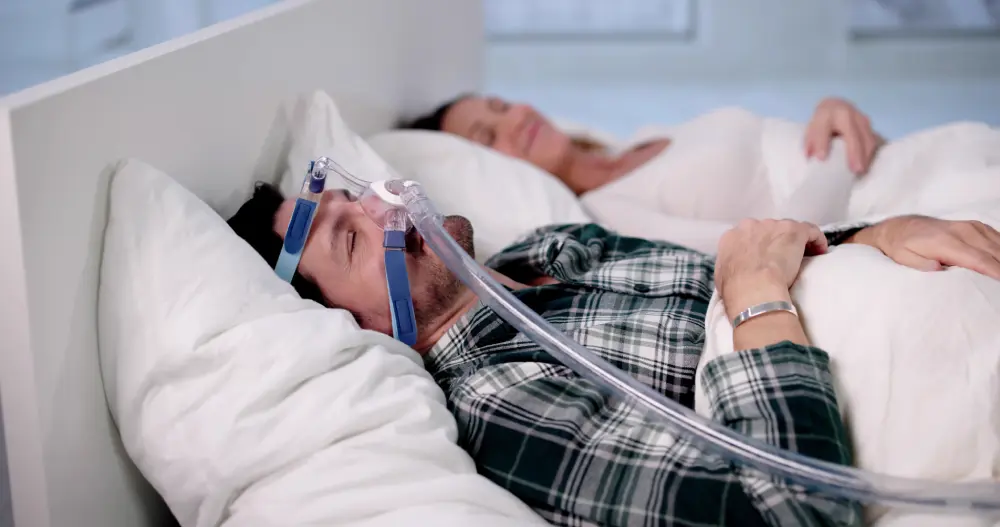
- Continuous Positive Airway Pressure (CPAP) therapy
- Lifestyle changes (weight loss, avoiding alcohol)
- Oral appliances
- Surgery (in selected cases)
- Positional therapy
Can Sleep Apnea Be Prevented?
Sleep apnea cannot always be prevented, but certain lifestyle changes may reduce the risk. Managing contributing factors can help improve breathing during sleep. Prevention strategies are especially important for high-risk individuals.
Prevention tips include:
- Maintain a healthy weight
- Avoid alcohol and sedatives
- Sleep on your side
- Treat nasal congestion
- Follow a regular sleep schedule
Which department should I visit?
Patients with sleep apnea symptoms should consult the Pulmonology or ENT (Ear, Nose, and Throat) department. Sleep specialists can provide diagnosis and appropriate treatment plans.


