


 Let Us Call You


Chia seeds are small edible seeds that have become increasingly popular in wellness-focused diets because of their nutritional profile and versatility. Despite their small size, chia seeds contain fiber, plant-based protein, omega-3 fatty acids, antioxidants, and essential minerals that may support overall health.
Originally cultivated in Central America, chia seeds are commonly added to smoothies, yogurt, oatmeal, salads, and puddings. Research continues to explore the potential role of chia seeds in heart health, digestive wellness, blood sugar balance, and healthy aging.
Key Takeaways
- Chia seeds are rich in fiber, omega-3 fatty acids, antioxidants, and plant-based protein.
- Research suggests chia seeds may support heart health, digestion, hydration, and metabolic wellness.
- Chia seeds can absorb liquid and form a gel-like texture that may support fullness and hydration.
- They can easily be added to smoothies, yogurt, oatmeal, and baked foods.
- Chia seeds are generally considered safe when consumed in moderation as part of a balanced diet.
What Makes Chia Seeds Nutritious?
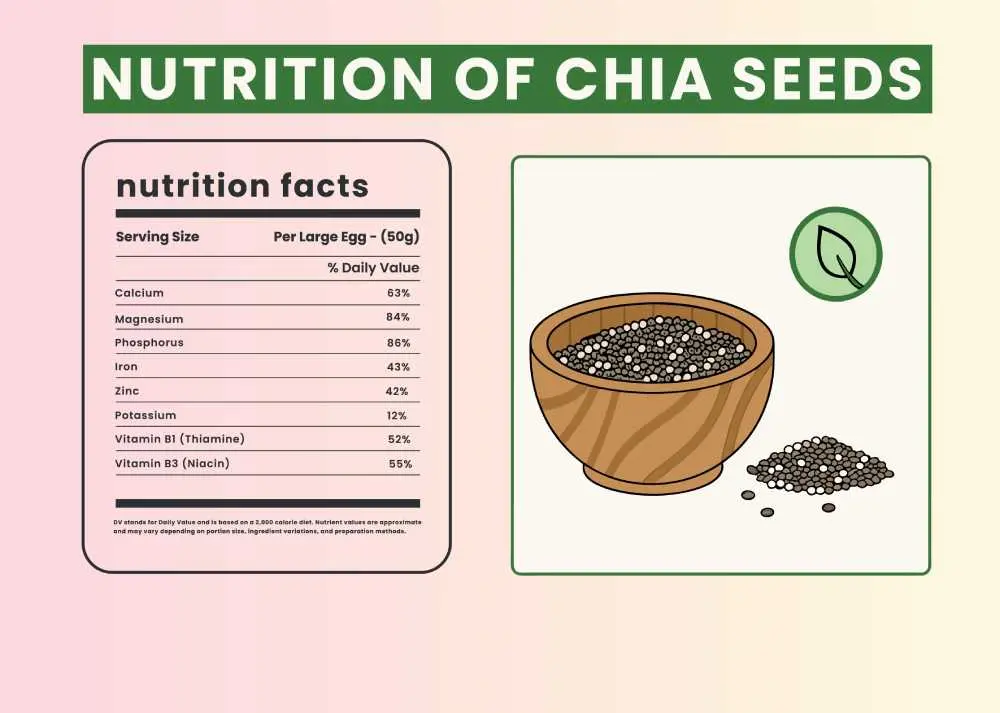
Chia seeds provide a combination of healthy fats, fiber, protein, vitamins, minerals, and antioxidant compounds. They are especially recognized for their high fiber and omega-3 fatty acid content.
Chia seeds contain:
- Fiber
- Plant-based protein
- Omega-3 fatty acids
- Calcium
- Magnesium
- Phosphorus
- Antioxidants
Because they are nutrient-dense, even small portions of chia seeds may contribute important nutrients to a balanced diet.
Clinical Insight: Research on Chia Seeds and Wellness
Research suggests that chia seeds may provide antioxidant, anti-inflammatory, and metabolic-supporting properties due to their fiber, omega-3 fatty acids, and plant compounds. Some studies also explore their potential role in supporting cardiovascular health and satiety.
However, experts emphasize that chia seeds should be considered part of a balanced dietary pattern rather than a standalone solution for disease prevention or treatment.
May Support Digestive Health
One of the most well-known benefits of chia seeds is their fiber content. Fiber plays an important role in digestive wellness and may help support regular bowel movements.
When mixed with liquid, chia seeds absorb water and form a gel-like consistency. This property may help support digestion and feelings of fullness.
Adequate fiber intake may also contribute to:
- Gut health
- Cholesterol balance
- Healthy blood sugar regulation
- Appetite support
Adding fiber-rich foods gradually and drinking enough water may help reduce digestive discomfort.
May Support Heart Health
Chia seeds contain omega-3 fatty acids, fiber, and antioxidants that may help support cardiovascular wellness.
Omega-3 fatty acids are commonly associated with heart health because they may help support normal inflammatory balance and vascular function. Fiber may also help support healthy cholesterol levels as part of a balanced dietary pattern.
Researchers continue to study how nutrient-rich seeds and plant-based foods may contribute to long-term cardiovascular health.
May Help Support Hydration and Fullness
Chia seeds can absorb several times their weight in water, forming a gel-like texture when soaked in liquid. Because of this characteristic, they are sometimes included in hydration-focused or balanced eating routines.
The combination of fiber, healthy fats, and protein may also help support satiety and fullness after meals. Chia pudding and chia drinks are commonly consumed as nutrient-dense snacks or breakfast options.
May Support Bone Health
Chia seeds contain minerals that are important for bone health, including calcium, phosphorus, and magnesium.
Calcium and magnesium play important roles in maintaining normal bone structure and muscle function. Although chia seeds should not replace primary dietary calcium sources, they may contribute to overall mineral intake as part of a balanced diet.
Bone health becomes increasingly important with age, making nutrient-rich foods valuable components of healthy aging diets.
May Support Blood Sugar Balance
Because chia seeds are rich in fiber, they may help slow digestion and carbohydrate absorption when consumed as part of balanced meals.
Some studies continue to explore whether chia seeds may help support blood sugar balance and metabolic wellness. However, experts emphasize that overall dietary patterns remain the most important factor in metabolic health.
Combining chia seeds with protein-rich and fiber-rich foods may help support balanced nutrition.
Chia Seeds vs. Flaxseeds
Chia seeds and flaxseeds are both nutrient-dense seeds commonly included in healthy eating patterns. While they share similarities, there are some differences between them.
Chia Seeds
- Higher water absorption capacity
- Mild flavor
- Convenient for puddings and drinks
- Rich in fiber
Flaxseeds
- Often consumed ground
- Rich in omega-3 fatty acids
- Nutty flavor
- Commonly used in baking
Both options may support balanced nutrition and can be included in a healthy diet.
Are There Any Side Effects of Chia Seeds?
Chia seeds are generally considered safe for most people when consumed in moderation. However, excessive intake may cause digestive discomfort in some individuals.
Possible considerations include:
- Bloating or gas
- Digestive discomfort if consumed excessively
- Difficulty swallowing dry chia seeds without enough liquid
- Excess calorie intake if overeaten
People with digestive sensitivities may benefit from starting with smaller portions.
How Can You Add Chia Seeds to Your Diet?
Chia seeds are versatile and easy to include in meals and snacks.
Popular ways to consume chia seeds include:
- Adding them to smoothies
- Mixing into yogurt or oatmeal
- Preparing chia pudding
- Sprinkling onto salads
- Adding to baked foods
- Combining with water or plant-based milk
Because chia seeds absorb liquid, soaking them before consumption is common in many recipes.
Which department should I visit?
Individuals seeking nutritional guidance related to heart health, digestive wellness, weight management, or balanced dietary planning may consult the Nutrition and Dietetics or Internal Diseases department.
