


 Let Us Call You


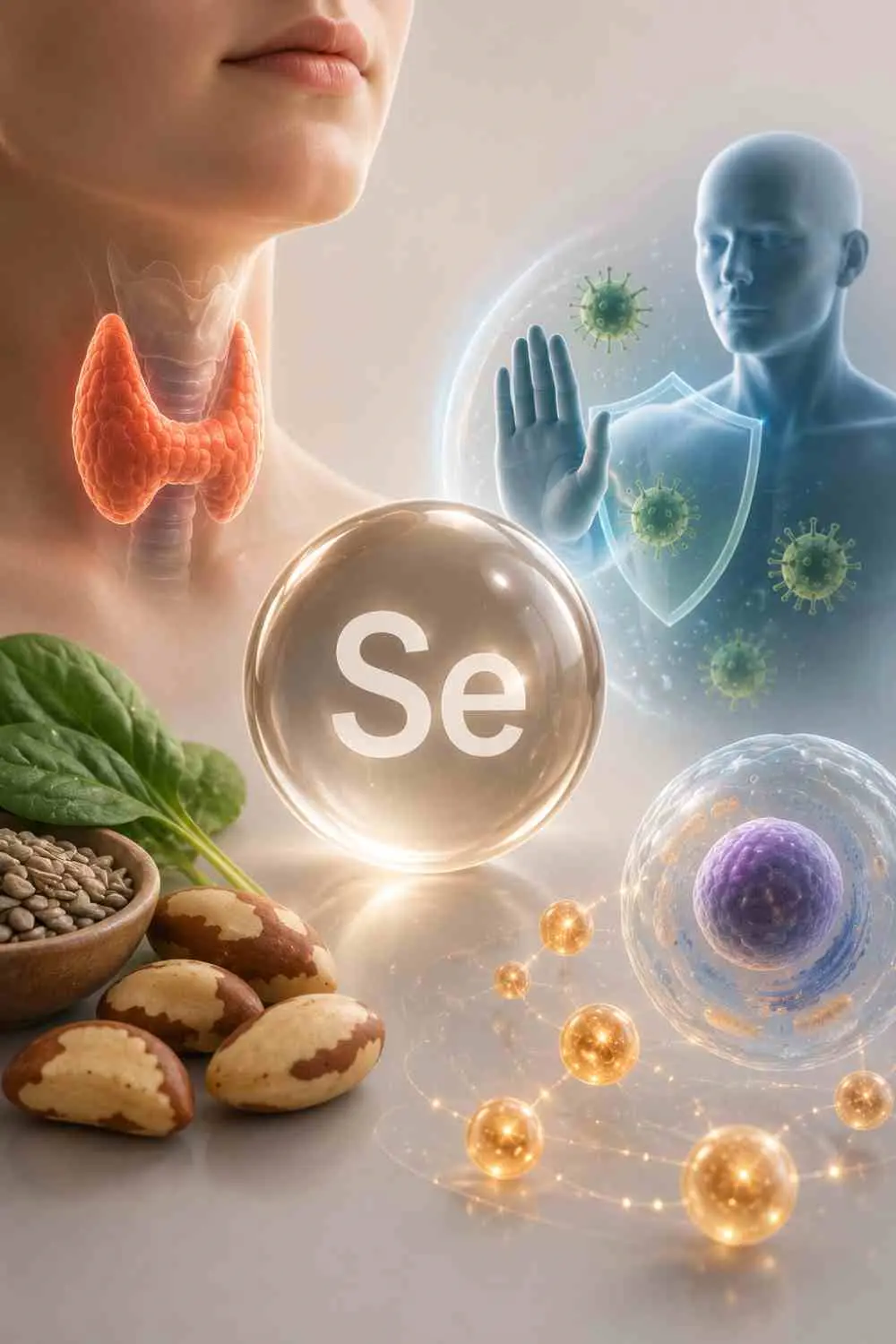
Selenium is an essential trace mineral that the body needs in small amounts to support many important biological functions. It contributes to thyroid function, immune health, reproduction, and protection against oxidative stress.
Because the body cannot produce selenium, it must be obtained through food. Fortunately, many animal-based and plant-based foods naturally contain selenium, making it possible for most people to meet their daily needs through a balanced diet.
Key Takeaways
- Selenium is an essential mineral required for normal body functions.
- It contributes to thyroid function, immune health, and antioxidant defense.
- Brazil nuts, seafood, eggs, meats, and whole grains are among the richest dietary sources.
- Most people can obtain adequate selenium through a balanced diet.
- Both selenium deficiency and excessive intake may affect health.
What is Selenium?
Selenium is a trace mineral found naturally in soil, water, and many foods. Although only small amounts are required, selenium contributes to several important functions throughout the body.
These include:
- Thyroid hormone metabolism
- Immune function
- Reproductive health
- Antioxidant defense
- Cellular health
Selenium also forms part of proteins called selenoproteins, which help support various biological processes.
Why is Selenium Important?
Selenium contributes to normal body function in several ways
It plays a role in:
- Supporting thyroid health
- Maintaining immune function
- Protecting cells from oxidative stress
- Supporting reproductive function
- Contributing to overall wellness
Adequate selenium intake is an important part of a balanced and varied diet.
Foods Rich in Selenium
Brazil Nuts
Brazil nuts are among the richest natural dietary sources of selenium. Because their selenium content can vary considerably, only a small amount may provide a significant portion of daily selenium needs.
Due to their high selenium content, Brazil nuts should be consumed in moderation.
Seafood
Many types of seafood naturally contain selenium.
Examples include:
- Tuna
- Sardines
- Shrimp
- Salmon
- Halibut
Seafood also provides high-quality protein and other essential nutrients.
Eggs
Eggs contain moderate amounts of selenium along with protein, vitamin B12, and other important nutrients. They can easily be incorporated into a balanced dietary pattern.
Poultry and Lean Meats
Animal proteins are reliable dietary sources of selenium.
Examples include:
- Chicken
- Turkey
- Beef
These foods also provide protein, iron, and B vitamins.
Whole Grains
Whole grains contribute small to moderate amounts of selenium, depending on the selenium content of the soil where they are grown.
Examples include:
- Brown rice
- Whole wheat
- Oats
- Barley
Whole grains also provide fiber and other nutrients that support overall health.
Dairy Products
Milk, yogurt, and cheese provide modest amounts of selenium. These foods also contribute calcium and protein to the diet.
Mushrooms
Certain mushrooms naturally contain selenium, although the amount may vary depending on growing conditions. Mushrooms can be included as part of a varied, plant-rich diet.
What Are the Benefits of Selenium?
Selenium supports several important biological functions.
May Support Thyroid Functio
Selenium contributes to the normal metabolism of thyroid hormones. The thyroid contains relatively high concentrations of selenium, making adequate intake important for normal thyroid function.
May Support Immune Function
Selenium contributes to the normal functioning of the immune system. A balanced diet that includes selenium-rich foods helps support overall immune health.
May Provide Antioxidant Protection
Selenium is involved in the body's antioxidant defense system.
It contributes to the function of antioxidant enzymes that help protect cells from oxidative stress.
May Support Reproductive Health
Selenium contributes to normal reproductive function in both men and women as part of overall nutritional health.
May Support Overall Wellness
Because selenium contributes to several body systems, consuming adequate amounts through a balanced diet may support long-term health and well-being.
Can You Get Too Much Selenium?
Although selenium is essential, consuming excessive amounts may lead to unwanted health effects.
High selenium intake is most often associated with supplements or excessive consumption of very selenium-rich foods such as Brazil nuts.
For this reason, selenium supplements should only be used under the guidance of a healthcare professional when appropriate.
Clinical Insight: Why Selenium Balance Matters
Both insufficient and excessive selenium intake can affect normal body function. For most individuals, eating a varied diet that includes selenium-rich foods is sufficient to meet daily requirements. Healthcare professionals generally recommend obtaining selenium from dietary sources whenever possible.
How Can You Add More Selenium to Your Diet?
Simple ways to increase selenium intake include:
- Eating seafood regularly
- Including eggs in balanced meals
- Choosing whole grains
- Incorporating lean meats into your diet
- Eating Brazil nuts occasionally and in moderation
- Including dairy products as part of a balanced eating plan
A varied diet helps provide selenium alongside other important vitamins and minerals.
Which department should Ivisit?
Individuals seeking nutritional guidance related to mineral intake, thyroid health, or balanced dietary planning may consult the Nutrition and Dietetics or Internal Diseases department.