


 Let Us Call You


Hair loss can have many causes, including genetics, hormonal changes, stress, illness, medications, and nutritional deficiencies. While some hair shedding is a normal part of the hair growth cycle, noticeable thinning or sudden hair loss may require medical evaluation.
The pattern, timing, and amount of hair loss can provide important clues about its underlying cause. Treatment varies depending on the type of hair loss and the factors contributing to it.
Key Takeaways
- Losing around 50 to 100 hairs a day can be part of normal hair shedding.
- Hair loss may be related to genetics, hormonal changes, illness, stress, weight loss, nutritional deficiencies, medications, or repeated tension on the hair.
- Hair loss can appear as gradual thinning, patchy bald spots, sudden shedding, or more extensive hair loss.
- Sudden, patchy, or persistent hair loss should be evaluated by a healthcare professional.
- Treatment depends on the underlying cause and may include medication, injections, or hair restoration procedures in selected cases.
What Is Normal Hair Shedding?
It is normal to lose some hair every day as part of the natural hair growth cycle. Around 50 to 100 hairs may be shed each day without causing noticeable thinning.
Hair loss becomes more noticeable when new hair does not adequately replace the hair that has been shed, resulting in reduced hair density or bald areas.
What Causes Hair Loss?
Hair loss can develop for many different reasons. Identifying changes in health, hormones, stress levels, nutrition, medications, or hair-care habits can help determine the possible cause.
Genetics and Hereditary Hair Loss
Genetics are one of the most common causes of hair loss. Male-pattern and female-pattern hair loss usually develop gradually and tend to follow recognizable patterns.
In men, hair loss may begin with a receding hairline or thinning at the top of the scalp. In women, thinning is often more noticeable around the part and the top of the scalp.
Hormonal Changes and Medical Conditions
Hormonal changes related to pregnancy, childbirth, menopause, or thyroid problems can contribute to hair loss. Certain medical conditions, including alopecia areata and some scalp infections, can also affect hair growth.
Stress, Illness, and Weight Loss
Significant physical or emotional stress can trigger temporary increased hair shedding. Illness, major weight loss, and other physical changes may also contribute to noticeable hair loss.
Iron Deficiency and Poor Nutrition
Iron deficiency and inadequate nutrition may contribute to temporary hair loss. A balanced diet provides nutrients needed to support normal hair growth and overall health.
Medications and Medical Treatments
Some medications can cause hair loss as a side effect. Certain cancer treatments and other medicines may lead to temporary or more extensive hair shedding.
Tight Hairstyles and Hair Treatments
Repeated pulling or tension on the hair can cause traction alopecia. Tight ponytails, braids, and similar hairstyles may contribute to hair loss over time.
Frequent use of excessive heat or harsh chemical treatments can also damage the hair and may contribute to breakage and thinning.
What Does Hair Loss Look Like?
Hair loss does not always appear in the same way. The pattern and speed of hair loss can vary depending on the underlying cause.
Gradual Hair Thinning
Gradual thinning is a common pattern of hair loss. It may appear as a receding hairline, a widening hair part, or reduced hair density on the top of the scalp.
Patchy Hair Loss
Some conditions can cause sudden, round, or irregular patches of hair loss. Alopecia areata, for example, may cause distinct bald patches on the scalp or other areas of the body.
Sudden Hair Shedding
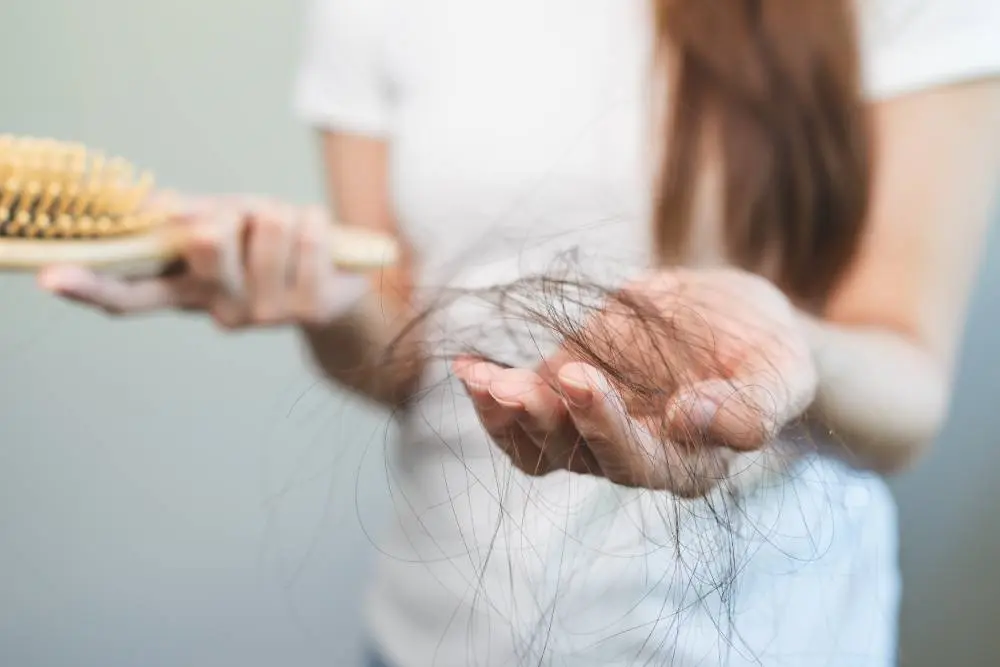
Hair may begin falling out more quickly following significant physical or emotional stress, illness, or other changes in the body. Increased shedding may be noticed during washing, brushing, or styling.
More Extensive Hair Loss
Some medical conditions and treatments can cause hair loss across larger areas of the scalp or body. In some cases, hair may grow back after the underlying cause is addressed.
Scalp Scaling and Broken Hair
Hair loss accompanied by scalp scaling, redness, swelling, or broken hairs may be associated with certain scalp conditions and should be assessed by a healthcare professional.
When Should You See a Doctor for Hair Loss?
Hair loss should be evaluated when it is sudden, patchy, persistent, or significantly greater than usual. In some cases, hair loss may be linked to an underlying medical condition that needs attention.
Medical evaluation can also be helpful when hair loss is accompanied by changes in the scalp or other symptoms, or when the amount of shedding is causing concern.
How Is Hair Loss Diagnosed?
A healthcare professional may assess the pattern and extent of hair loss and ask about family history, recent illness, stress, weight changes, nutrition, medications, and hair-care practices.
The scalp and hair are examined for signs that may help identify the cause. Additional tests may be considered depending on the symptoms and suspected underlying condition.
How Is Hair Loss Treated?
Treatment depends on the type and cause of hair loss. Some temporary forms may improve as the underlying cause resolves, while other types may require longer-term treatment.
Medication
Minoxidil may be used for certain types of hair loss. Finasteride is another medication used for male-pattern hair loss. These treatments are not suitable for everyone and should be used according to medical advice.
Treatment for Patchy Hair Loss
Depending on the cause, treatment for patchy hair loss may include corticosteroid injections, topical corticosteroids, or other therapies recommended by a healthcare professional.
Hair Transplantation
Hair transplantation may be considered for some people with permanent hair loss. The procedure involves moving hair follicles from an area with sufficient hair growth to areas affected by thinning or baldness.
Can Hair Loss Be Prevented?
Not all forms of hair loss can be prevented, particularly those related to genetics. However, some types of hair damage and traction-related hair loss may be reduced by taking better care of the hair.
- Avoid hairstyles that pull tightly on the hair.
- Be gentle when brushing or combing, especially when the hair is wet.
- Limit excessive heat styling and harsh chemical treatments.
- Maintain a balanced diet and address nutritional deficiencies with medical guidance.
- Discuss possible hair-related side effects with your doctor when starting a new medication.
Clinical Insight
Hair loss is a symptom that can have many different causes, so identifying the underlying reason is an important part of evaluation. Genetics, hormonal changes, illness, stress, nutritional deficiencies, medications, and repeated tension on the hair can all contribute to different patterns of hair loss. A dermatologist can assess the scalp and hair pattern and determine whether further evaluation or treatment may be appropriate.
Which Department Should I Visit for Hair Loss?
For persistent, sudden, or patchy hair loss, the Dermatology department is generally the appropriate starting point. A dermatologist can evaluate the scalp and hair loss pattern, investigate possible causes, and discuss suitable treatment options.
References
- Mayo Clinic — https://www.mayoclinic.org/
- NHS — https://www.nhs.uk/